Blog
Intel Turns Scrap Dies Into Usable CPUs as Demand Keeps Rising

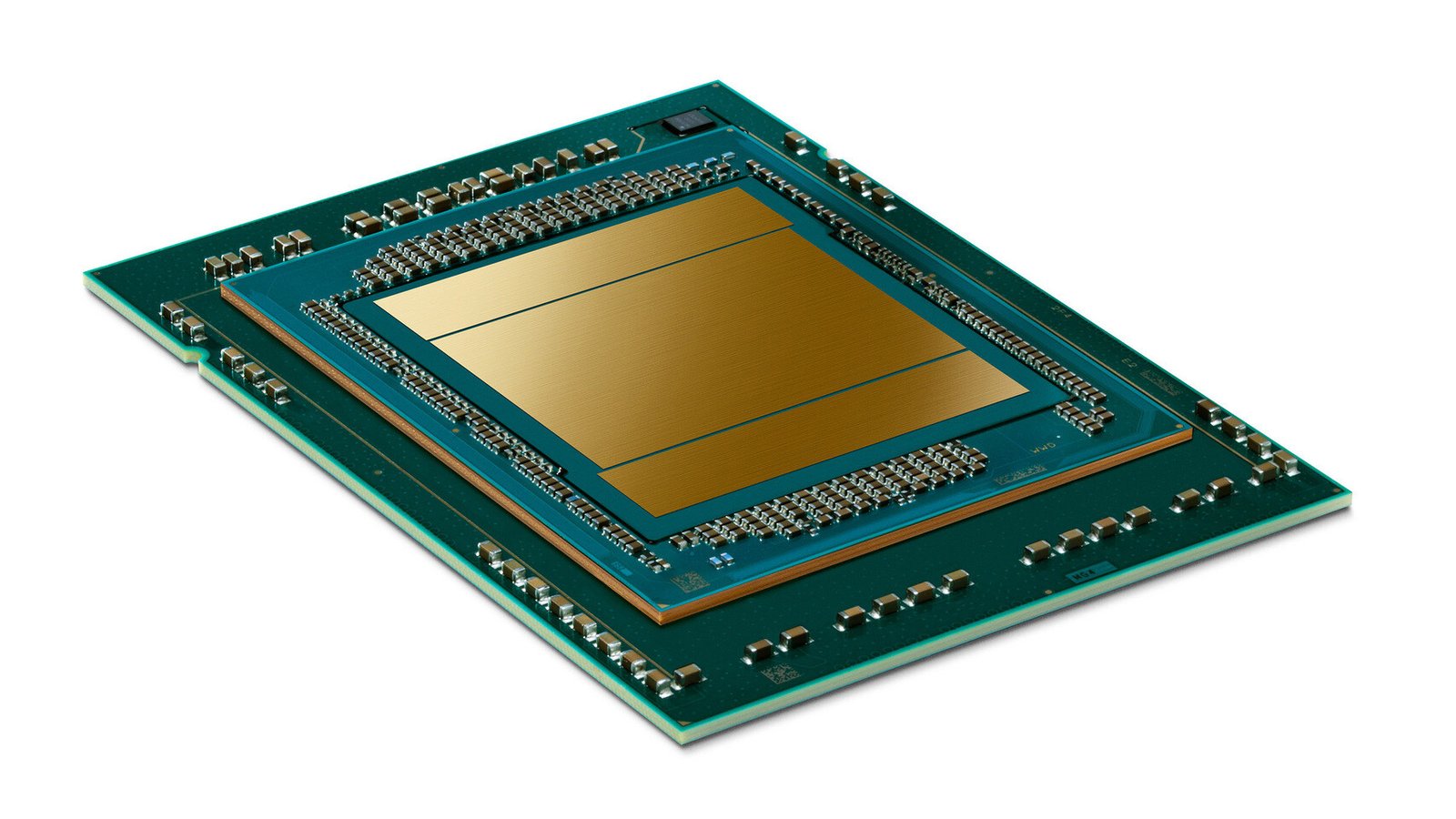
For example, when Intel produces a Xeon 6 “Granite Rapids” CPU on the Intel 3 node, the CPU compute die can accommodate up to 44 cores per die, but some are disabled for yield and power reasons. When the yield fails, these compute dies are repurposed into SKUs with lower core counts, as it costs Intel money to manufacture the die, and wasting it would be a significant loss of resources. However, when the die doesn’t achieve satisfactory yield on the Intel 3 production line, the company would usually discard it if it can’t extract a reasonable number of working cores. Amidst one of the highest-ever recorded CPU shortages, Intel is doing the opposite. The company is using these defective or scrap dies and packaging them into lower-class SKUs to sell to its customers, as any CPU availability is crucial, and customers are eagerly purchasing them. Imagine a wafer edge, which is round, having only a few working P-Cores, and that being packaged into a CPU that a hyperscaler would integrate into their offering.

We have already reported on Intel Foundry achieving better yields across Intel 4, Intel 3, and 18A nodes, which power the majority of Intel’s product portfolio. This improvement has significantly boosted Intel’s operations, with Intel Foundry seeing an increase of $72 million quarter-over-quarter as better yields across these nodes drove higher gross margins.