Blog
Intel Foundry Improves Yields Across Intel 4, Intel 3, and 18A Nodes

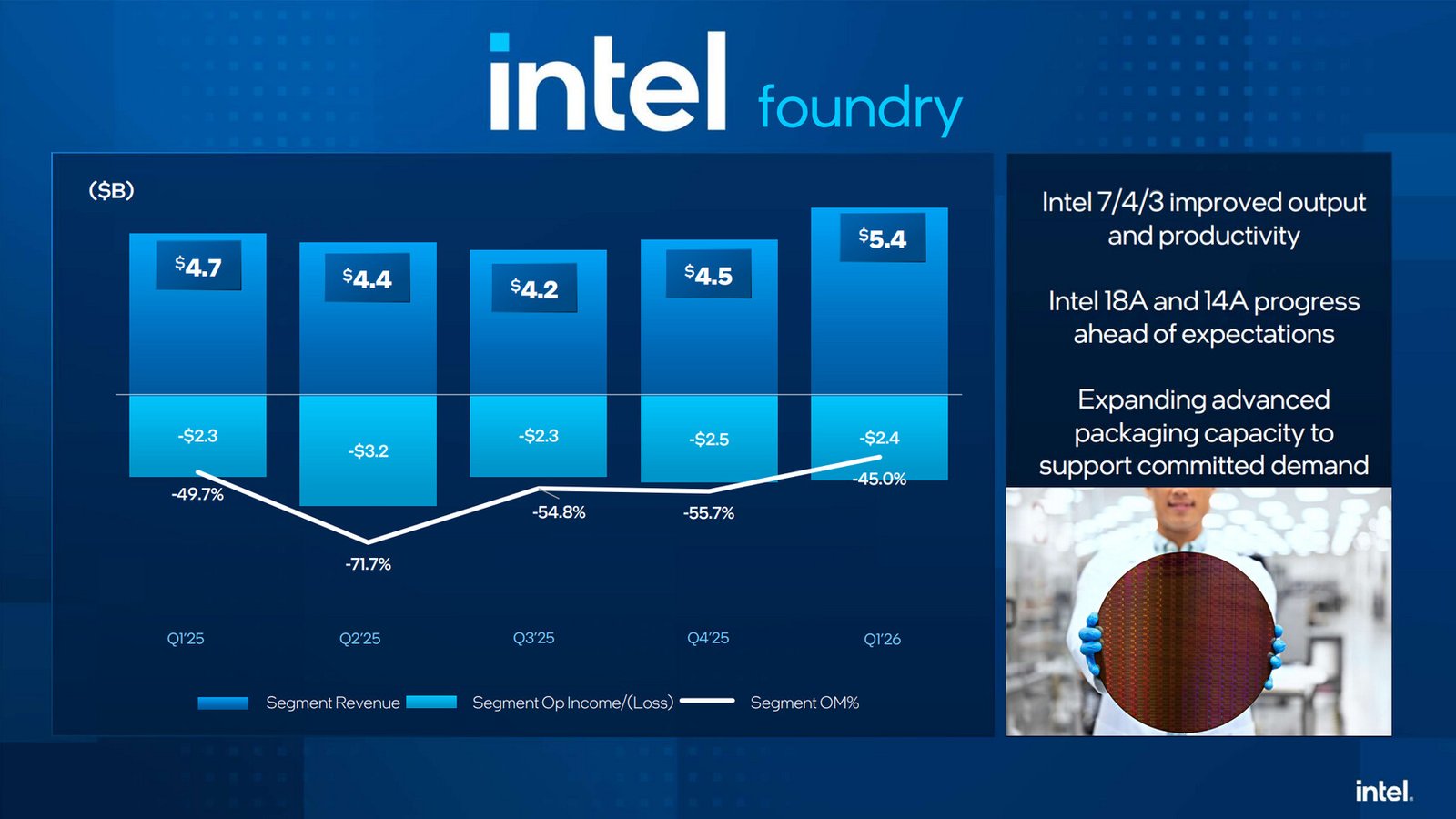
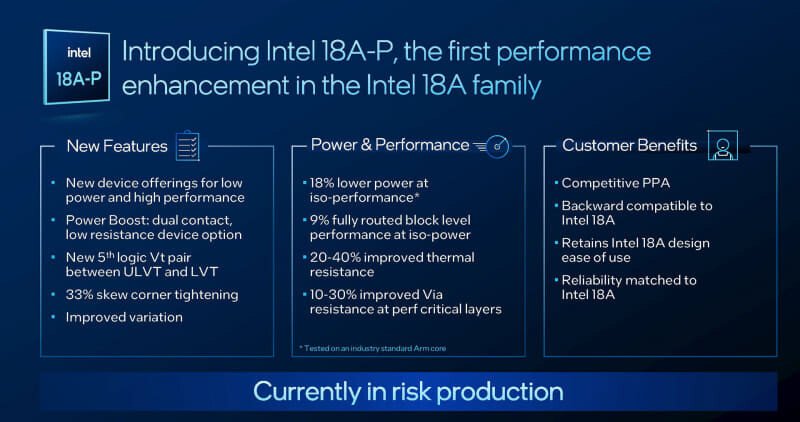
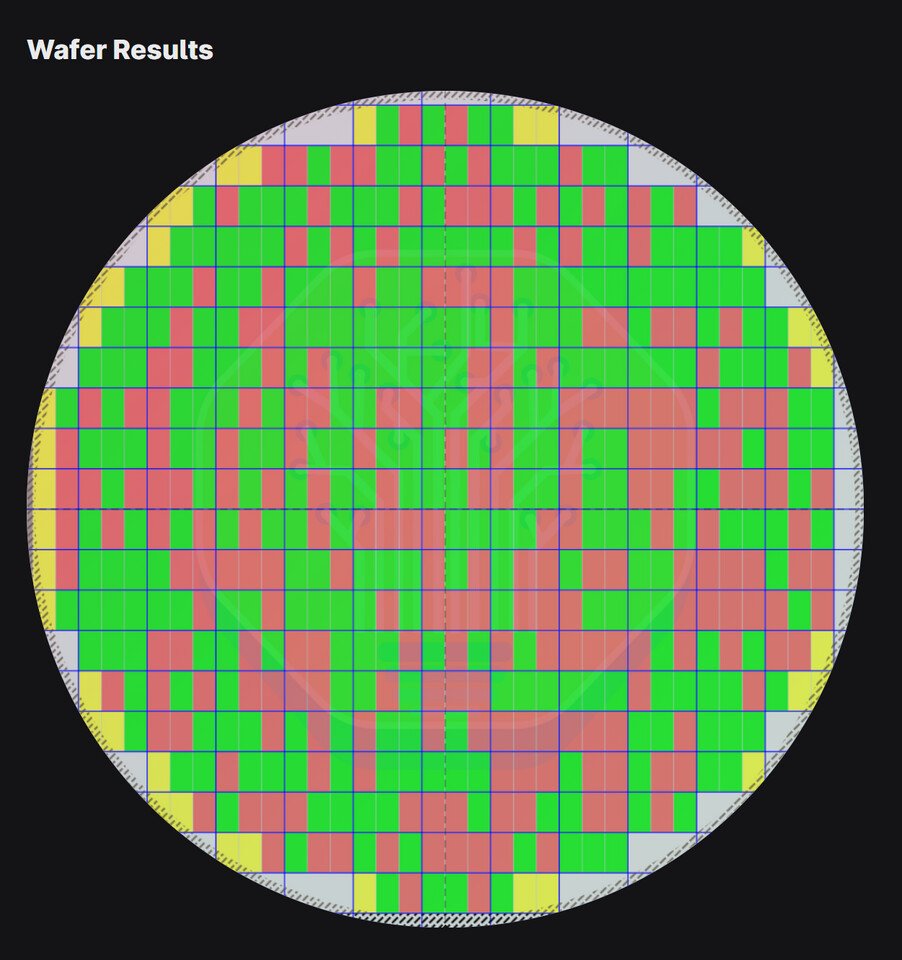
David Zinsner, Intel CFOIntel Foundry operating loss in Q1 was $2.4 billion, improved $72 million quarter-over-quarter as better yields across Intel 4, Intel 3, and 18A drove higher gross margins. This was mostly offset by increased operating expenses associated with an intentional step-up in Intel 14A investments to support both internal and external customer evaluations. As a reminder, Intel Foundry carries the bulk of the cost associated with the early ramp of Intel 18A, and we expect Intel Foundry’s operating loss to improve through the year as 18A continues to ramp into volume and yields improve further. Within the quarter, Intel Foundry delivered output above our expectations, drove steady improvements in yields, and met key 14A milestones.
Intel’s foundry revival is finally going according to plan, and yield improvements are just one part of this process. Intel has secured Elon Musk’s Tesla as the first major customer for its 14A node, although details are still lacking. Other areas for improvement include updating the process design kits (PDKs) for the 18A and 14A nodes, which the company is actively working on. For instance, the 14A node is currently at the 0.5 PDK stage, and customers will finalize volume, design, and other requirements when the PDK 0.9 is released. Therefore, Intel still has time for refinement and is collaborating with customers, incorporating their feedback into the node’s design.