Blog
Intel Stock Surges to All-Time High on Foundry Revival and Strong CPU Demand

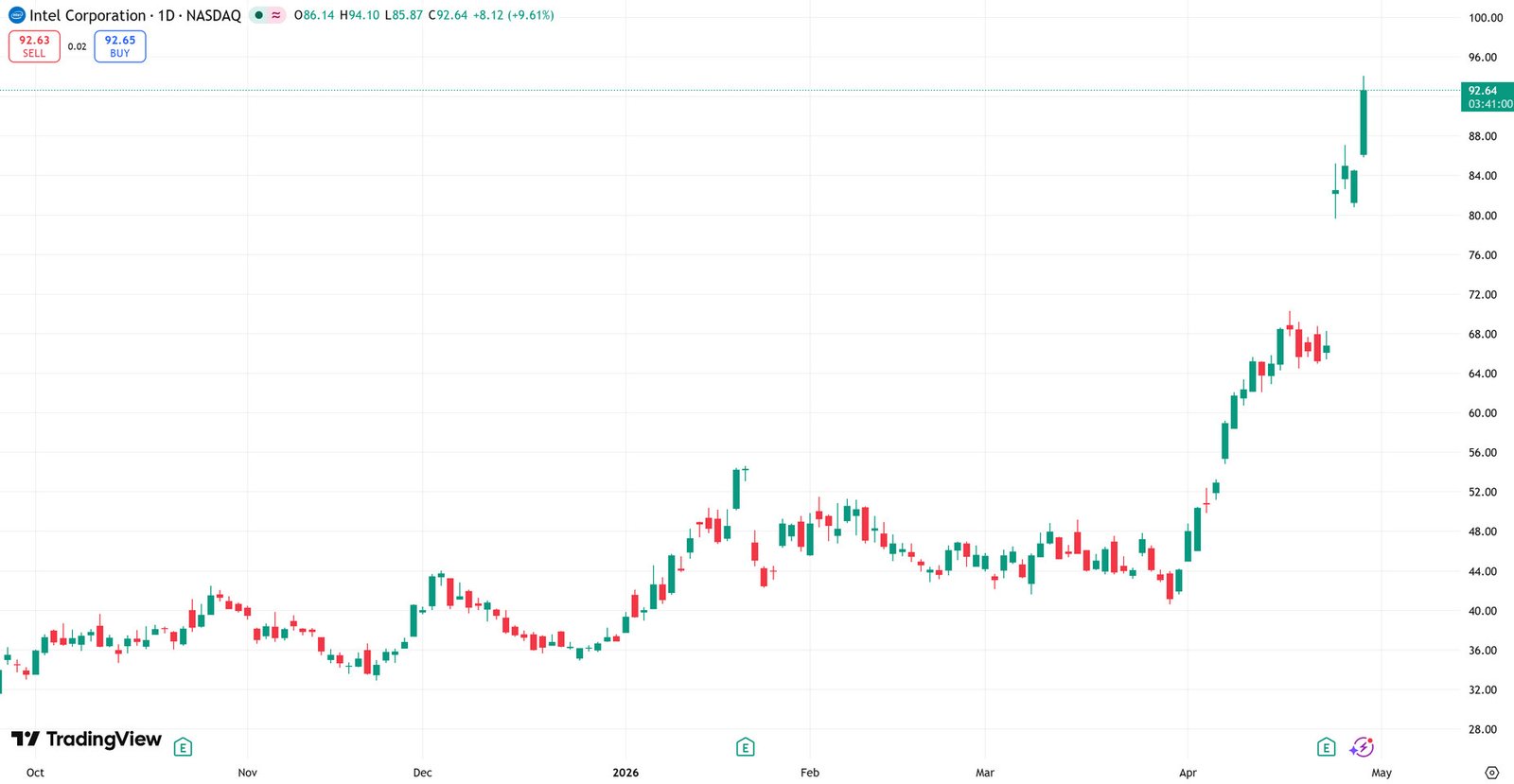
Contributing to this success is the revival of Intel’s Foundry business, which is on track to attract many external customers. Intel Foundry recently achieved a significant milestone by improving yields across all major foundry nodes currently in high-volume manufacturing. This includes the Intel 4, Intel 3, and 18A nodes, which power the majority of Intel’s product portfolio. In the latest Q1 2026 earnings call, Intel CFO David Zinsner noted that the company continues to improve yields on its older nodes, such as Intel 4 and Intel 3, while refining the yield of the current top-performing 18A node to reduce waste and increase the number of functional chips, even in larger dies. Additionally, Tesla signed on as Intel’s first major 14A customer for Elon Musk’s Terafab AI chip complex in Austin, indicating that the foundry’s success in attracting external clients is just beginning.
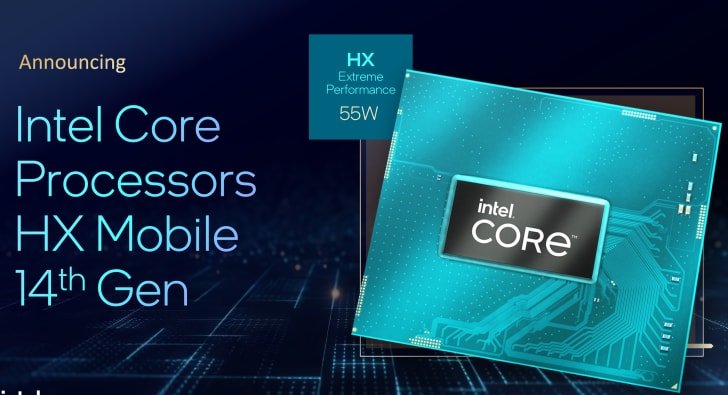
Finally, Intel’s product execution is impressive, as the company is experiencing such high demand for its CPUs that it is selling silicon that would otherwise be discarded. For example, Intel is repurposing some of the dies found on the very edge of the silicon wafer, which would have otherwise become scrap, into products that customers are eager to buy. This strategy allows even some SKUs, which may have been flawed due to factors like silicon node yield, to find new life through repurposing.