Blog
TSMC to increase 2nm and A16 capacity by 70% CAGR 2026-28

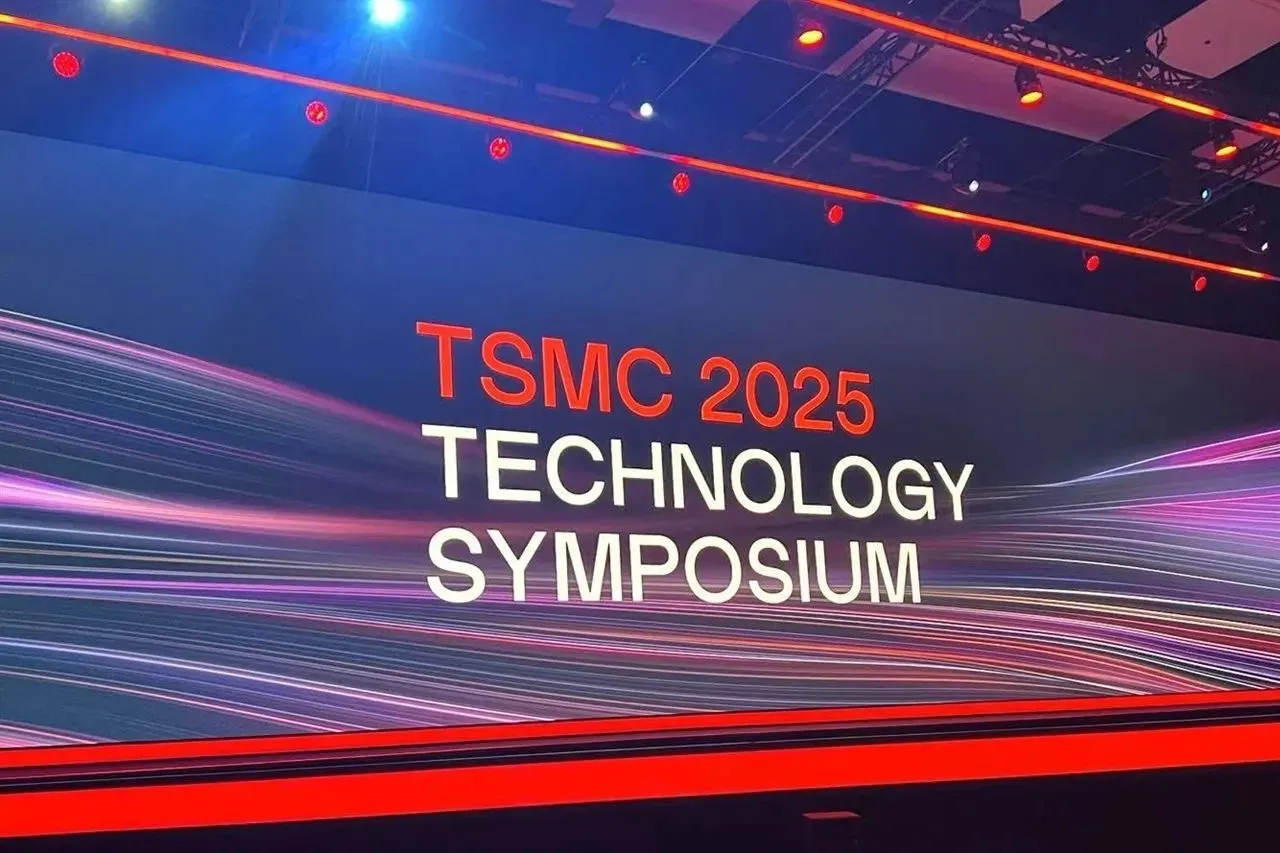
It said capacity increases for 2nm and A16 wafers will grow at a 70% CAGR from 2026 to 2028, and that CoWoS capacity will grow at more than 80% CAGR from 2022 to 2027.
The company also plans to build nine fabs and packaging plants in 2026.
In Arizona, one fab is in production, a second installing tools in 2H26 and construction of a third fab underway. Work on a fourth fab and a packaging facility is expected to begin this year.
Arizona output is expected to increase 1.8x YoY in 2026, with yields comparable to Taiwan.
In Japan the first fab is currently in volume production for 22nm and 28nn products. Plans for the second fab have been upgraded to 3nm in response to strong demand.
In Germany the fab is currently under construction and progressing as scheduled. It plans to provide 28nm and 22nm technologies, followed by 16nm and 12nm technologies.
TSMC’s SoIC 3D stacking technology has 56x higher interconnect density and five times better energy efficiency compared with 2015 CoWoS.
SoIC is in mass production, while the 6-micron bonding pitch version is set for 2025.
N2-generation SoIC will support 6-micron stacking in 2028, while the A14 generation is expected to support 4.5-micron.
TSMC’s COUPE (Compact Universal Photonic Engine) technology delivered a 200Gbps Micro Ring Modulator this year. The technology delivers 4x higher energy efficiency and 10x lower latency than copper interconnects.
TSMC’s 5.5-reticle-size CoWoS version has 98% yields. The report adds that TSMC is planning a 14-reticle-size version capable of integrating 20 HBM stacks in 2028, and aclarger reticle size will support 24 HBM stacks in 2029.
System on Wafer (SoW) technology can integrate up to 64 HBM stacks and 16 CoWoS modules at sizes exceeding 40 reticles. SoWP entered mass production in 2024, while HBM-integrated SoWX is targeted for 2029.