Blog
Samsung Readies PCIe 5.0 QLC SSD with a Custom RISC-V Controller

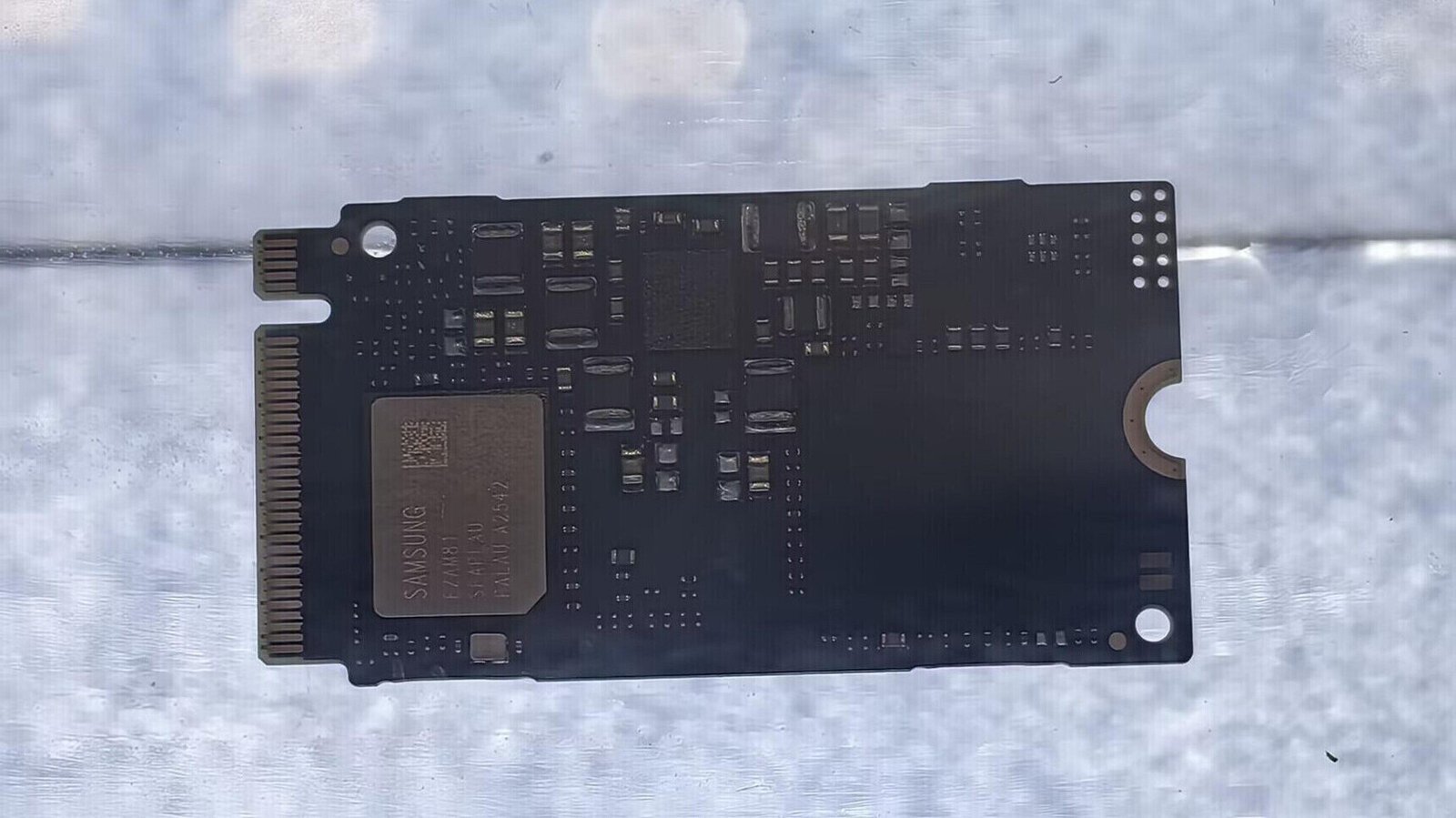
Interestingly, Samsung has designed this SSD with considerations for size, power, and AI. For instance, the BM9K1 PCIe 5.0 SSD replaces the previous BM9C1 PCIe 4.0 SSD controller. Although both use QLC NAND, the newer BM9K1 features a new RISC-V controller and a fresh PCIe 5.0 interface, doubling the performance in sequential reads on average. The power efficiency of the new RISC-V design is also improved. Samsung claims a 23% increase in power efficiency, thanks to the flexibility of RISC-V, which allows for greater customization and optimization of the controller firmware to match I/O patterns with the QLC NAND, resulting in nearly a quarter less power consumption. This improvement is expected to have a significant impact on small form factor PCs and client laptops. The main drawback of the design is the use of QLC NAND, but Samsung may introduce TLC NAND SSDs with RISC-V controllers in the future. For now, these remain on the 5 nm Presto Arm-powered controllers.
Samsung is targeting a 2027 launch for this SSD, offering capacities of 512 GB, 1 TB, and 2 TB. Pricing and exact availability are not yet known, but more information is expected throughout the year. Other specifications, such as write speeds and endurance, are still unknown.