Blog
Earth Day 2026: How E-Waste Recycling and Renewable Energy are Reshaping Sustainability

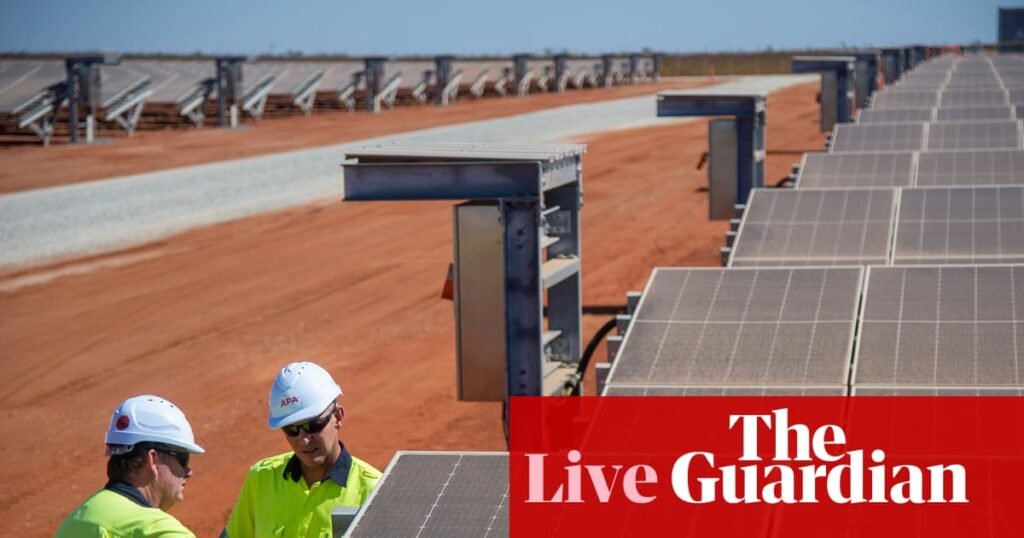
Deploying them on commercial buildings, rooftops, and utility-scale sites in the future will make a huge difference in producing more power. We’re expecting to see an additional 43.4 GW of utility-scale solar capacity installed in 2026.
Solar-plus-storage is a leading clean energy model, combining solar power with batteries to balance supply and meet demand at nighttime. Texas is expected to deploy 621 MW of solar and storage capacity at Lunis Creek BESS and 600 MW at Clear Fork Creek. Bellefield 1 in California installed 1 GW of solar-plus-storage, with 500 MW of solar and 500 MW of four-hour battery storage.
Wind is a big part of the clean energy shift. America projects to install 11.8 GW of wind capacity across Texas, New Mexico, Illinois, Wyoming, and offshore markets. From 2026 to 2029, the U.S. will deploy 46 GW of wind capacity.
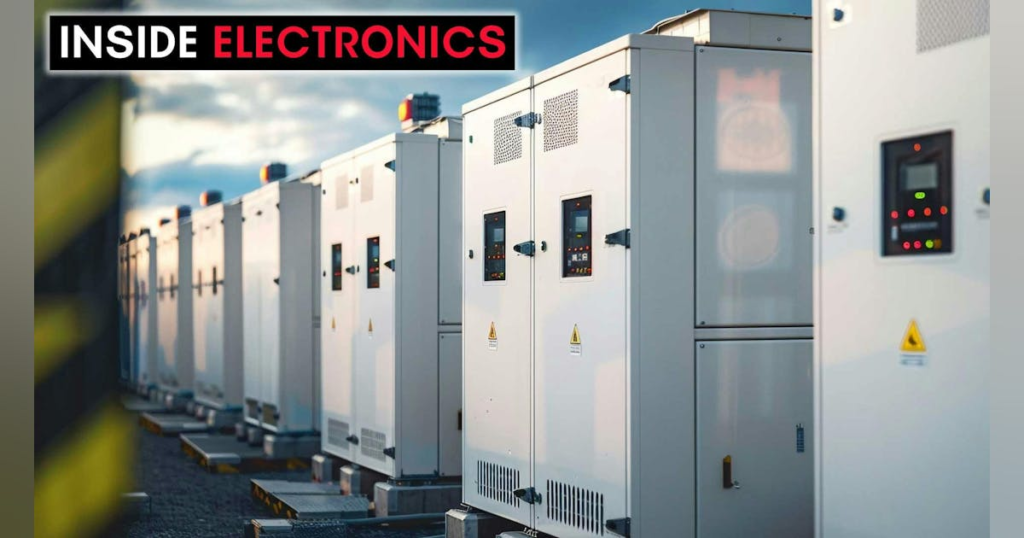
Battery storage is quickly expanding. This year, the Energy Information Administration says that 24.3 GW of battery storage capacity will come online. Utilities can use it to store excess power from solar and wind while reducing congestion. The technology helps keep power flowing even as renewable-energy production slows down.
Bezos Earth Fund
In 2020, Jeff Bezos pledged $10 billion toward climate and nature projects through the Bezos Earth Fund. At the time, this was the largest philanthropic commitment. After five years, the money’s been going out, but gradually.
So far, it has distributed about $2.3 billion, leaving a significant amount, $7 billion, to be spent before the 2030 cutoff. Where it ends up has changed a bit. Earlier, it was meant for climate science and nature-based solutions. But now? It’s landing in food systems and new tech like AI tools for environmental research and nuclear energy.
With its 2030 deadline approaching, Lauren Sanchez Bezos serves as the vice chair to determine how the rest of the funds should be distributed. She announced $37.5 million in grants in September 2025 for major ocean conservation projects throughout 12 Pacific Island nations.
Alongside that, she revealed $30 million in Phase II awards as part of the fund’s AI Grand Challenge for Climate and Nature, which contributes up to $100 million to AI-powered climate solutions. The fund is focused on scaling climate solutions at scale before the deadline.
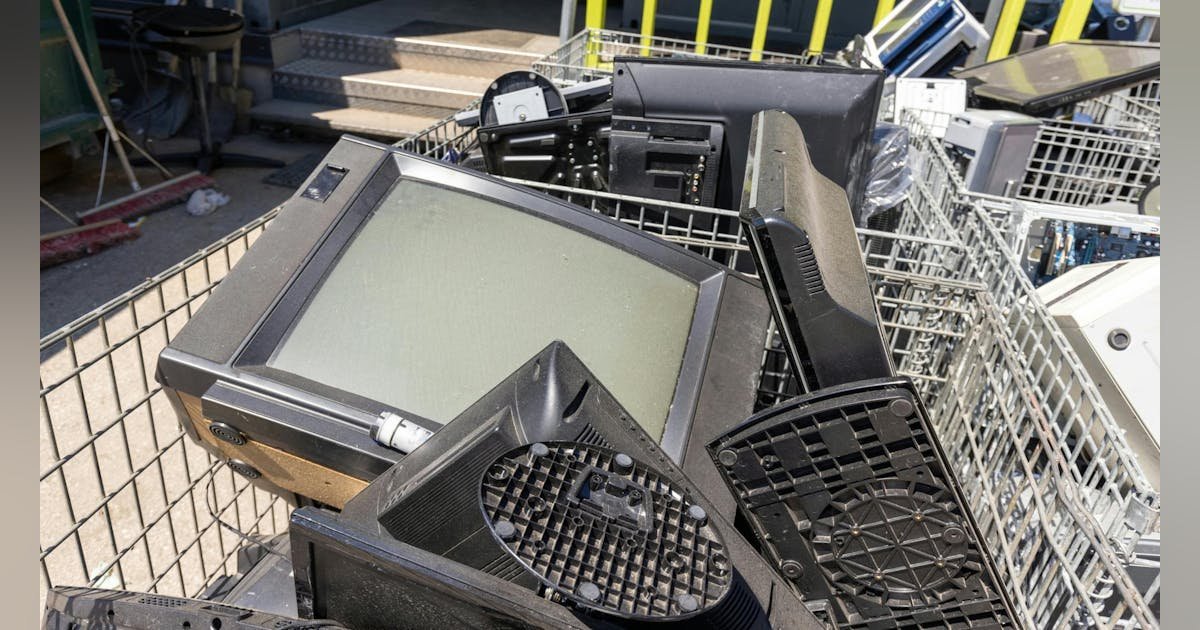
As for myself, I have several huge boxes full of electronics and cables to recycle. Plus, I started a nonprofit called “Dev Boards Without Borders” in an effort for us engineers to place our surplus where it can do the most good. More on my efforts later.
What are you doing to help the ol’ planet?
Let us know in the comments below.