Blog
Raman Spectrometer mission features ispace and Leicester Uni

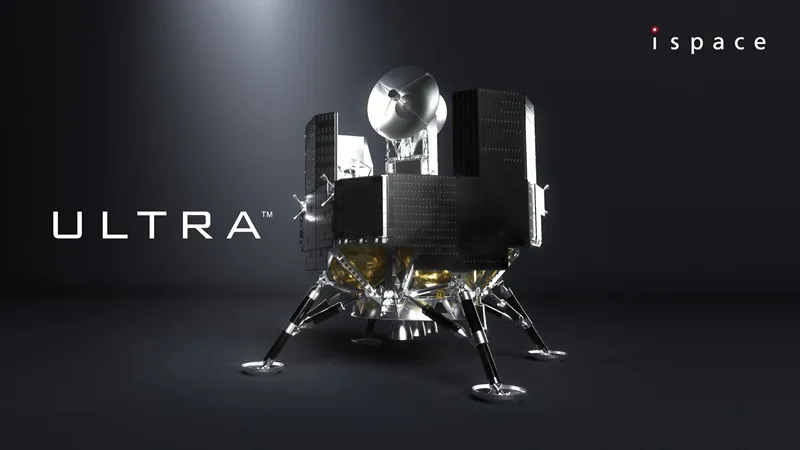
Raman spectrometer
The aim is to analyse lunar regolith, to identify molecular compositions and possible resources. For example, high value minerals and water ice that could support future human exploration.
A Raman spectrometer characterises materials by analysing how they scatter laser light, to determine a chemical fingerprint.
The instrument is actually adapted from the laser-based spectrometer originally developed for the ExoMars mission. It is being delivered by the University of Leicester alongside INTA (Madrid), the University of Aberdeen, RAL Space and the University of Valladolid.
“We are pleased to expand our collaboration with the University of Leicester through this Payload Service Agreement,” said the founder & CEO of ispace, Takeshi Hakamada.
“By combining the University of Leicester’s expertise in Raman spectroscopy with ispace’s lunar transportation and surface mobility capabilities, we are helping lay the groundwork for future missions focused on understanding and utilising lunar resources.”
UK Space Agency
Funding is via the UK Space Agency’s Science and Exploration Bilateral Fund.
“This agreement between ispace and the University of Leicester is a brilliant example of what UK space science can achieve when world-class academic expertise meets commercial ambition and I’m delighted to see it deepening our cooperation with Japan,” said UK Space Minister Liz Lloyd.
“By analysing the composition of the lunar surface – identifying resources like high value minerals, volatiles and water ice – this mission will lay the groundwork for sustainable lunar exploration, opening up economic opportunities and strengthening the UK’s role in this emerging market.”
Micro-rover
Back in August 2024, ispace EUROPE completed the assembly of a flight model of a small lunar rover. This was described as Europe’s first lunar micro-rover.
It was designed and manufactured in-house in Luxembourg, and then transported to Japan. There, it was installed on the “HAKUTO-R” Mission 2 RESILIENCE Lander, a lunar lander.
Image: ispace
See also: Leicester University, ispace work on lunar night survival technology