Blog
Microsoft’s Internal Initiative to Fix Windows 11: Don’t Rush Features Out the Door

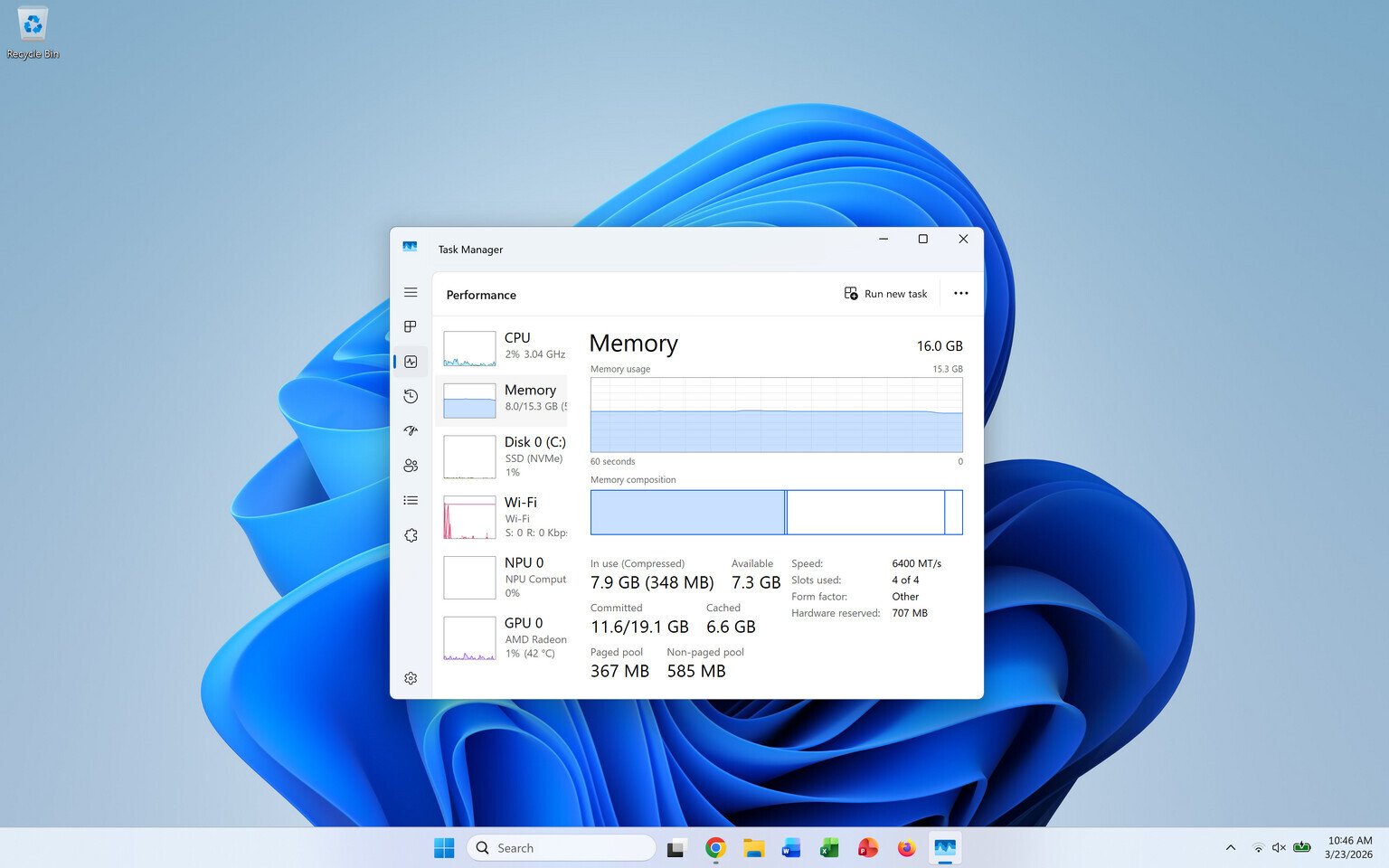
According to inside sources, Windows K2 is based on three core tenets: performance, craft, and reliability, and it will effectively serve as a reboot for the user experience and the development standard operating procedures. Going forward, Microsoft will be using Insider feedback, user telemetry analytics, and customer focus groups to ensure that Windows 11 is performant, thoughtfully designed, and stable. The biggest shift, however, is away from a focus on agility, which used to be a top priority for Windows development, to an emphasis on quality. Effectively, this means users may see fewer updates and fewer features in those updates, but also fewer bugs. One of the other main driving forces behind K2 is chasing the performance of SteamOS, and the K2 team believes that “foundational changes” that are being made to Windows in the coming months will be able to put Windows on par with SteamOS within the next year or two. File explorer is another major focal point where Windows K2 seeks to improve navigation, search, and file processing performance.
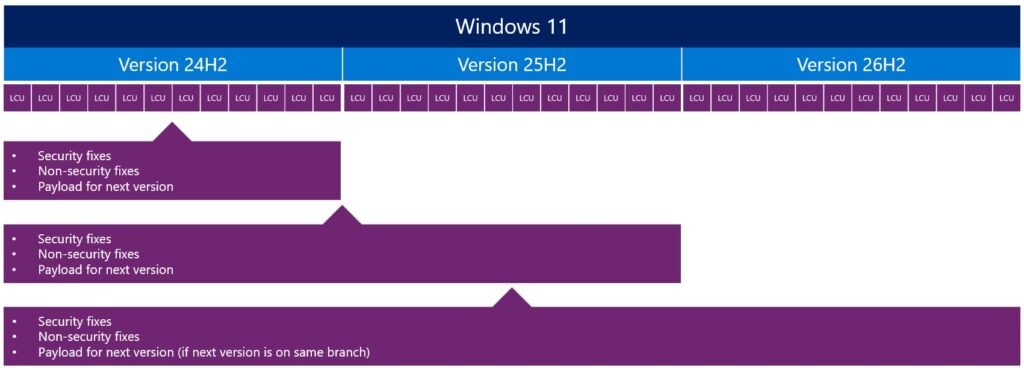
Microsoft also wants to improve Windows Update so that Windows 11 is reliable enough to only need to be restarted once a month. One of the goals is also to make Windows Update more seamless, and idle memory and system resource usage will also be addressed. The team also plans to address common complaints about bloat and responsiveness, with the WinUI 3 System Compositor being a core part of the development efforts in that regard. Based on current work, the Start menu should launch 60% faster under the new compositor. How this all plays out remains to be seen, but there is currently no set end-date for the project; instead, Microsoft is planning to keep the initiative around long-term to steer the development of Windows.