Blog
Edge AI systems using AMD’s EPYC 4005 processors| Electronics Weekly

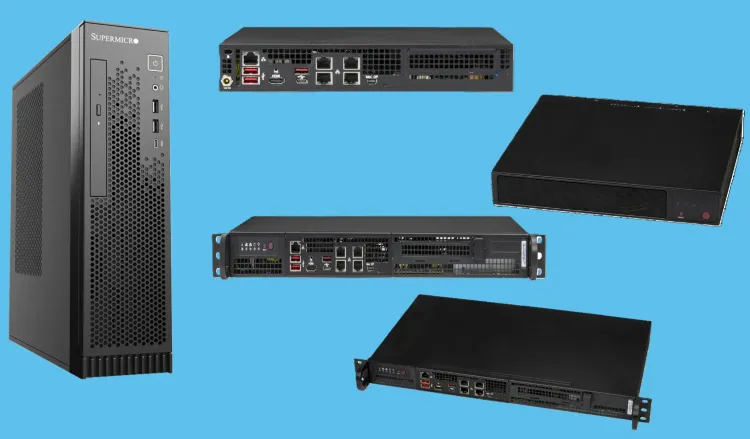
Described as edge-optimised systems, they are designed for AI inferencing and general-purpose workloads in space and power-constrained environments. For example, in retail, manufacturing, healthcare, and enterprise branch locations.
Edge AI
“With our new AMD EPYC 4005 processor-based platforms, including compact box, short-depth 1U, and slim tower system form factors, customers can deploy AI accelerator cards and dedicated workloads at the edge with improved performance, enhanced security, and reduced power consumption, while lowering total cost of ownership (TCO),” said Mory Lin, Supermicro’s vp of IoT/Embedded & Edge Computing.
Security features highlighted by Supermicro include TPM 2.0 and AMD SEV, combined with (IPMI 2.0) remote management.
Portfolio
Supermicro’s AMD EPYC 4005 series portfolio includes:
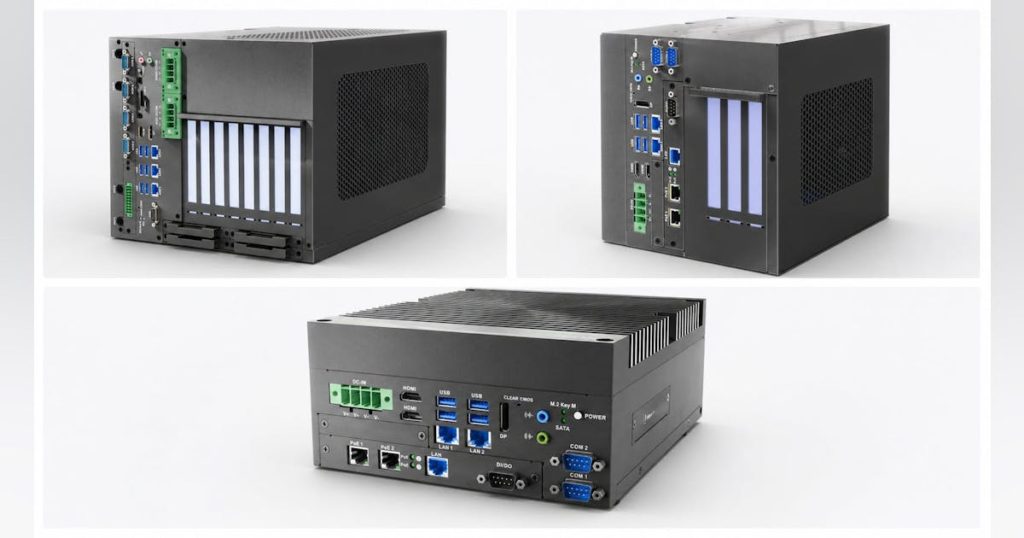
AS-E300-14GR: A compact mini-1U box system supporting up to 16 cores and 192GB of DDR5 memory. It is aimed at embedded and space-constrained deployments such as point-of-sale with HDMI and MiniDisplay ports
AS-1116R-FN4: A short-depth 1U rackmount system with expanded storage. This is for branch offices and retail back-end consolidation
AS-3015TR-i4: A slim tower system offering flexibility for edge deployments. For example, those requiring quiet operation and easy installation for integrating one dual-slot GPU card (2.7″ H x 6.6″ L), such as NVIDIA RTX PRO 2000 Blackwell GPU in a 9L chassis.
EPYC 4005
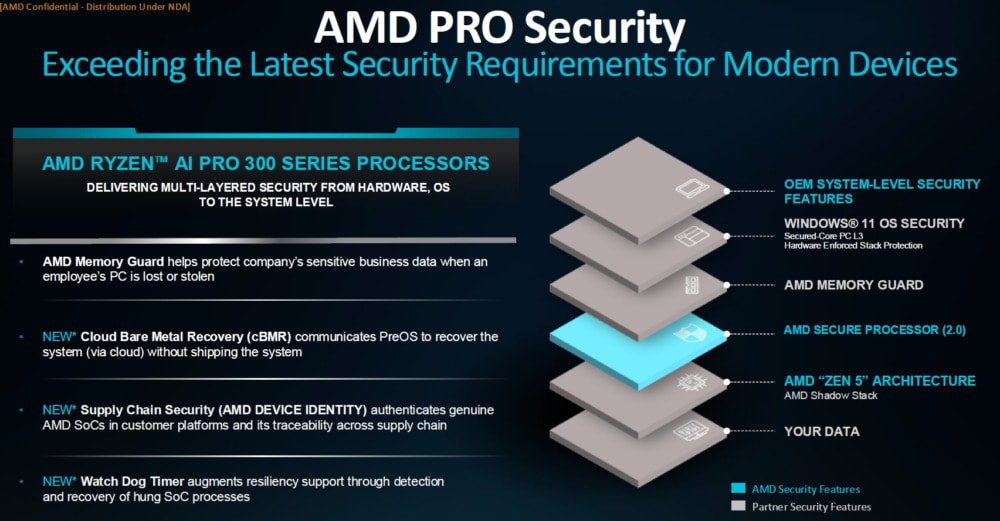
AMD’s EPYC 4005 series processors use its “Zen 5” architecture.
They offer a TDP as low as 65W, support for DDR5 memory, and PCIe Gen 5 expansion.
Note that some models also incorporate AMD 3D V-Cache, enabling faster data access and improved performance for data-intensive workloads.
More information is on the Supermicro website.
See also: AI edge PC with Nvidia’s Jetson Orin NX