Blog
Tools Like DLSS 5 May “Bring Into Question What Version of a Game Should Be Preserved” According to Preservation Expert

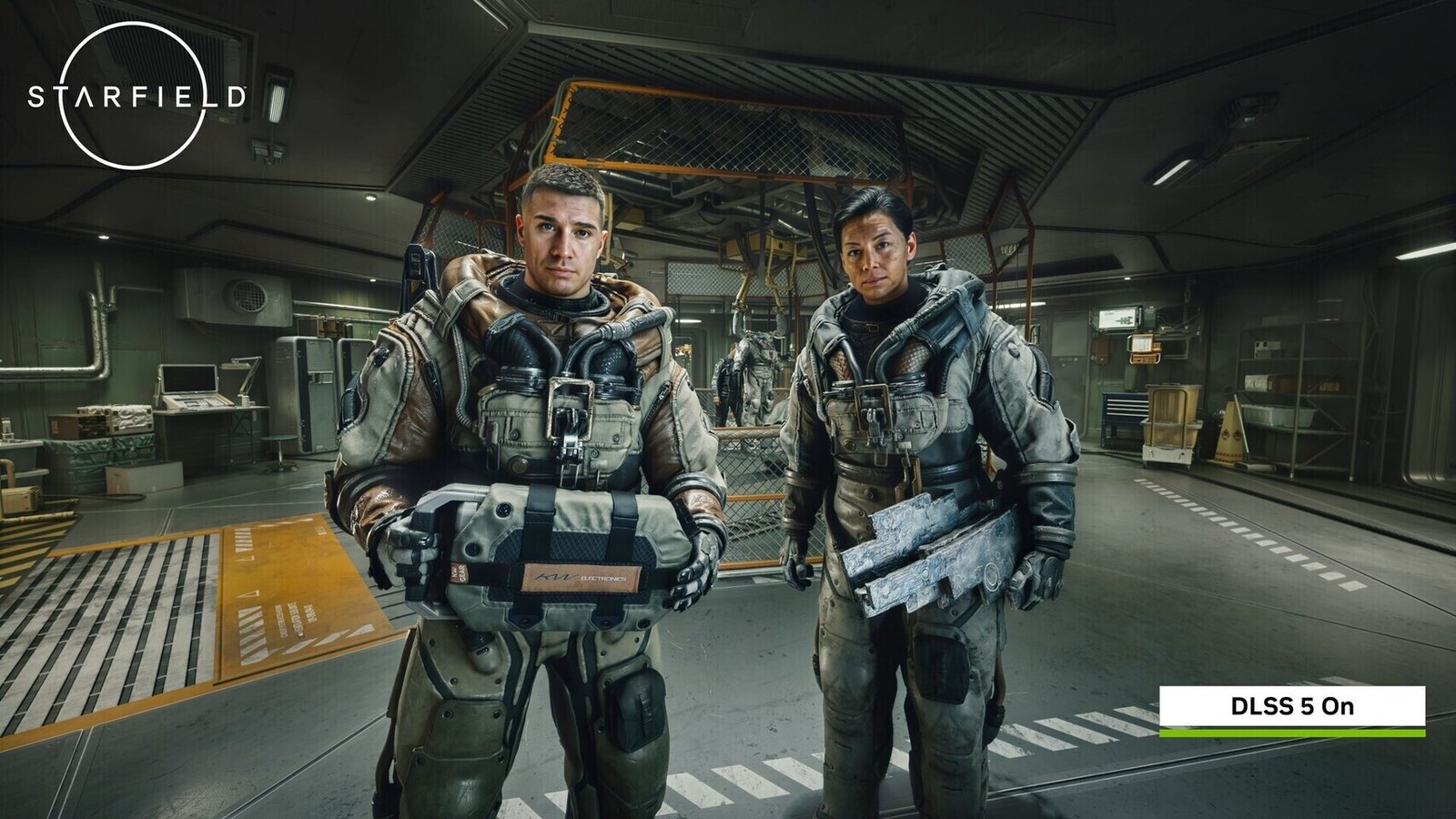
Part of the driving force behind game preservation is that it allows gamers and researchers to go back and experience games throughout history, but technology like DLSS 5 may make that complicated, as Appleby explains: “If these new AI technologies become essential for making and playing games, it has the potential to not only add another layer of potential copyright complexity but bring into question what version of a game should be preserved. Do we preserve both DLSS off and on? Is the DLSS 5 version consistent amongst players and if not, what version represents the collective experience?”

She also echoes questions gamers have had surrounding the original artistic intent of game artists and developers, saying that “Experiences and intent from both the maker and the player changes significantly with this tech which impacts curatorial justifications and interpretations. In an exhibition context, how do you present this tech with the game? If you must display it, is the maker’s intent or the audience’s collective memory being compromised?” Although this argument could be somewhat applied to many of the game technologies from the past, like PhysX effects and quality settings—whether a game should be preserved at ultra quality or a more representative mid-high quality, for instance—those examples have historically been more predictable, and predictability is one of those areas where ML-based tech and generative models tend to suffer. As an example, one of the more common criticisms of DLSS 5 is that it created textures and facial features seemingly out of the blue in some of NVIDIA’s examples.