Blog
Windows 11 April 2026 Update Triggers BitLocker Recovery on Some PCs

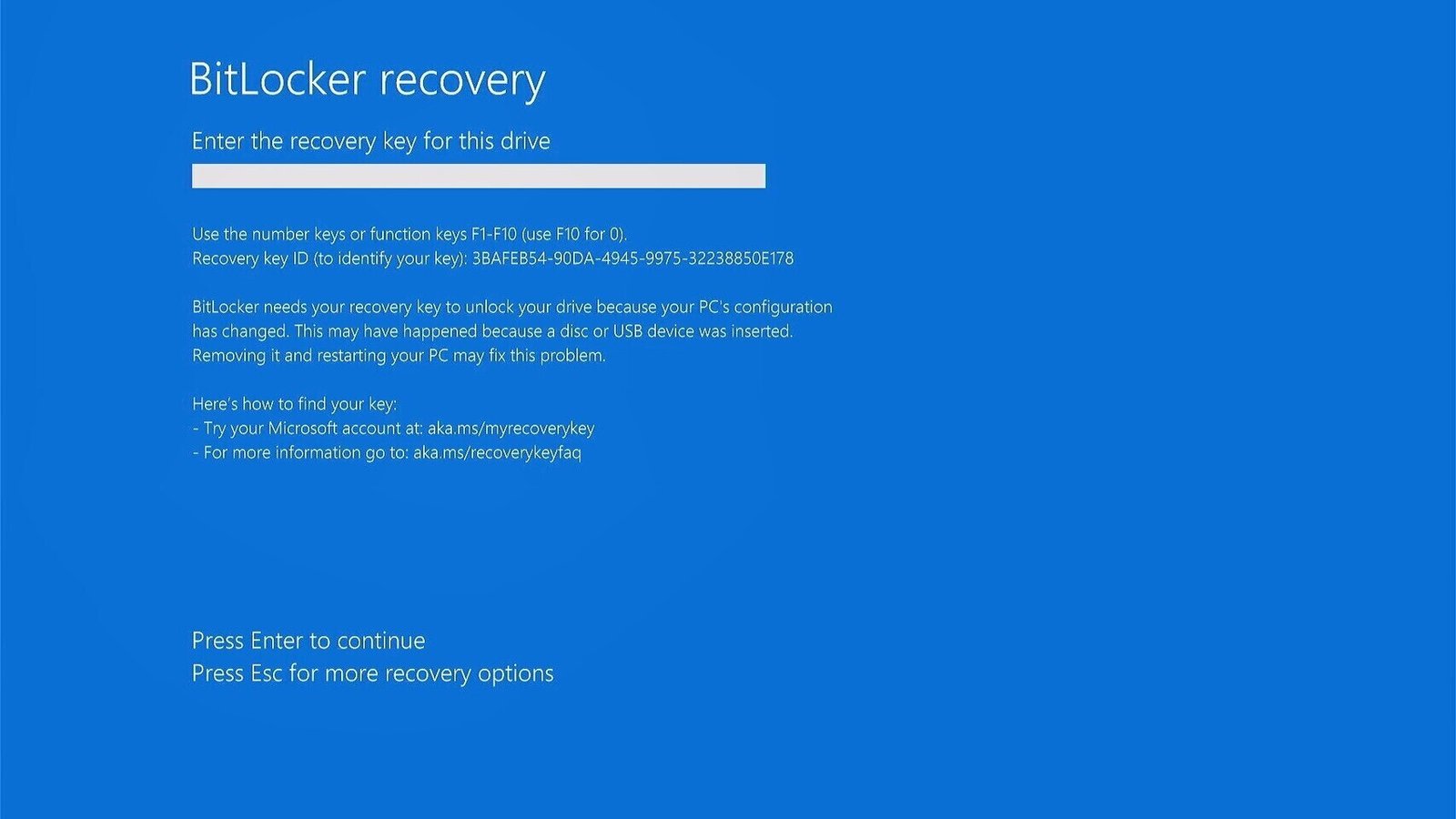
Once these conditions are met, running system information, or msinfo32.exe, shows that the Secure Boot State PC47 Binding is “Not Possible.” Additionally, the Windows UEFI CA 2023 certificate must be present in the device’s Secure Boot Signature Database (DB), making the device eligible for the Windows Boot Manager signed in 2023 to become the default. Finally, the device must not be running this 2023-signed Windows Boot Manager that it supports. Only by fulfilling this unusual set of conditions does the BitLocker Recovery environment trigger, leading to a password prompt. After this, subsequent startups will not trigger it again.
As a workaround, Microsoft recommends removing this group policy configuration before installing the update across the company PC network or simply using a Known Issue Rollback (KIR). The first option is recommended, but for customers who can’t remove the PCR7 group policy, the KIR is a better option in case something happens. Microsoft is already planning a fix scheduled for the new Windows 11 update, but since the issue only affects some PCs, its severity is much smaller than previous worldwide problems Microsoft has faced in the past.