Blog
Microsoft Piles Up 80 “Copilot” Products, Apps, and Services


However, the popularity of its ecosystem is at an all-time low, particularly within the PC community, which interacts most with the Windows 11 operating system and the Microsoft 365 suite of applications, formerly known as the Office package, including Excel, Word, PowerPoint, and others. Regular consumers are largely unaware of the extent of the Copilot branding, as Microsoft has extended its AI narrative to consumer and business chatbots, developer tools, desktop applications, Copilot applications within other applications, enterprise platforms, hardware, and business software serving the enterprise sector. At some point, the community narrative suggests that the branding is being pushed a bit too aggressively, as Windows 11 users, who interact daily with the world’s most widely distributed operating system, have openly discussed the drawbacks of the forced Copilot integration.
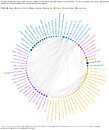
In the consumer sector, Microsoft has announced plans to slow down the Copilot push and return to the core principles that made users install and love the Windows operating system. However, these plans are still in the early stages, and it is uncertain when or if they will officially take effect. Microsoft has promised that updates from April onwards will focus on stability, bug fixes, and less emphasis on Copilot. Despite this, Microsoft will not back down from the overall Copilot adoption, as it has invested significant resources into the marketing push and infrastructure development that has allowed the company to amass 80 “Copilots.” We will have to wait and see if this number grows, making it an interesting development to observe.