
Blog
Designing for the invisible customer


Are consumers’ Openclaw agents becoming the real consumers?
Continue reading on UX Collective »
Related Posts

How to experiment when designing in a regulated field like Healthcare
You can’t vibe code your way through HIPAA violationsContinue reading on UX Collective »...
Designing with web standards: The playbook for this AI moment
What It Should Look Like: Building Shared Standards for AI InterfacesNone of this happens by waiting. Here is where the ...

Who made this, Designing excuses, DesignOps in the age of AI | by Fabricio Teixeira | Jul, 2026
Weekly curated resources for designers — thinkers and makers.
Designing in regulated industries | by Andy Bhattacharyya | Jul, 2026
The five terrain challenges nobody warns you about1. Multiple stakeholders with veto power. In consumer product design, ...
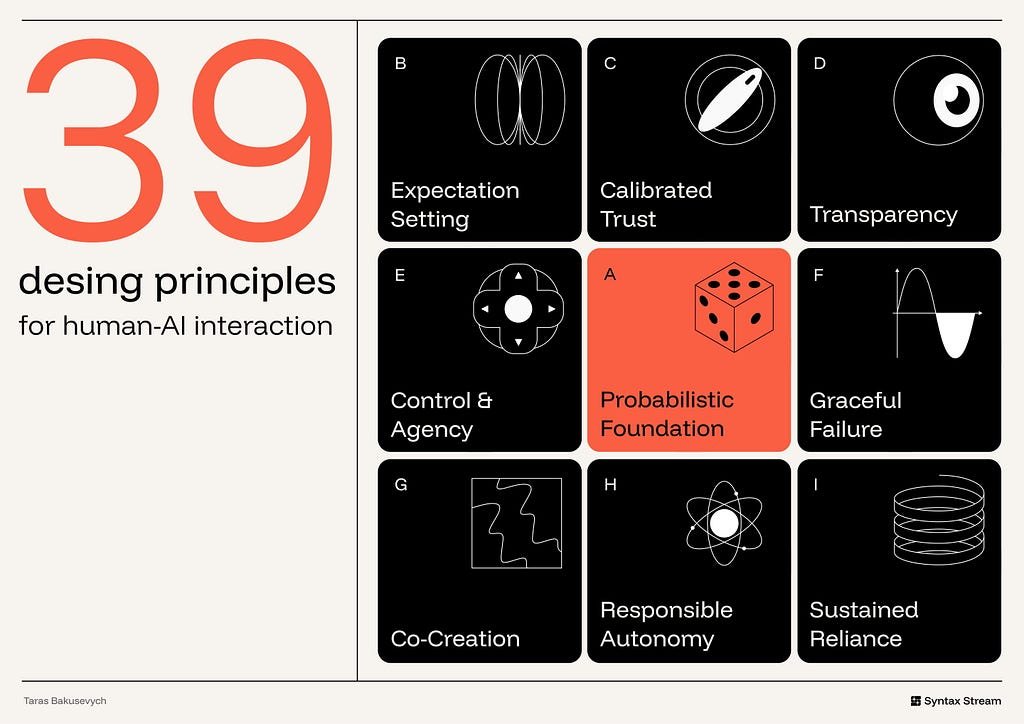
39 principles for designing human-AI interaction
An applied framework for designing AI interfaces that support appropriate reliance, user control, transparency, and responsib...
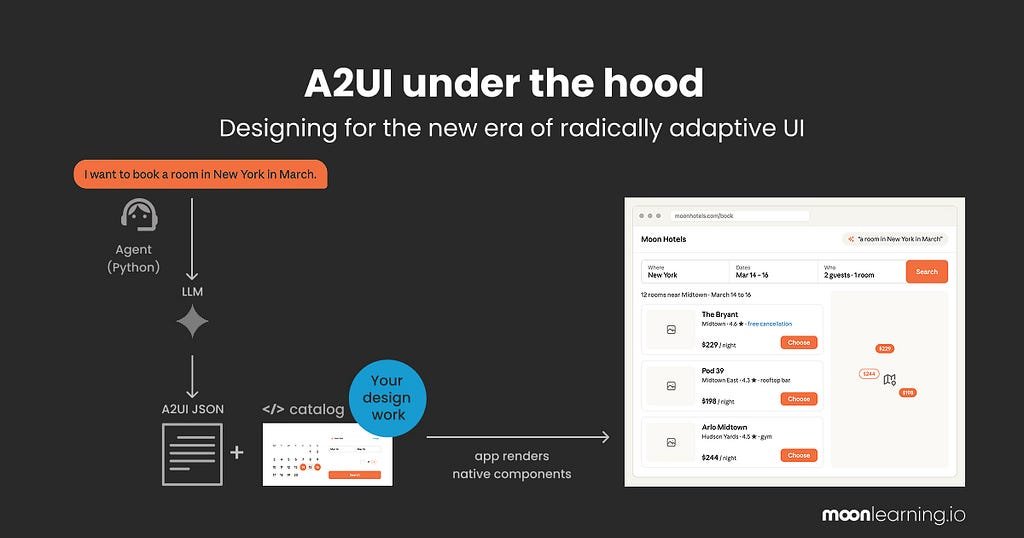
A2UI under the hood: Designing for the new era of radically adaptive UI
An introduction for designersAs a designer, I am optimistic about this one, and that is not my usual reflex with AI interface...

The autonomy dial: a pattern toolkit for designing human control over AI
A practical method for setting how much an AI does on its own, plus six control patterns for hu...

Dieter Rams avoids computers. His ten rules still fit designing for AI.
His principles were never about technology for its own sake. They were about restraint, honesty and most importantly clarity ...

Designing for care, not growth
From healing fiction to smart feeders, the booming pet economy shows what design looks like when households shrink instead of...

Designing with Rad-Hard Bare-Die Power and Memory Semiconductors
This direct thermal interface can dramatically improve heat dissipation compared to prepackaged devices, where the packa...
Designing for AI, the permalink problem, vibe designing
Weekly curated resources for designers — thinkers and makers.“We have extraordinary capability and almost no shared conventio...
Designing for AI means designing like it’s 1999
You can’t talk about 1999 without Hamster Dance.That means looking back at the unfinished, handmade web to reinvent how we de...