Blog
Designing with Rad-Hard Bare-Die Power and Memory Semiconductors

This direct thermal interface can dramatically improve heat dissipation compared to prepackaged devices, where the package itself may act as a thermal bottleneck. Enhanced thermal management leads to greater power-handling capability and longer device life.
6. Increased radiation tolerance
While both bare die and prepackaged parts can be fabricated with radiation-hardened processes, bare-die usage will further enhance system-level radiation tolerance. Custom packaging or direct die attachment makes it possible to use radiation-shielding materials or configurations that provide superior protection compared to standard packages. In addition, bare die can be strategically placed within the system to minimize exposure to radiation-intensive regions.
7. Supply chain and lead-time advantages
In many cases, rad-hard bare-die semiconductors are available earlier in the product development cycle than their prepackaged equivalents. That’s because the packaging development, qualification, and testing phases can add significant time to the availability of prepackaged parts. For projects on tight schedules, leveraging bare die typically accelerates prototyping and system integration.
Comparison to Prepackaged Semiconductors
Prepackaged radiation-hardened semiconductors offer ease of handling, standardized interfaces, and off-the-shelf availability. They’re ideal for applications where:
- Standardization is critical
- System requirements are less stringent
- Rapid prototyping is needed
However, when compared to bare die, prepackaged parts often fall short in areas where custom integration, performance, and environmental resilience are paramount. Some of the key limitations include:
- Larger size and weight due to packaging
- Increased electrical parasitics
- Limited thermal-dissipation paths
- Inflexibility in custom module design
Specific Applications Where Bare Die Can Make a Significant Impact
Spacecraft and Satellites
Space missions demand ultra-reliable electronics that are lightweight, compact, and capable of withstanding extreme radiation. Bare-die components are preferred for building hybrid microcircuits that pack maximum functionality into the smallest possible volume, with tailored shielding and thermal solutions.
Defense Systems
Ruggedized electronics for missile defense systems, avionics, and secure communications benefit from the integration, performance, and reliability offered by bare die semiconductors. Custom packaging enables compliance with stringent military standards for shock, vibration, and radiation exposure.
Medical Devices and Nuclear Instrumentation
In environments with high radiation exposure, such as nuclear reactors or cancer therapy equipment, bare-die solutions allow for custom, radiation-shielded assemblies that ensure patient safety and equipment longevity.
Challenges and Considerations of Bare-Die Use
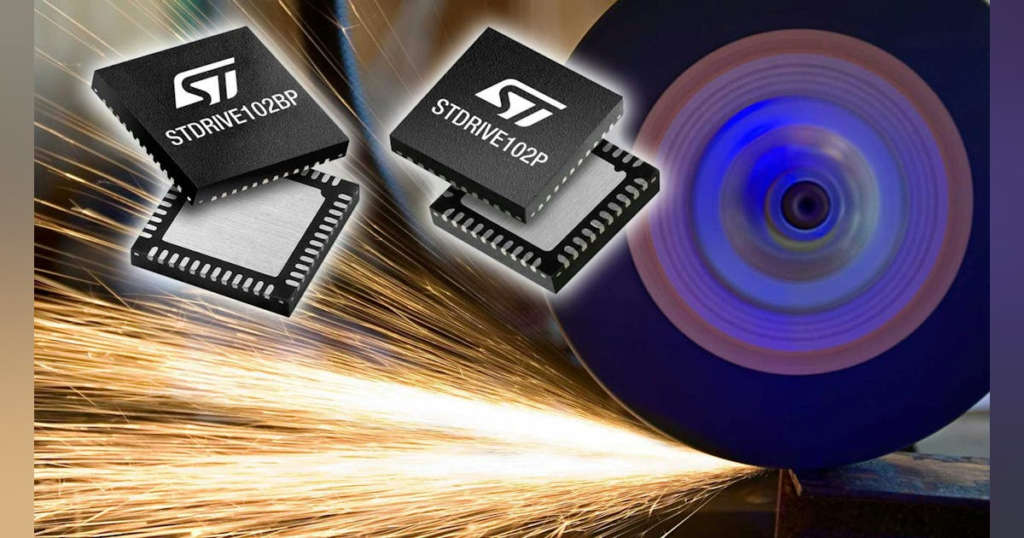
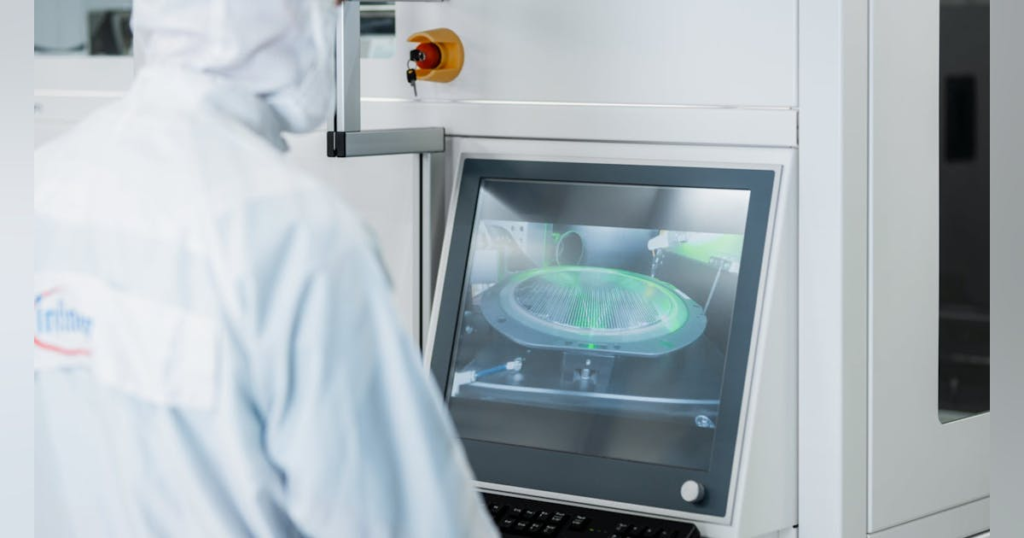
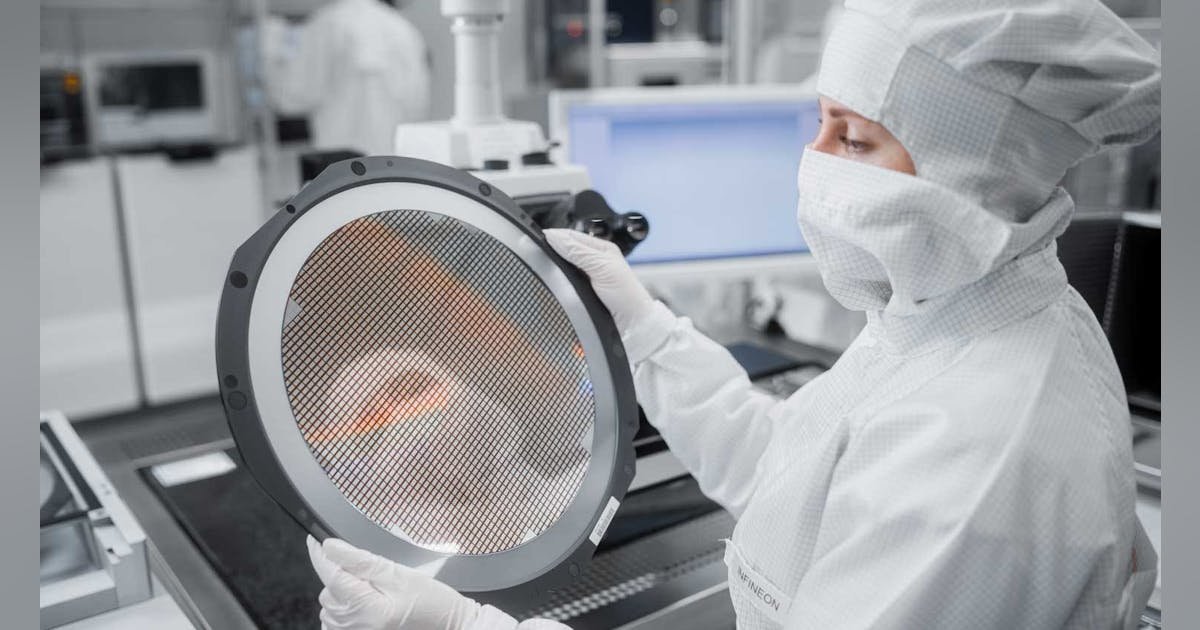
While the advantages of bare-die semiconductors are significant, their use does come with specific challenges. That’s why it’s critical for designers and system integrators to work with established and trusted semiconductor companies like Infineon IR HiRel (IR HiRel). Such firms have the in-house expertise, experience and manufacturing capabilities to manufacture, test, supply, and handle best-in-class bare-die products (Fig. 4).