Blog
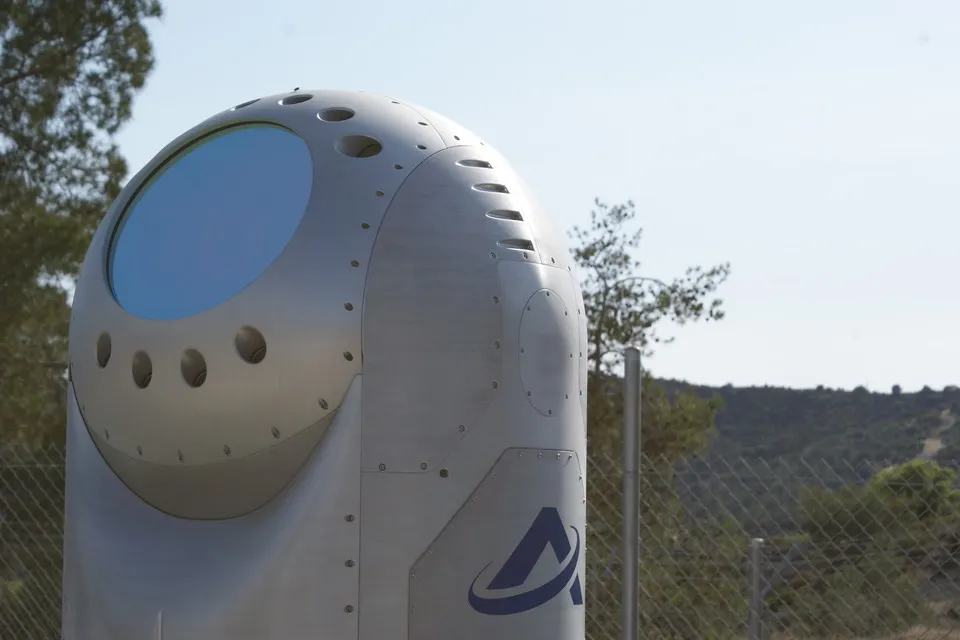
DARC deep space radar gets early green light

It says this is to counter “growing threats from the proliferation of man-made objects” and potential adversary activities on orbit. The global network of ground-based space sensors supports space domain awareness, including geosynchronous orbit.
Early use
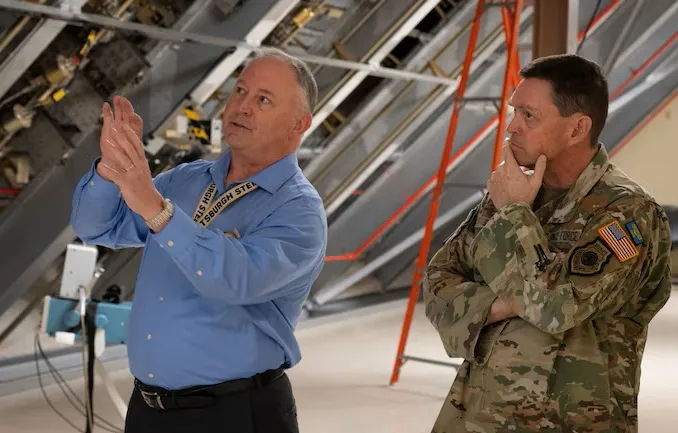
 “The Space Force is all-in on delivering capabilities as soon as they provide a warfighting advantage and then upgrading them as we learn from real-world operations,” said Chief of Space Operations, General Chance Saltzman (pictured). “The work the 20th Space Surveillance Squadron and Mission Delta 2 are doing with [DARC] is a prime example of these principles in action.”
DARC was approved for “Early Use” capability for U.S. Space Command back in September 2025. This enabling the streamlining of test and evaluation processes. Such Early Use activities are being carried out from the 20th Space Surveillance Squadron’s Integrated Radar Operations Center (IROC) at Eglin Air Force Base, Florida.
“Getting this capability into the hands of our Guardians sooner rather than later is a significant win,” said Colonel Barry Croker, commander of Mission Delta 2 – Space Domain Awareness.
“The Early Use phase has already provided invaluable opportunity for system familiarization, development of initial training requirements, and early identification of potential operational gaps, all of which ultimately accelerate our readiness.”
By enabling the continuous tracking, identification, and characterisation of space objects, DARC both supports critical space-traffic management and provides military intelligence.
DARC features
Five features of DARC radars are highlighted by Space Force.
While current ground-based systems can be impacted by weather conditions, DARC is designed to provide an all-weather capability to monitor the GEO environment. It will also be capable of operating 24/7.
Thirdly, the design is also for DARC to have the furthest reach into GEO (22,000 miles) and offer the most detail of any ground-based radars. Fourthly, the system will operating as part of a trilateral partnership, which leads to the final feature of full global coverage
Cawdor Barracks (formerly RAF Brawdy) in Pembrokeshire is the location of the UK site.
Image: U.S. Space Force – Chief of Space Operations Gen. Chance Saltzman at Eglin Air Force Base, Florida.
See also: Northrop Grumman demo of DARC Deep-Space Advanced Radar Capability