Blog
Beyond Leather Transforms Scrap Material Into Lighting

Our modern world holds many contradictions at once. Many facets of our day-to-day lives would have been almost unimaginable even fifty years ago, shaped as they are by technological development, societal shifts, and a growing awareness of climate consequence. And yet, as much as we continue to innovate within a field, there are still techniques that remain tried and true, century after century.
Following the great humanist tradition of using the whole animal, Beyond Leather was born from an exploration between premium leather company Elmo Leather and Madrid-based creative studio TetuánCrea. Crafted in partnership with Soulem, an organization dedicated to supporting women in vulnerable situations through skill-building, craftsmanship, and community, the collaboration was presented as part of the Viveros project during Madrid Design Festival 2026.


Leather is a controversial yet incredibly hardy material. Some of the oldest surviving leather objects reveal just how long humans have understood its resilience, using tanning and preservation techniques that predate much of what we now consider modern making. In a world of bonded leather, synthetic substitutes, and products—even within the luxury sphere—that can begin to fall apart after only a few years, the enduring quality of the real deal remains difficult to match. Color, texture, grain, and irregularities within the hide become collaborators in the process, forging a deeper relationship between creator, material, and creation.


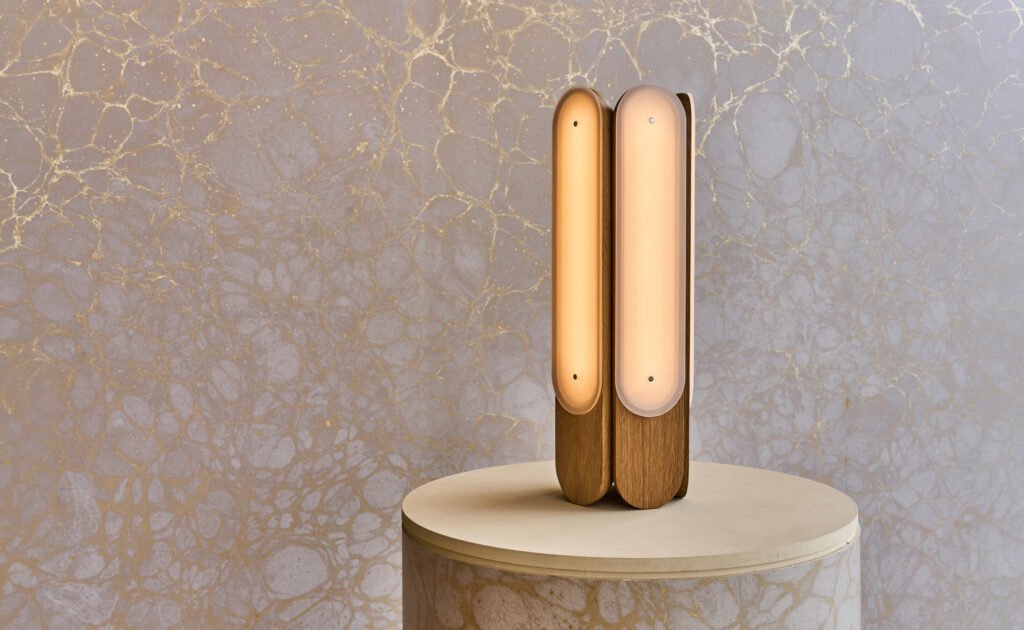
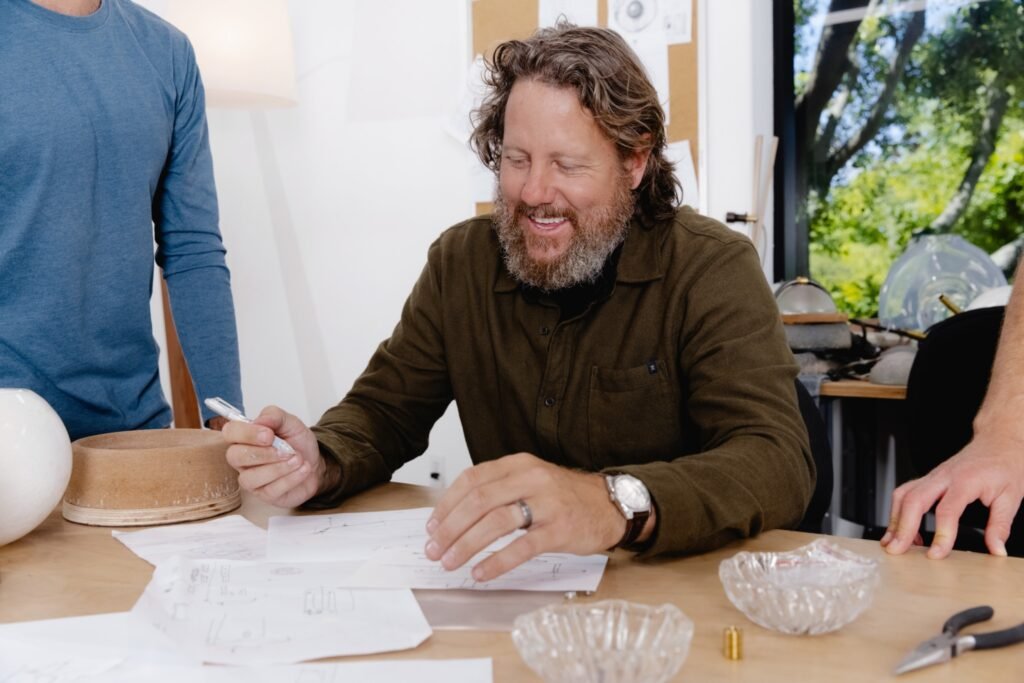
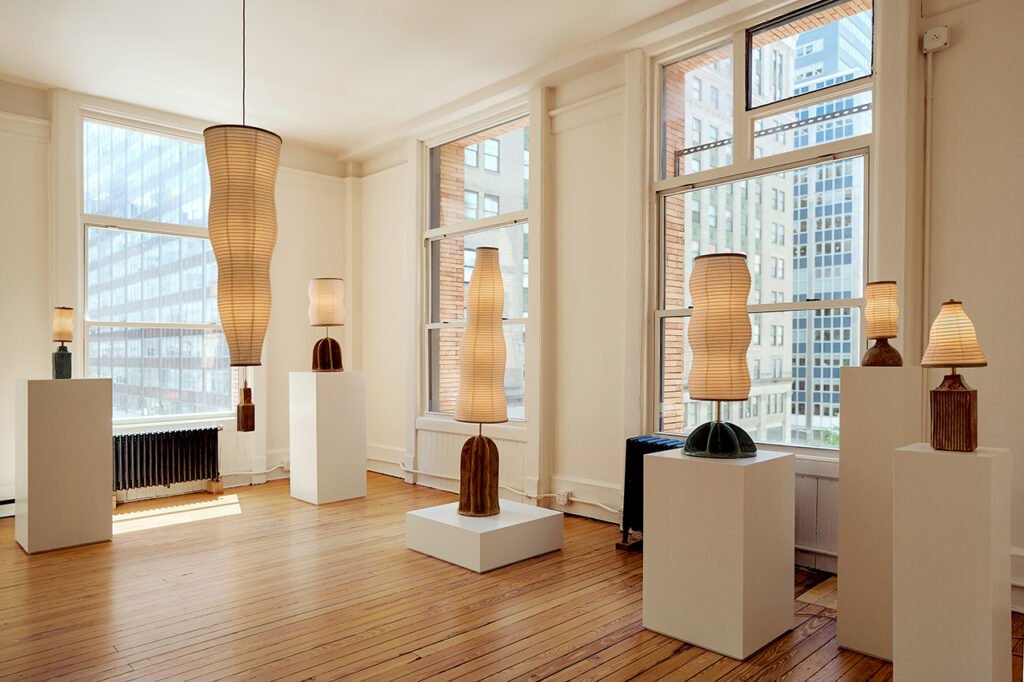
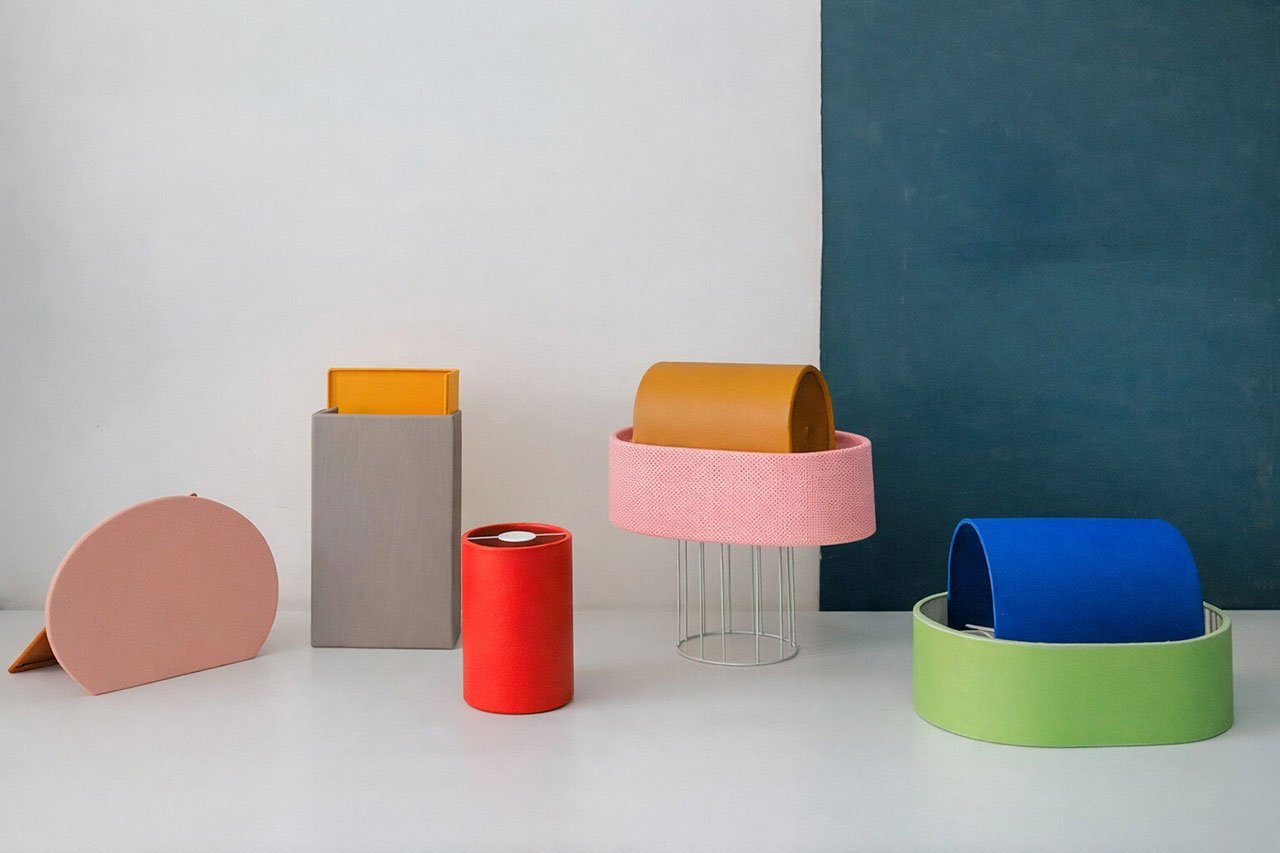
Usually associated with upholstery, luxury bags, and car interiors, leather is used here as lighting. Glowing from within, the specific intricacies of each offcut create a unique look, each lamp slightly different from the next. Through composition studies, mock-ups, and prototypes, TetuánCrea designers Estrella Poza Ruiz and Ilaria Franceschini explored how cuts, tensions, overlays, and color combinations could transform remnants into objects with sculptural presence and functional purpose. Taking what could have been discarded and transforming it into a useful and beautiful object is a testament to materiality and process. Respect for the living and the dead is infused within the luminaire, a warmth that lends the simple geometries special significance.

Elmo Leather has long been committed to sustainable business practices, with documentation to back it up. Measurable and scalable goals are our truest path to sustainable design, and Beyond Leather points toward this kind of systemic change. Rather than treating waste as an aesthetic shortcut, the project elevates an existing resource, asking how design can create new narratives around materials that already carry value. “The true value lies in the process rather than the final objects. It is a shared effort in which every participant contributes to something greater,” shares Marta Pascual, Project Lead through U-Ak Social Design Project.

Aptly named, Beyond Leather investigates not only the systems that produce leather, but also the people who produce leather products. Each lamp reflects a network of collaboration built on craft, learning, and the creation of new opportunities. In this way, the cycle of design changes: from linear consumption to reuse, from isolated authorship to shared making, from material excess to material respect. An exciting opportunity to reclaim material while creating employment opportunities, this collaboration is yet another example of how true circular design can benefit everyone involved.

To learn more about Beyond Leather, visit elmoleather.com. To learn more about Soulem, visit soulem.org.
Photography courtesy of Elmo Leather.