Blog
Intel 14A Node Enters Risk Production in 2028, 10A and 7A Nodes on the Roadmap

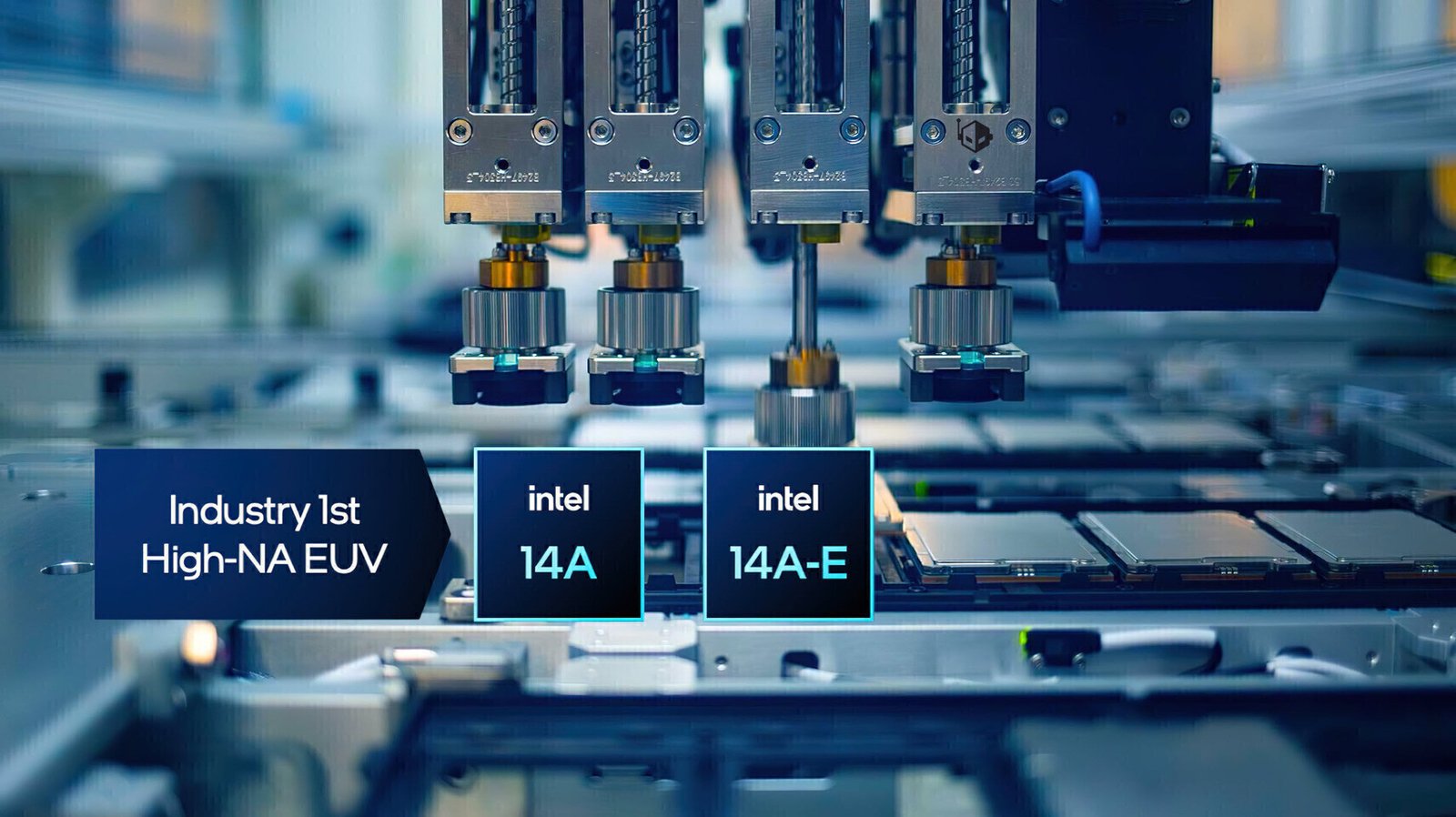
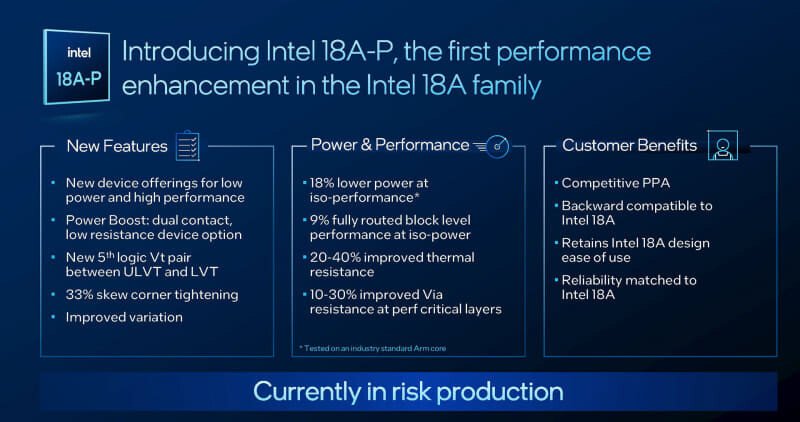
We have already reported on the progress Intel is making with 14A, noting that the node is advancing at a much better pace than Intel experienced with the 18A node. This means better yields at early stages, less complex manufacturing, and an overall improved production process. Notably, 14A is the first semiconductor node globally to utilize ASML’s High-NA EUV lithography tools, which are the most sophisticated chip manufacturing machines ever designed. The 14A node is currently at the 0.5 PDK stage, and customers will finalize volume, design, and other requirements when the PDK 0.9 is released. Lip-Bu Tan expects this 0.9 PDK, which he refers to as a “holy grail,” to be available in October of this year, allowing customers to start their designs.
Finally, the Intel CEO also hinted at future nodes being added to the company’s roadmap, specifically the 10A and 7A nodes as upcoming products. He emphasized that after completing the trial runs, the company is placing 10A and 7A node development on the roadmap. Intel aims to build a continuous evolution of technology, both for internal needs and future customer commitments. Customers want to invest in a foundry with a long-term plan, and that is exactly what Intel aspires to become, similar to what TSMC does and plans. When customers approach TSMC, they often want to explore future nodes, and Intel is adopting this framework to attract new customers.