Blog
Intel to Revive “Raptor Lake Next” Even for Gaming Notebooks to Soak Up DDR4 SODIMM Inventory

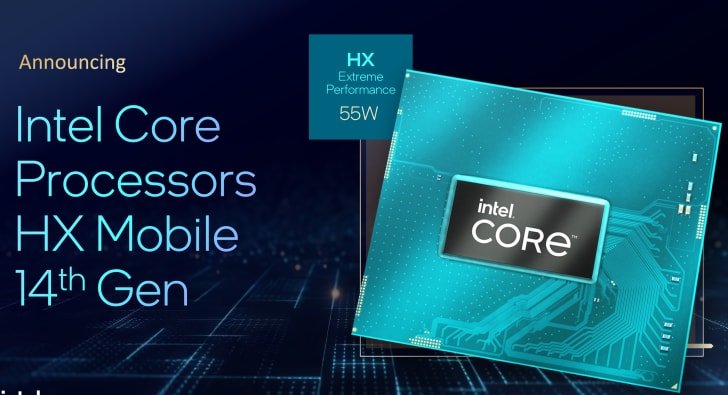
Intel uses a common silicon for its desktop S-segment and the HX-segment, so the top SKU based on “Raptor Lake Next-HX” will max out the silicon, with a core-configuration of 8P+16E, with HyperThreading enabled on the P-cores, for a total logical processor count of 32. The monolithic die is built on the Intel 7 foundry node, and the lack of low-power island E-cores mean that these will be power hungry chips by contemporary standards. The HX segment calls for a processor base power of 55 W, and a three-figure maximum turbo power. For reference, the Core i9-14900HX from the “Raptor Lake Refresh” generation came with 55 W base power, and 159 W of maximum turbo power, requiring notebook OEMs to bundle power bricks with 320 W on tap, with some OEMs even including 400 W bricks.
To ensure that “Raptor Lake Next-HX” doesn’t cannibalize “Arrow Lake-HX,” there could be product segmentation recommendations from Intel to OEMs, to ensure that gaming notebooks powered by the latter come with faster DDR5 SODIMM memory; at least until “Nova Lake” makes its way to this segment in 2027.