Blog
PC Motherboard Sales Face Sharp 25%+ Decline Amid Weak Demand

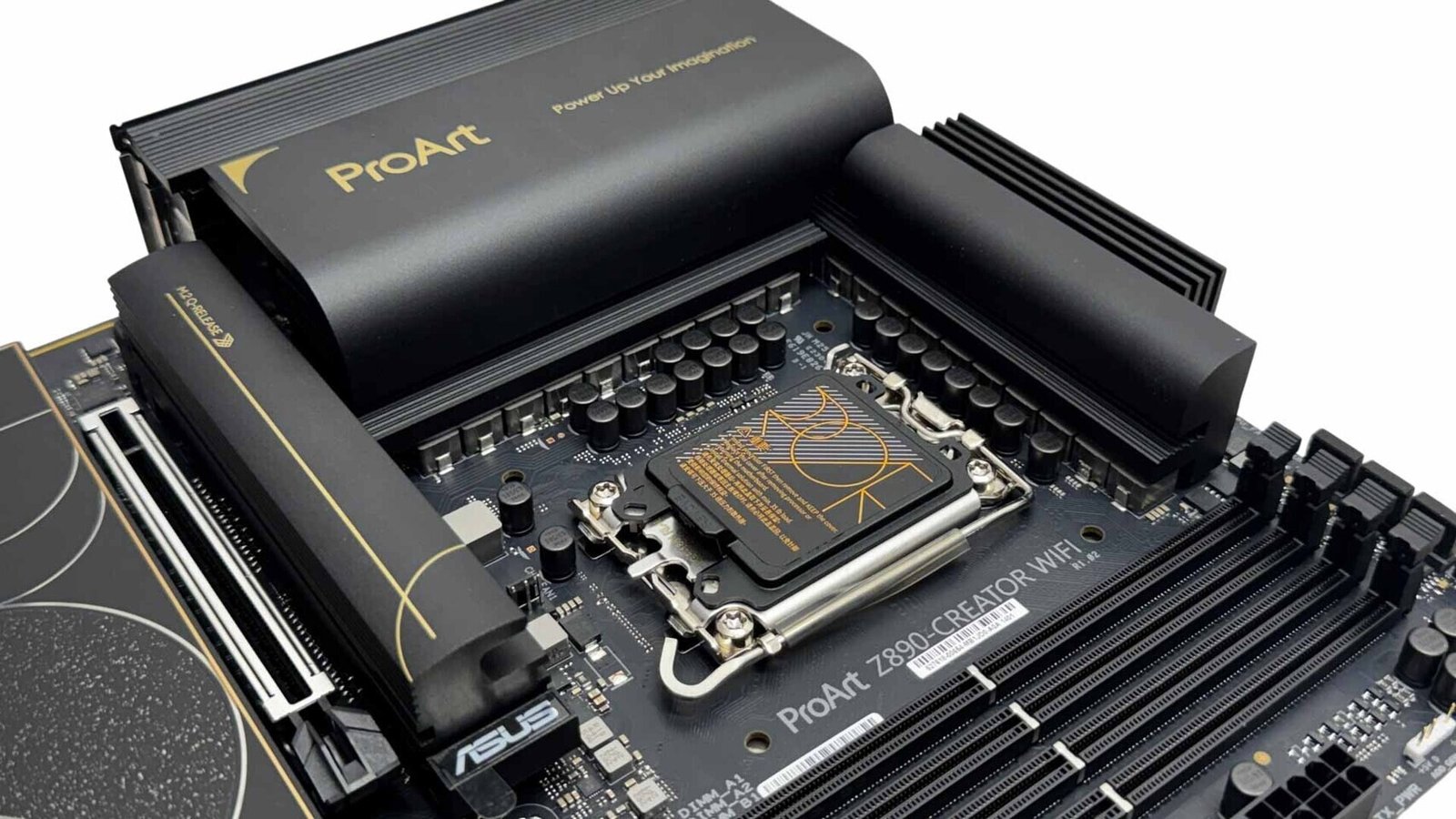
Interestingly, it’s not only CPU and memory shortages driving this lowered demand; there are indications that consumers have slowed down their NVIDIA GPU upgrade cycles, which is impacting new motherboard sales. Particularly with the “Blackwell” GPU generation, consumers began purchasing PCIe 5.0 motherboards to achieve the greatest performance increase. However, as these GPUs became rarer and more expensive due to the global DRAM shortage, consumers have become reluctant to upgrade. ASUS is projected to sell about 10 million motherboards in 2026, while MSI and GIGABYTE are now projecting sales of less than 10 million units each. This represents about a 25% yearly decrease from 2025 sales. The worst position is estimated for ASRock, which is expected to see a 30% decrease according to the report.
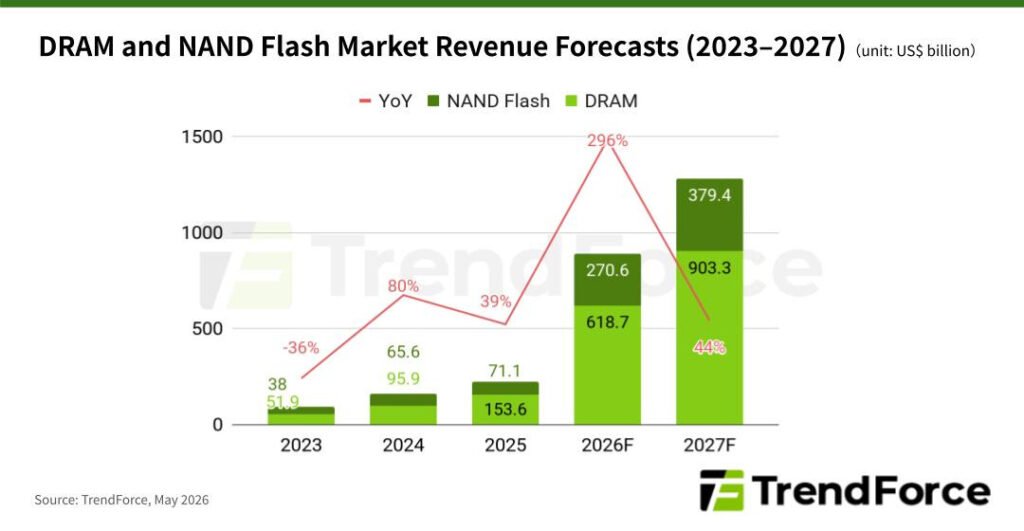
Adding to the complexity of the situation, the economics of building PCs have changed completely since memory prices increased, with DRAM kits now accounting for over 30% of PC costs. In the DIY PC sector, the shortage of AMD and Intel CPUs has also impacted PC builders’ chances of buying new motherboards, leaving uncertainty about when the overall supply chain will start to ease. Consumers are pulling back from making major upgrades in these market conditions, so gaming PCs will likely take a significant hit in the coming months. Even AMD’s CEO, Dr. Lisa Su, noted that gaming demand will decline in the second half of the year, leaving little positive outlook for the grim state of the PC DIY market.