Blog
Game Industry Workers: AI Hurts Creativity

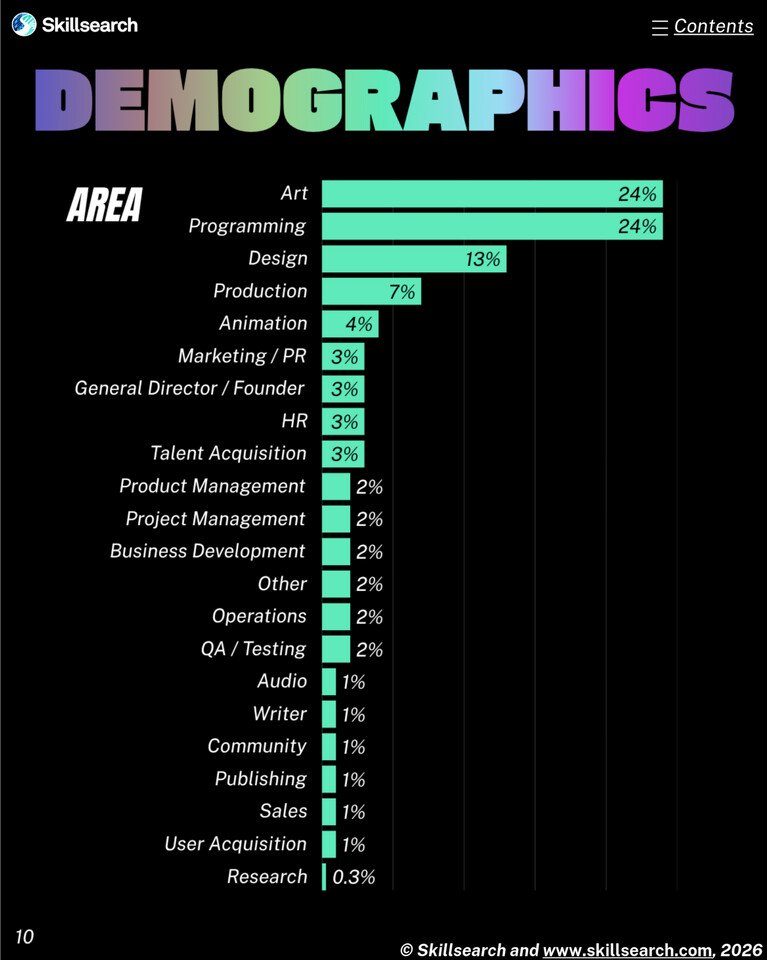
When asked about the game industry job market, responses varied greatly, likely in part because the survey targeted many different countries. When it came to finding a job, 56% of graduates who did not have a gaming-related degree took longer than a year to find a job in the industry, and even 25% of the respondents who had a degree in gaming said it took over a year. Meanwhile, 27% of graduates with a degree in gaming managed to land a job in the industry before even graduating. Meanwhile, 65% of respondents reported that they have been directly affected by layoffs or layoffs happened at the studio where they work, with 22% of workers saying they were made redundant within the last 12 months. Of those who were made redundant, 52% were “unsatisfied with their redundancy package.” Only 45% of those made redundant have since gone on to find new jobs, and only 27% of those workers feel secure in their new positions. As many as 37% of those who were laid off have been unemployed for longer than seven months.
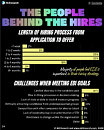
The survey also reports that game 45% of game studios listed new games as their top priorities for 2026, while studio space, events, and recruitment were the least common priorities for the year. Of those respondents who reported being involved in the hiring process, 33% reported that the hiring process took two to four weeks, with another 33% reporting a hiring process as long as one to two months, with the biggest hiring challenges being skills and experience, out-of-budget salary expectations, and ensuring candidates align with the company culture and values.