Blog
End of an Era: macOS 27 Drops Support for Intel-Based Macs

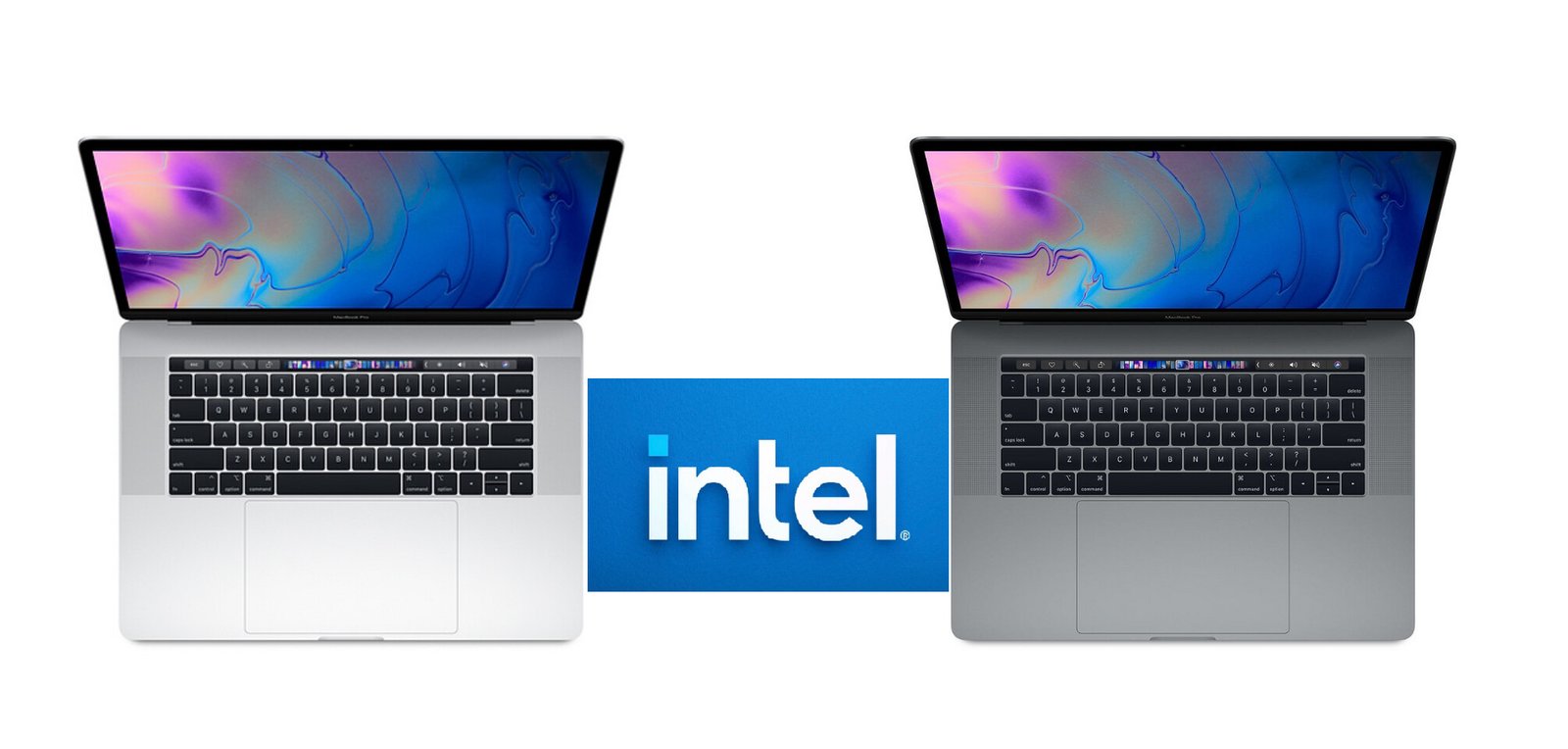
The transition to Apple Silicon officially began in late 2020 with the introduction of the M1 SoC—Apple’s first custom silicon processor that features an in-house developed CPU, GPU, and much of the surrounding IP that make up an SoC. This initiated a series of M-Series designs over the years, with the current latest being the M5 generation, led by the M5 Pro and M5 Max. The Cupertino giant has been creating custom silicon for years with its A-Series of smartphone SoCs, but only recently started a special line for Macs. The company even offers the A18 Pro-based MacBook Neo, incorporating some smartphone silicon into a $599 Mac computer for basic PC work.

Apple will likely detail the transition at its upcoming WWDC 2026 event, showcasing how the entire Apple ecosystem has transitioned from Intel x86 CPUs to Apple Silicon custom solutions. We expect to hear more in June when the conference starts, including how the ecosystem looks now.