Blog
Change of pattern as AI cycle hits memory market

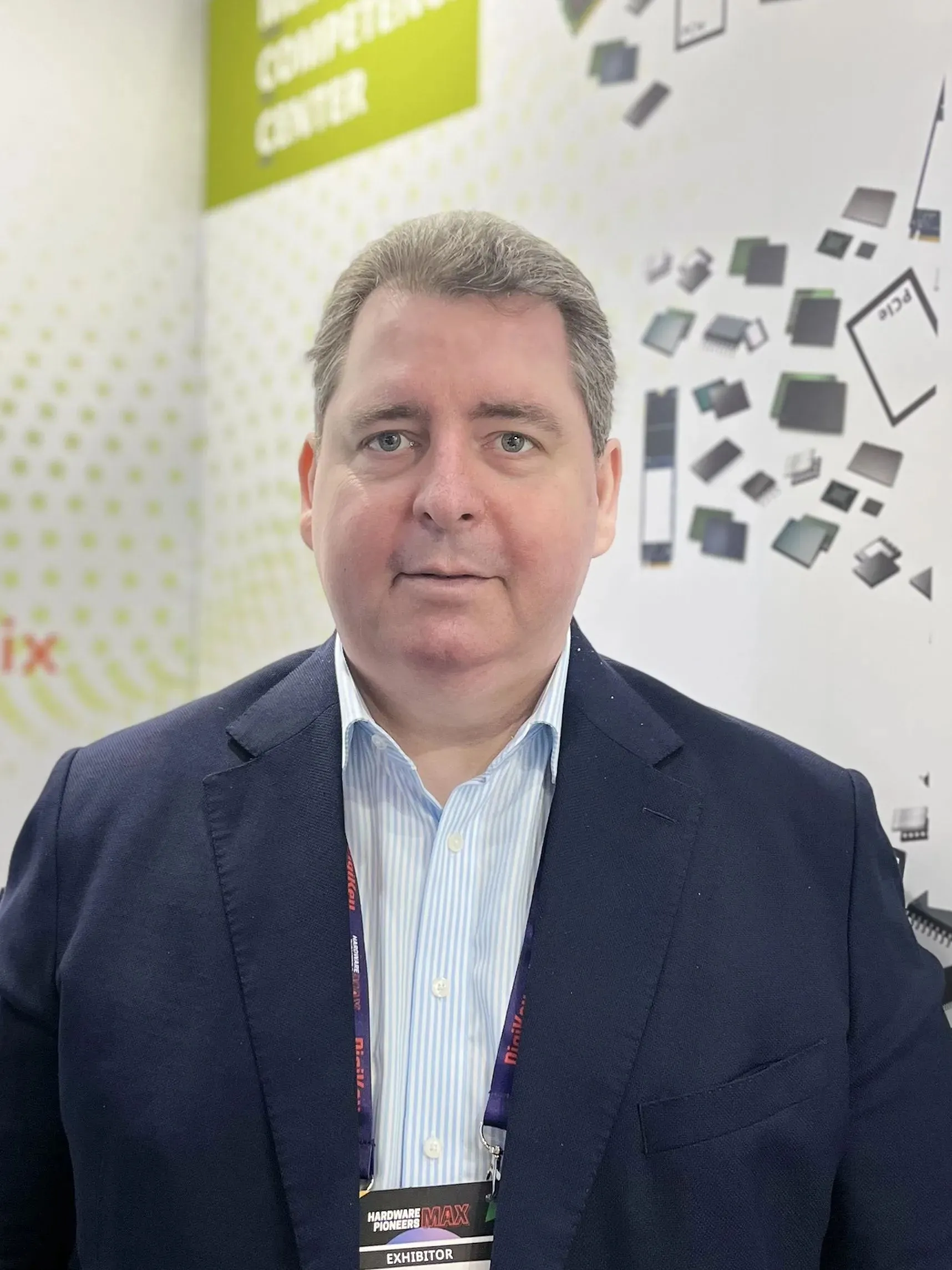
A typical cycle is shortages and oversupply over a period of two, two and a half years, he said, but this current cycle appears to be a super-position of two different cycles, the regular memory cycle and the AI investment cycle. Currently, the AI investment cycle is prevailing, due to the “huge” investment. This is bringing about a reset, said Florous, adding “the rules have changed”.
Memory expansion investment, when it happens, will occur in a very certain period of time, he continued and only after a period of physical building [the locations, the fabs], and optimising yields. The high numerical aperture EUV [extreme ultraviolet] machines need more time for qualification, for setup, noted Florous, and the investment cycle is much more severe, because of the expense of the machines. These investments will be translated into capacity only after four to five years, he said.
Taking 2023/2024 as a starting point, Florous said the first impact in the market will not be before 2028/2029, leading to a shortage of legacy capacity [for industrial, automotive, IoT use] because investment is only being made to expand AI capacity, observed Florous. A second shortage, created by the repurposing of old legacy capacity to accommodate AI, will only be visible from 2028/2029 onwards, Florous believes.
Repurposing of some fabs frees capacity to accommodate the highest technology nodes. “For example, there is a lot of repurposing of fabs producing MLC-based eMMC 40nm to create and develop DRAM. . . [creating] an artificial shortage for managed NAND products.”
Florous believes the shortage is at its peak and expects to see balance returning in 2028, when there will be new capacity for advanced technology nodes. “At the same time we foresee that the demand for the legacy nodes for the legacy products will start fading out in the next two years.”
Memory shortage to last 4-5 years says SK boss