Blog
Building Block Etc. Marks a Recalibration With Objects That Earn Their Place

Not far from a busy corner of Los Angeles’ Silver Lake neighborhood, where traffic compresses and releases in a daily rhythm, a gem of a store can be found. Nestled in the back corner of an unassuming courtyard is the new space by Kimberly and Nancy Wu, the sisters behind Building Block. Nancy studied Transportation Design at ArtCenter—coincidentally alongside my brother—while Kimberly trained in footwear design in Italy. That split, systems and structure on one side, material and craft on the other, resolves cleanly in their work.
I came to know the brand indirectly. My sister-in-law carried a Building Block bag I couldn’t stop noticing each time she visited. The leather softened and darkened over time. It reminded me of a small leather pouch I use for pencils and pens, something handled daily and marked by use. I love how natural leather documents life. Like a marble countertop at a Parisian café, marked with glass rings and stains, it is not meant to be precious so much as to tell life’s story.
By the time I wanted my own bag, Building Block had already paused. For those who followed the brand, that 2023 pause marked the end of a distinct chapter. For over a decade, its collection of minimal leather forms, often punctuated by wood or rubber, was carried by a loyal, design-literate audience. The success was real, but never loud.
Building Block Etc., the new space, reads as a continuation, not a restart. I first visited while gathering sources for 2025’s Holiday Gift Guide for the Culinary Curious. The store is striking. You enter a calm, precise space where everything feels considered and nothing incidental. From their own designs to the curated collection, each object earns its place.
Kimberly describes the selection as intuitive: “Often they’re things we’ve lived with ourselves or from makers whose practices we deeply admire. We’re drawn to pieces that have clarity in material and form, a sense of utility, and the ability to reveal more over time.”
That sensibility is immediately felt. You want to pick things up, feel their weight, and trace their edges. The design language is consistent: reduced forms, direct materials, exacting decisions. Even the packaging they use to wrap purchases—pressed kraft bubble wrap and aluminum tape—extends the experience.
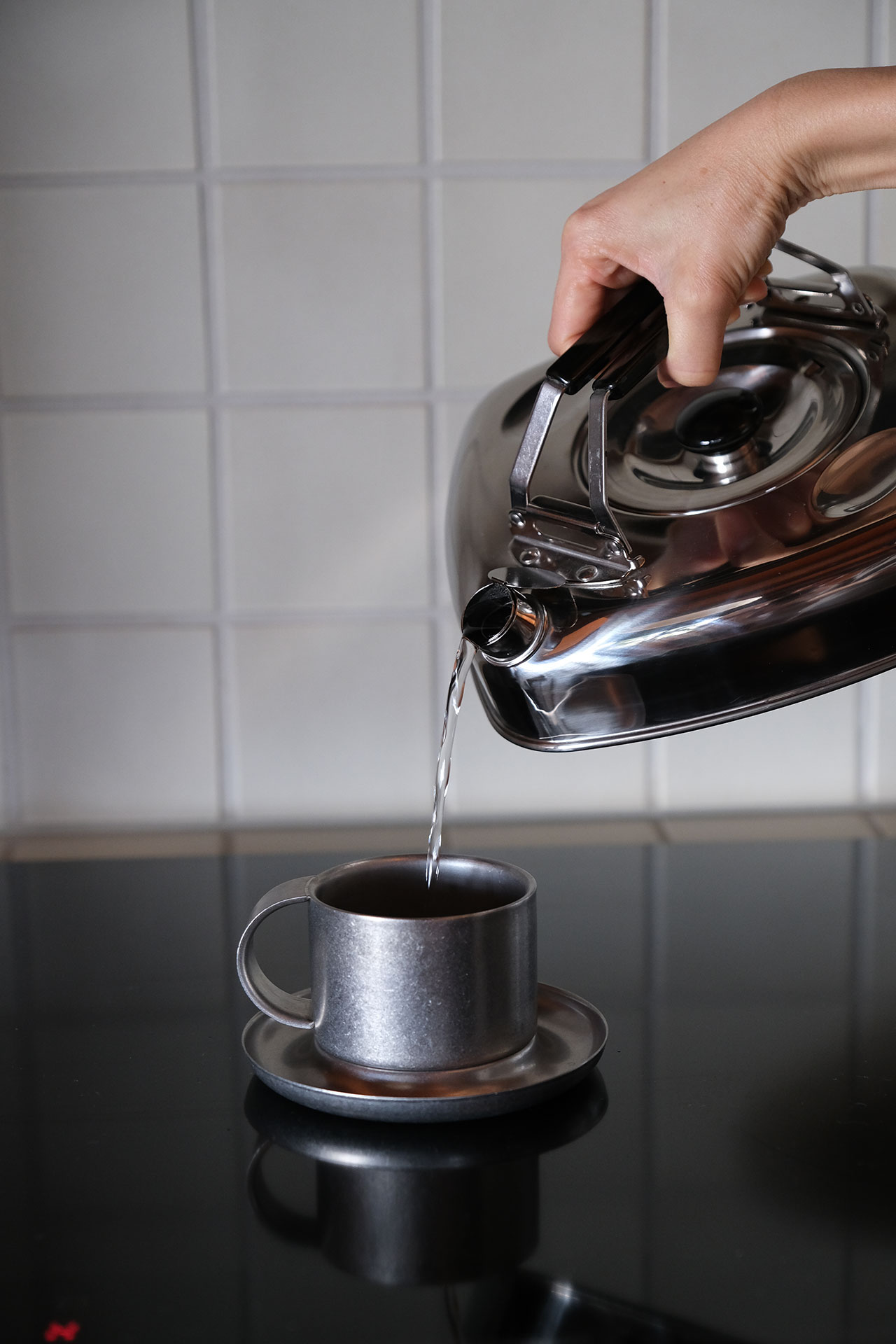
A cube-shaped stainless steel teapot from Japan: flat-bottomed, efficient, compact. A built-in strainer allows tea or coffee to be made directly inside, while fold-down handles collapse the form when not in use.
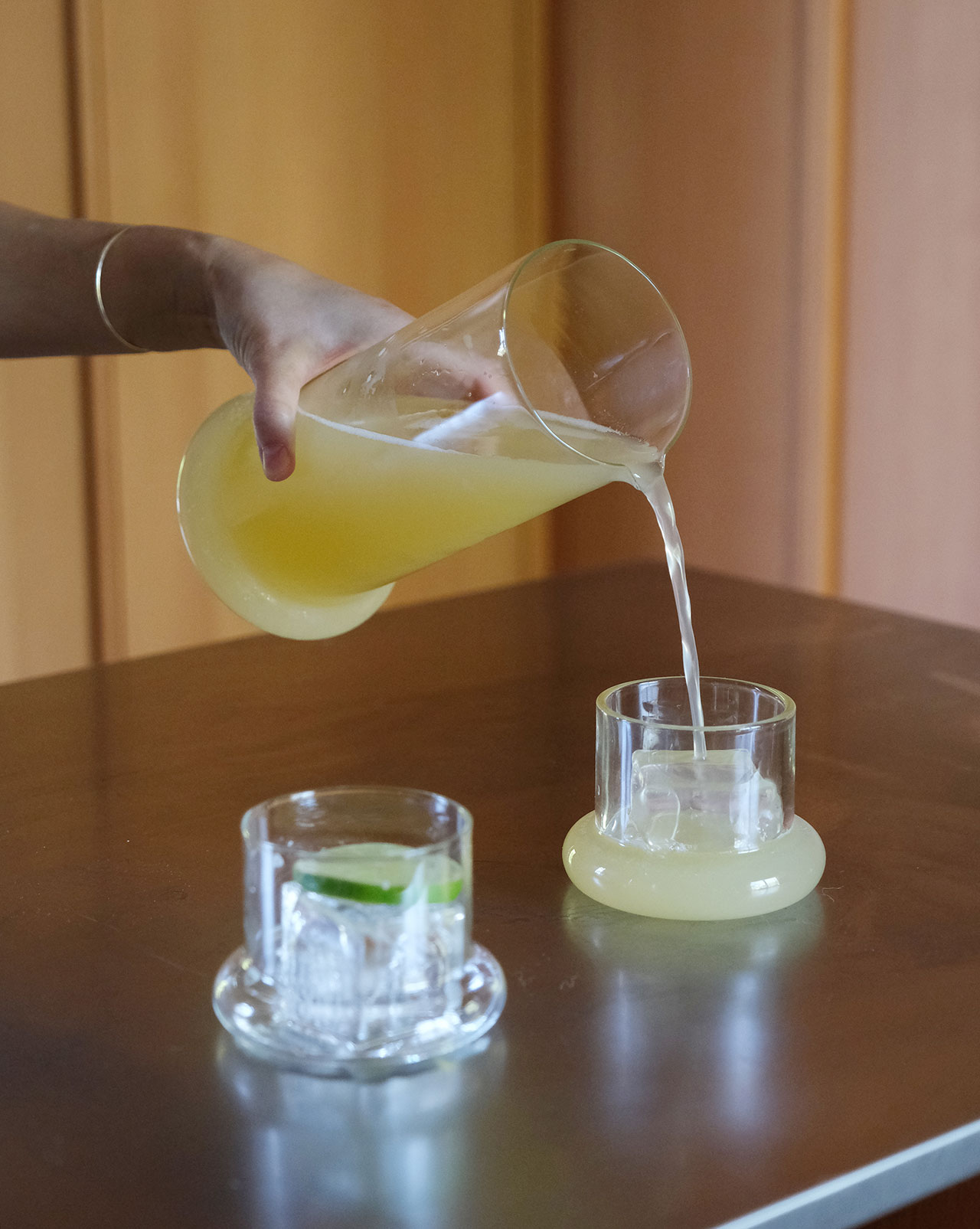
Glass tumblers and a carafe with rounded, bubble-like bases, hand-blown in North Carolina, balance delicacy with weight.
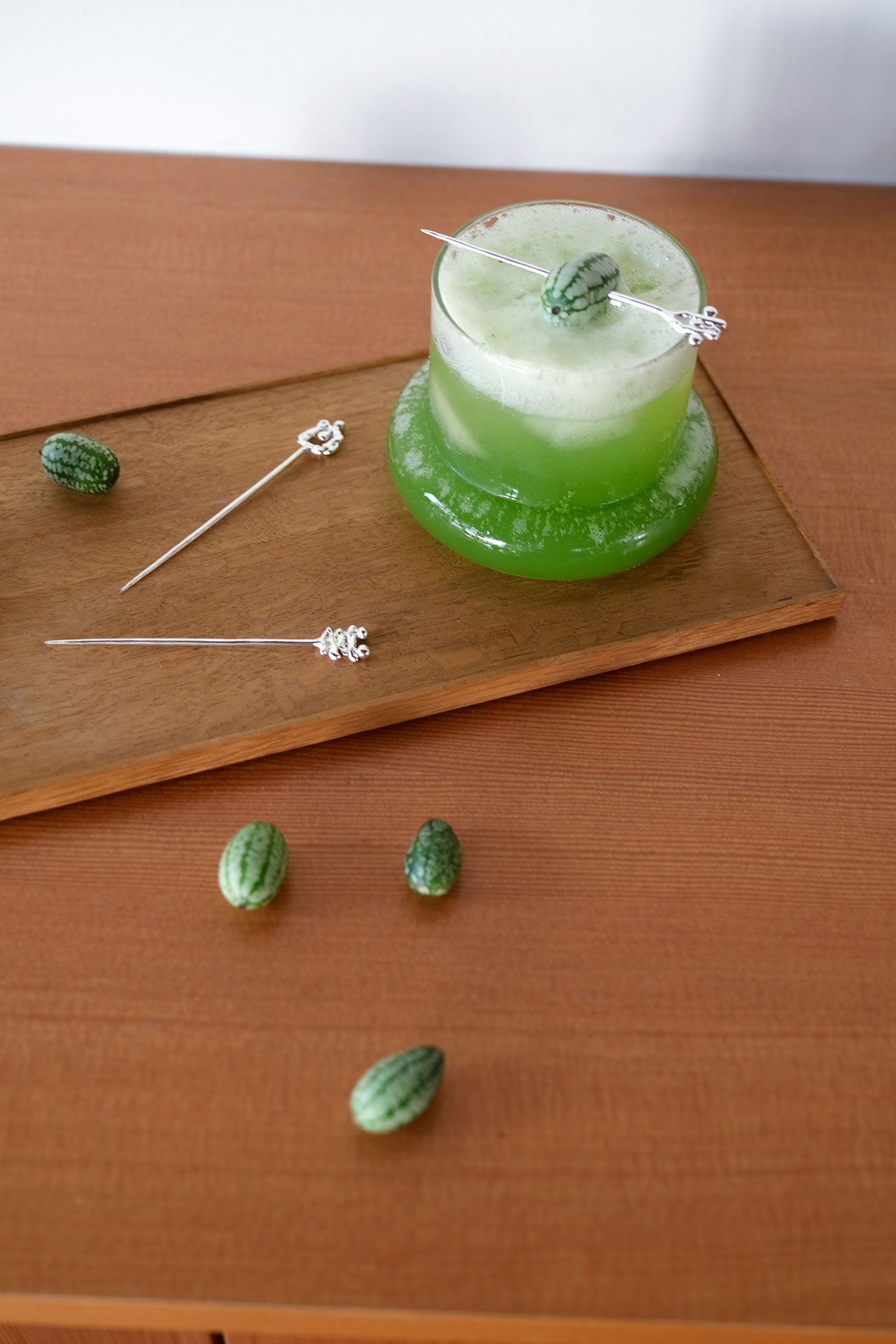
Their own objects follow the same logic. I was curious what came first: the product idea or the fabricator connection. Nancy describes the starting point not as a product brief, but as a feeling: “We’re interested in function, but mostly how something carries through everyday life, how it feels in the hand, how it occupies space, how it ages through use.”
From there, the maker becomes part of the design. “Finding the right fabricator or collaborator is an essential part of the process,” she adds. “The dialogue with the maker shapes the final object just as much as the original concept.”
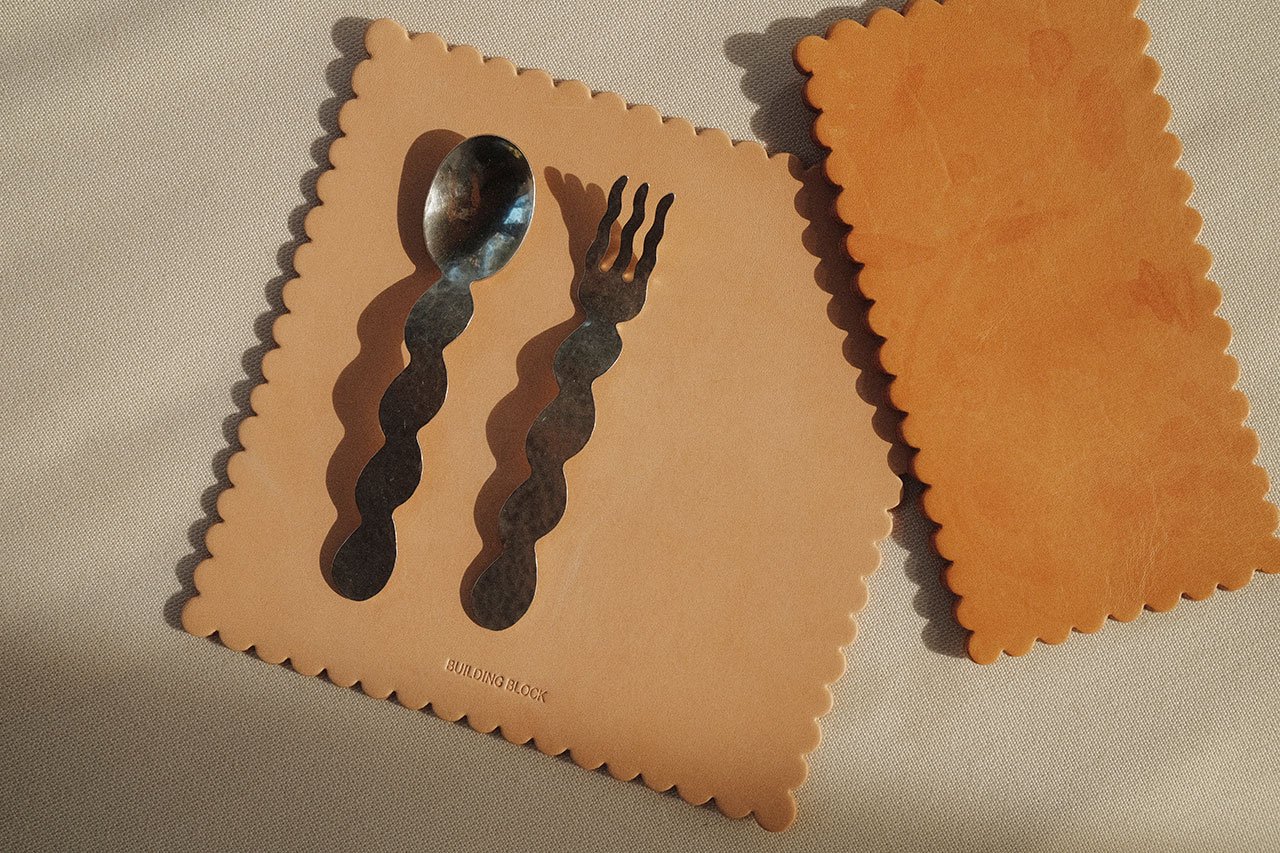
Leather scalloped “biscuit” coasters and a trivet nod to their history in bags, translating that material language into the home. A cone-ridged stainless steel cup works across contexts: ice cream, olives, salt, small snacks.
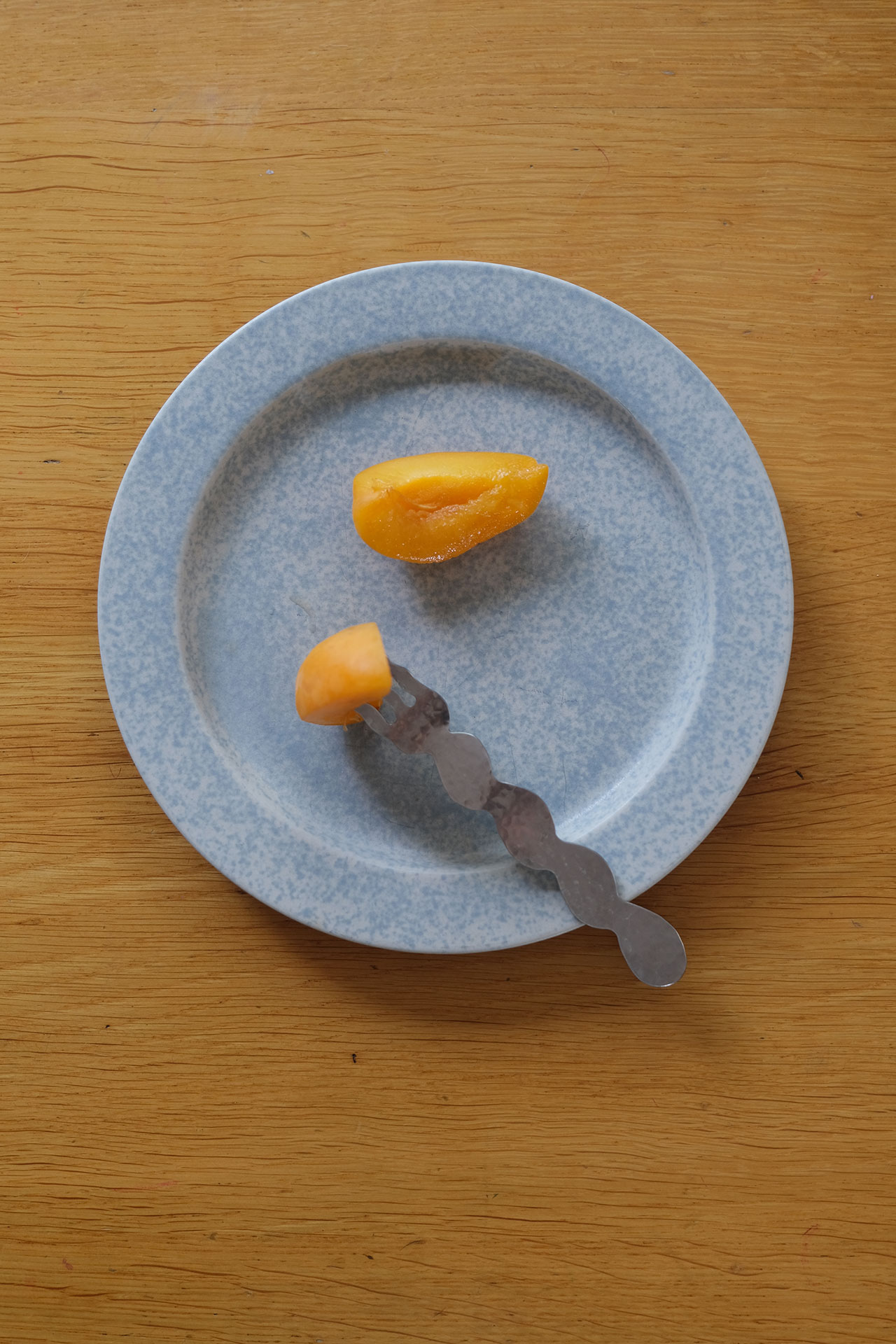
Squiggle flatware introduces a controlled irregularity, subtle but enough to shift the table.
Individually, each piece is resolved. Together, they create a coherent environment, one that prioritizes use, touch, and longevity. It is the kind of store where gifting feels intentional, and buying for yourself feels equally justified. Without the pressure of seasonal output, the space reads less like retail and more like an open studio. Not everything is explained. Some of it is held back. That restraint is part of the appeal.
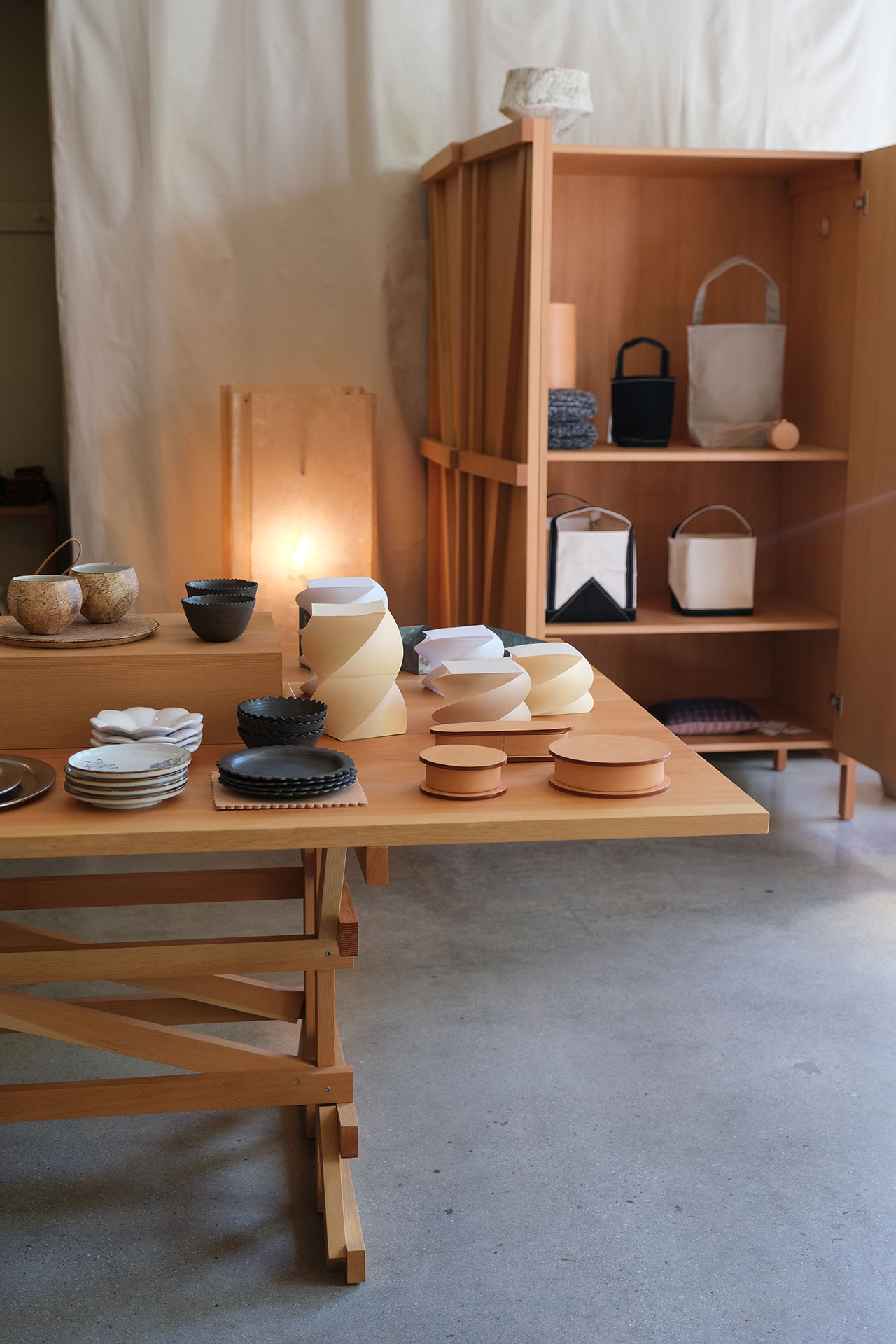
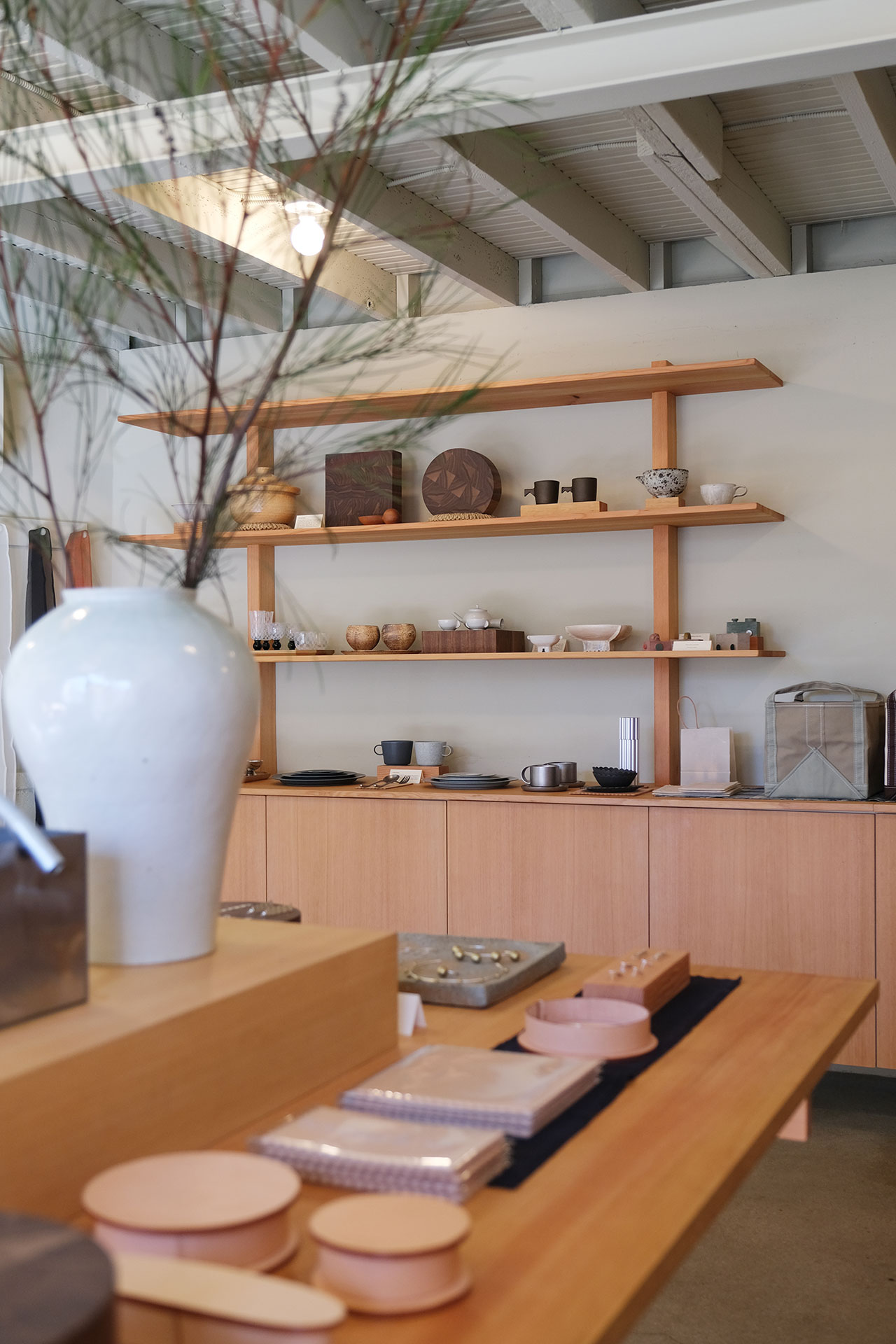
The store came before the website, intentionally. “So much of this project has been rooted in slowing down,” Kimberly explains. “We wanted people to encounter objects through touch, scale, material, and conversation.”
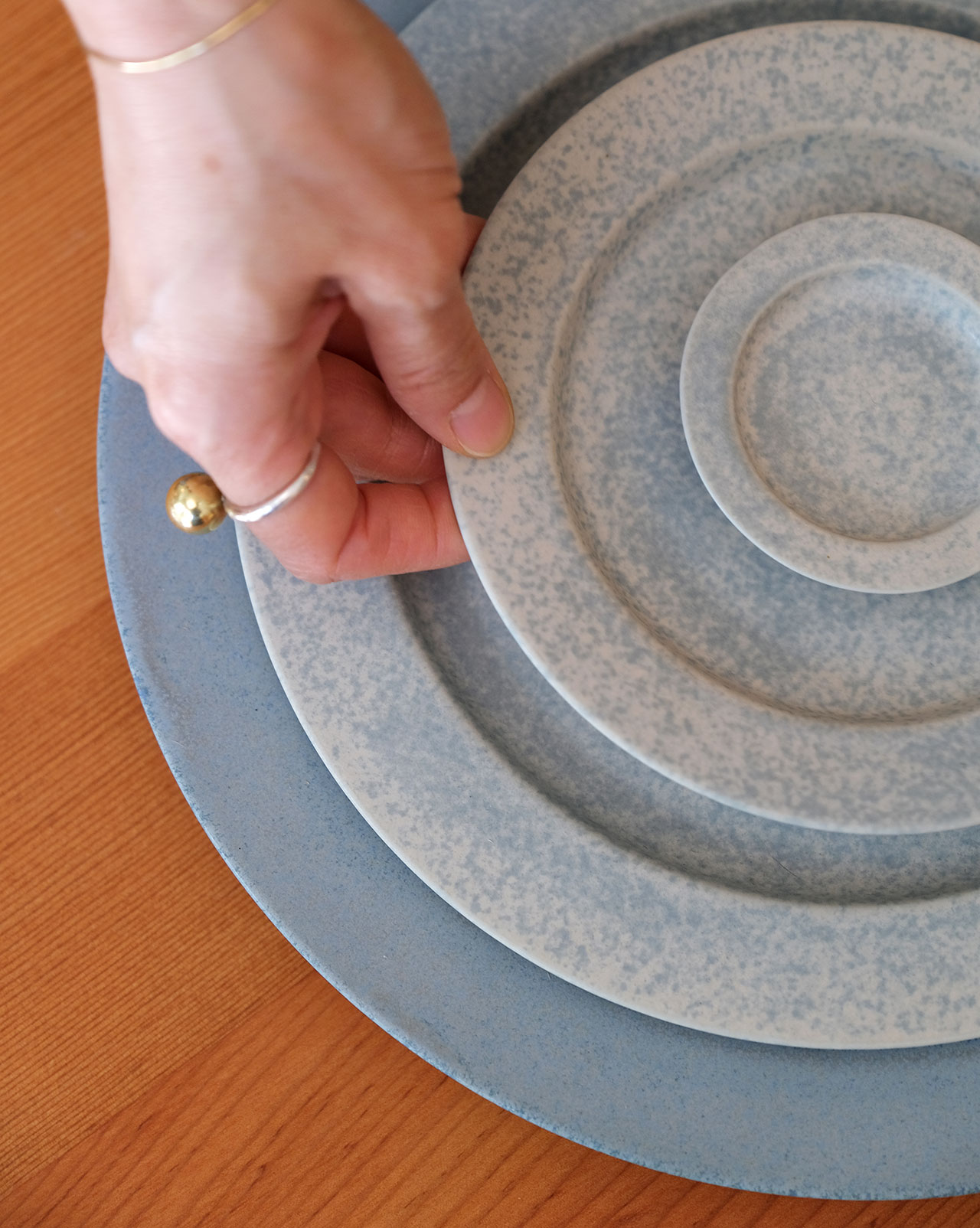
The digital presence followed as an extension of the same sensibility, not a separate identity. “We think about the website and the shop as connected environments,” she says, “both guided by restraint and a desire to let the objects speak clearly.”
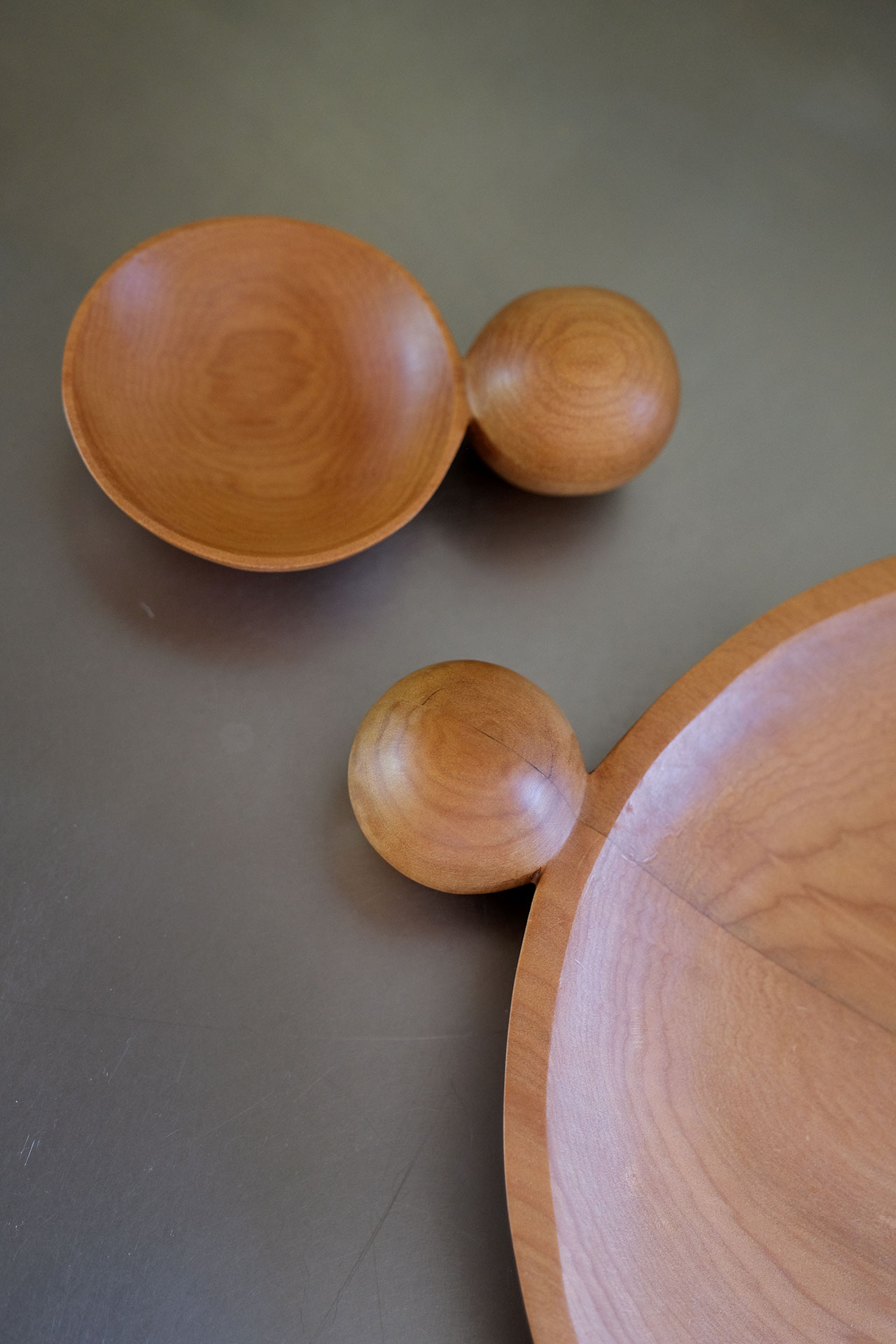
On a stretch of road most Los Angeles Eastsiders drive daily, the store acts as a quiet interruption. You pass it more than once before you register it. Then, eventually, you stop. And for anyone beyond LA’s Eastside, the online shop is now open.
As someone who has paused and pivoted, the gesture is recognizable. Not reinvention, but recalibration. Slower, sharper, more deliberate.
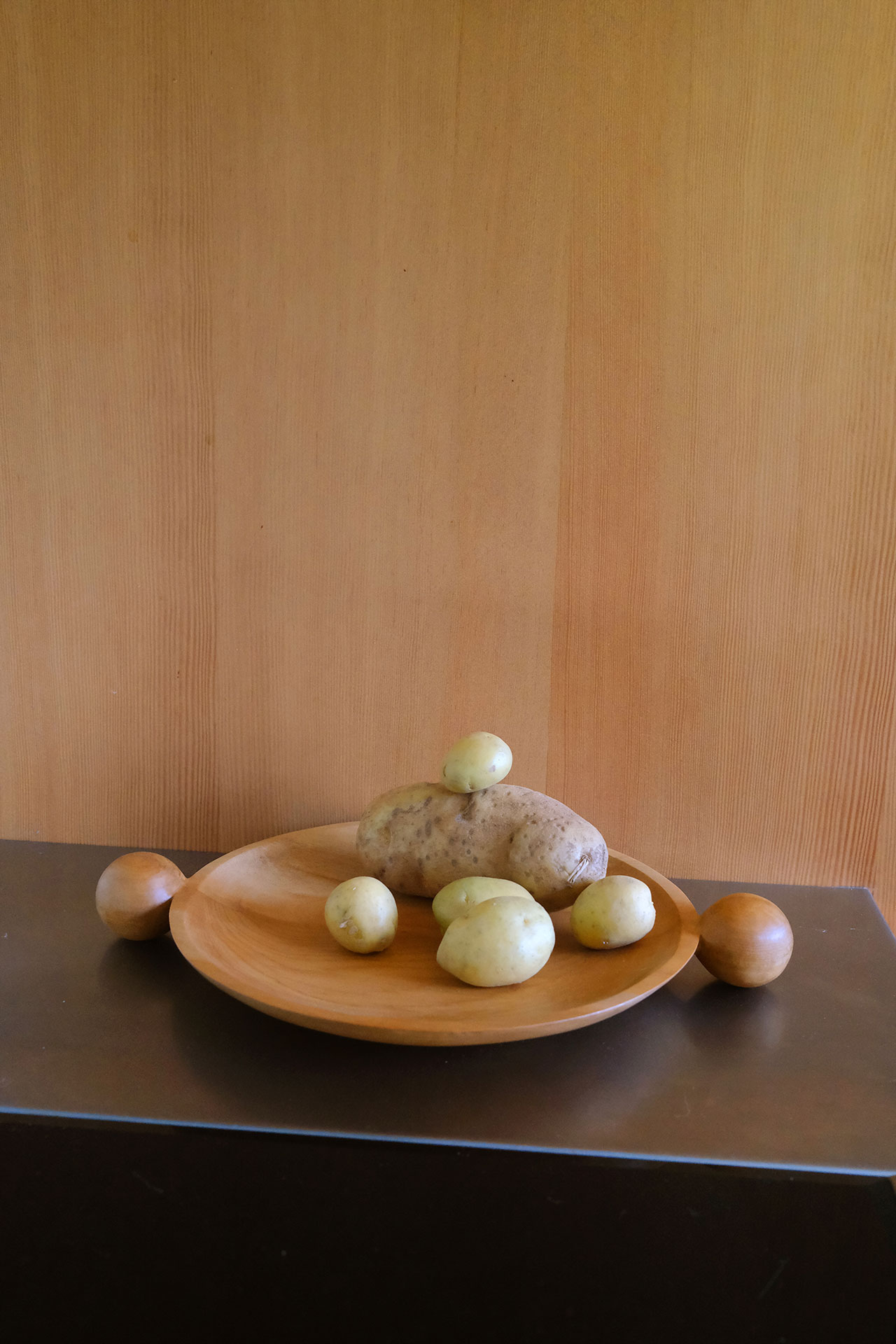
To shop the new collection, visit bbetc.shop.
Photography courtesy of Building Block Etc.