Blog
A fantastic voyage, the illusion of good taste, the art of subtraction

Weekly curated resources for designers — thinkers and makers.
“The invisible walls for designers have been broken down. Maybe we don’t know it yet, but this year is the perfect time to start reframing the influence and vision of product design within and beyond companies.”
Product design in 2026: the beginning of a fantastic voyage? →
By Kike Peña
New playbook on modern research: Building Influence through Participation →
[Sponsored] Researcher Mahad Bullo rebuilt his research model to produce 4x the output with fewer resources. This playbook reveals he turned stakeholders into active participants, structured projects around AI, and shared insights instantly. Read the playbook.
Editor picks
- Rethinking the shape of design teams in an AI world →
For our juniors, organizations, and future generations.
By Darren Yeo - The misrepresentation of “good taste” →
One of the most misleading phrases in UX at the moment.
By Maria Taneva - The web trained AI to deceive →
Now designers have to un-train it.
By Arin Bhowmick
The UX Collective is an independent design publication that elevates unheard design voices and helps designers think more critically about their work.
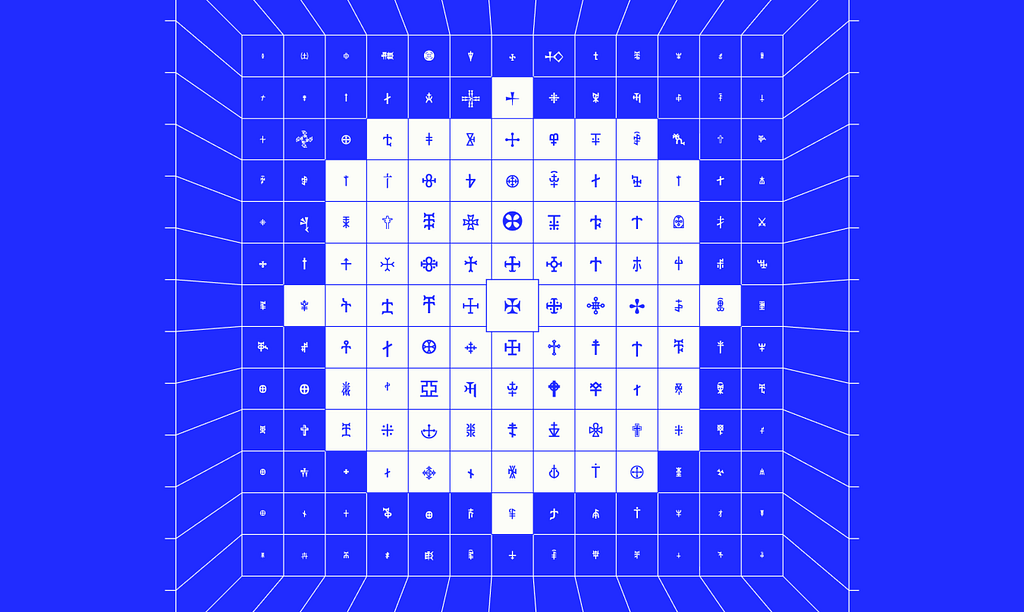
Charcuterie: a visual explorer for Unicode →
Make me think
- Thoughts and feelings around Claude Design →
“Why fuss around in a lossy approximation of the thing when you can work directly in the medium where it will actually live? If we want to make pottery, why are we painting watercolors of the pot instead of just throwing the clay?” - I love AI, but it still can’t design for shit →
“People. This is basic. You are accountable for your output. The AI does not look bad if your AI slop is on show. You do. Especially if the person the other end knows anything about how these models work.” - Expansion artifacts →
“Every AI-generated output is an extrapolation from that blurry source, vectored toward your prompt, filling in plausible detail where the compression threw information away. The output gets inflated into blog posts and LinkedIn thoughtspam, software platforms, omnichannel advertising campaigns, and movie cameos from dead actors. Chiang compared the gaps and confabulations to compression artifacts.”
Little gems this week
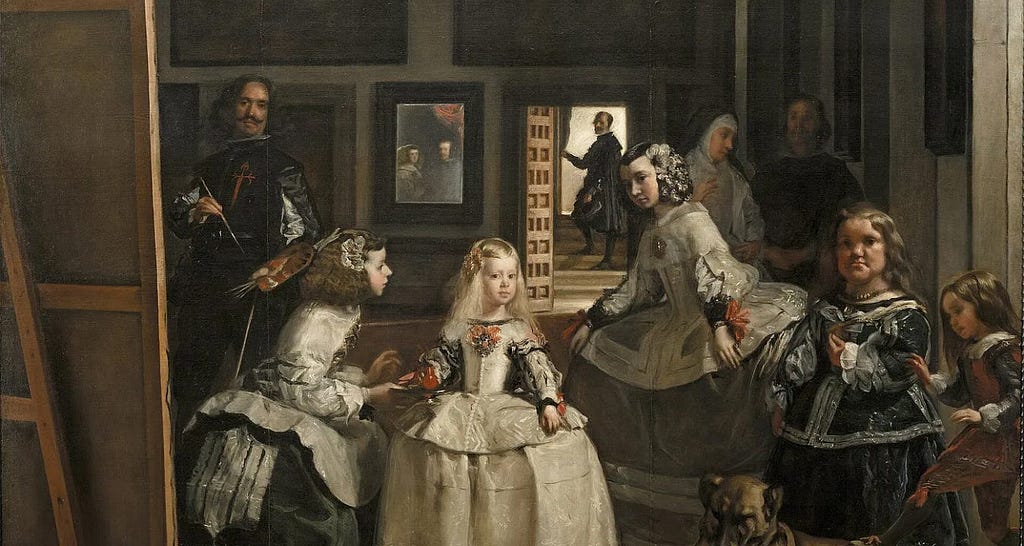
The art of subtraction in a world of infinite features →
By Luis Hermosilla
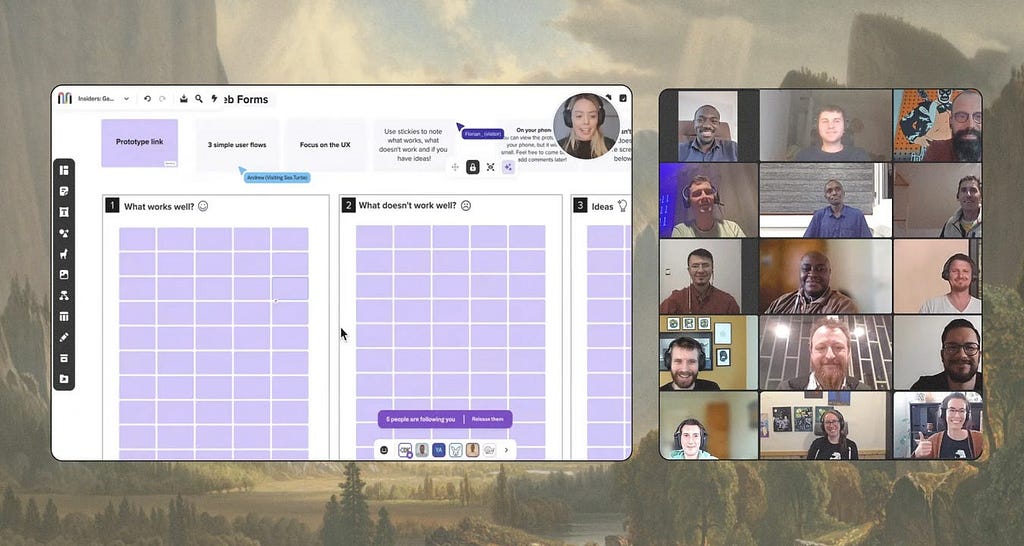
Learnings from designing open source technology →
By Aly Blenkin
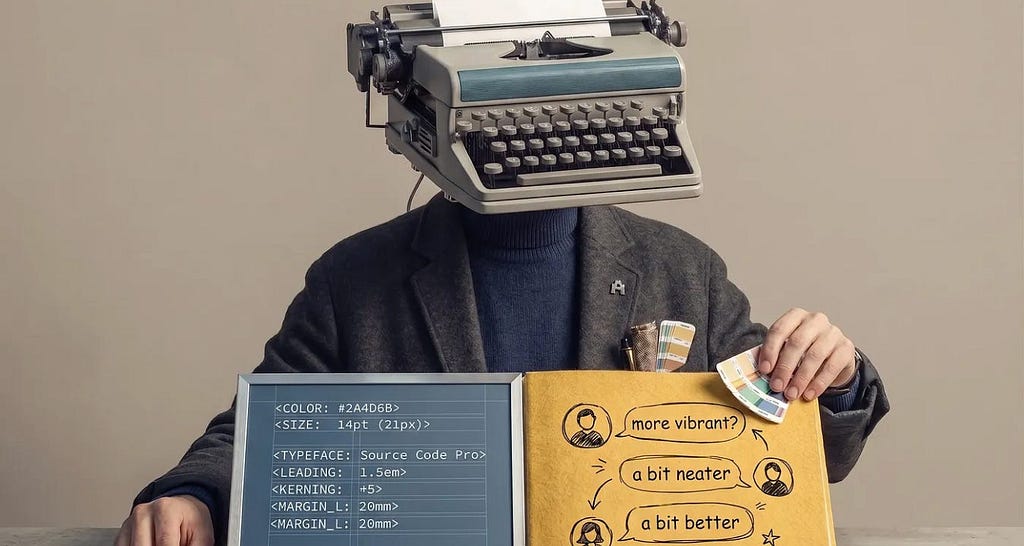
AI is ruining the way you talk about your work →
By Hoang Nguyen
Tools and resources
- The rulebook for designing AI experiences →
Guidelines from three of the largest tech companies.
By Dora Czerna - Becoming an AI-native designer →
On demos, tacit knowledge, and building your own scaffolding.
By Sen Lin - How to mitigate risks with AI →
AI that simply makes sense in an enterprise environment.
By Matt Jedraszczyk
Support the newsletter
If you find our content helpful, here’s how you can support us:
- Check out this week’s sponsor and support their work too
- Forward this email to a friend and invite them to subscribe
- Sponsor an edition

A fantastic voyage, the illusion of good taste, the art of subtraction was originally published in UX Collective on Medium, where people are continuing the conversation by highlighting and responding to this story.