Blog
Apple M5 Pro and M5 Max Debut New “M-Core” Tier and SoIC 2.5D Packaging

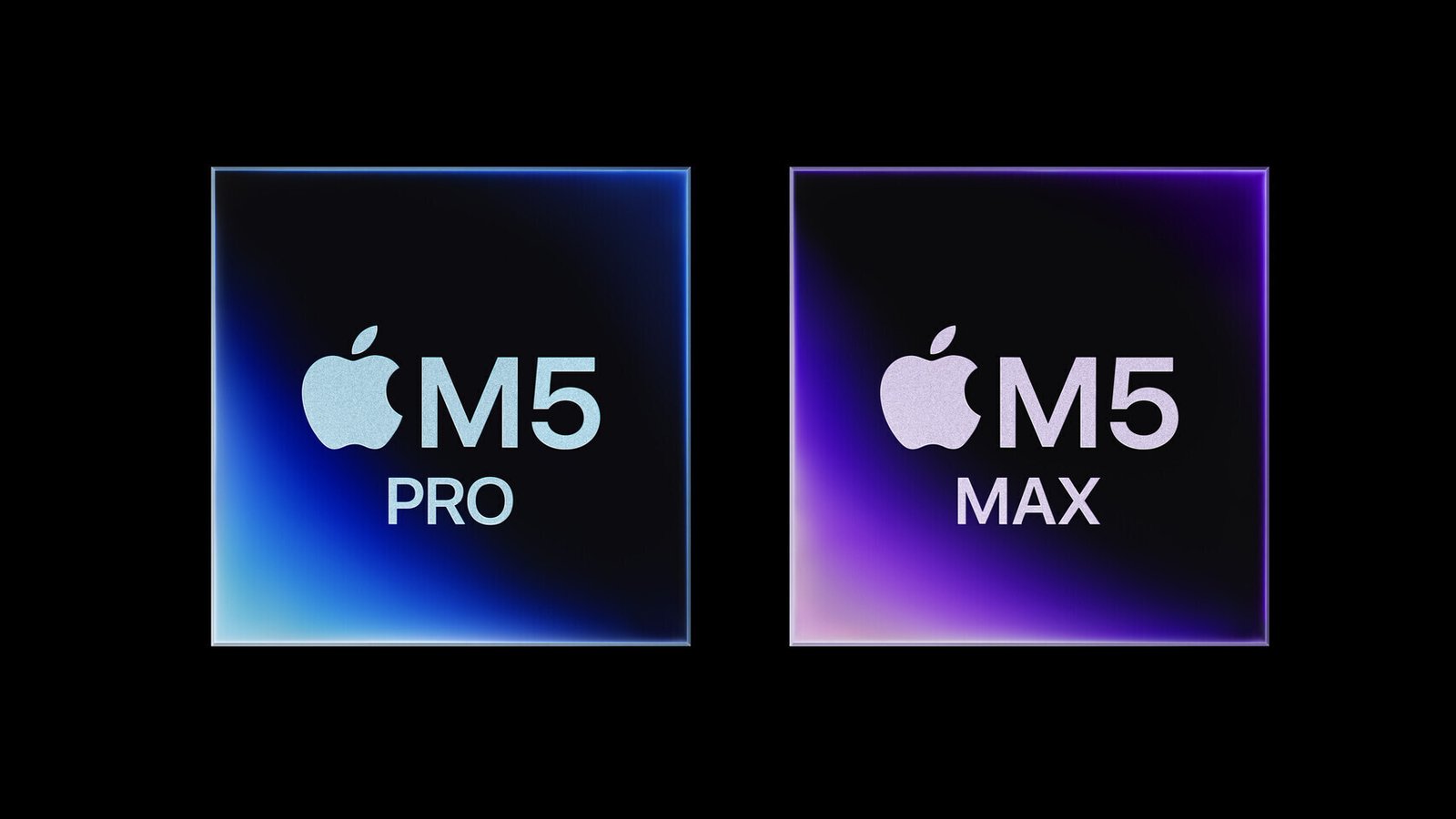
Inside these new SoCs, the six super cores run at 4.61 GHz, while the M-cores run at 4.38 GHz. The M-core is a 7-wide out-of-order execution CPU that has roughly 70% of the P-core performance with slightly lower power usage. This new core tier is expected to boost the multithreaded performance of the M5 Pro/Max processors by up to 20%, according to some preliminary estimates found on Chinese Baidu forums. For the M5 Pro, Apple has included 16 MB of cache for the super cores, 16 MB of cache for the M-cores, and 24 MB of memory cache. The memory choice is LPDDR5X, which runs at 9,600 MT/s and offers up to 64 GB of capacity. In the M5 Max, the core cache remains the same, but the memory cache is increased to 48 MB, and the memory capacity is upgraded to a configuration of up to 128 GB. Both SoCs feature GPU cores that run at 1.62 GHz, with the M5 Pro having a 20-core iGPU and the M5 Max having a 40-core iGPU.
One of the most interesting innovations is the use of TSMC’s SoIC-MH 2.5D, which marks Apple’s first true chiplet design. Previously, Apple’s “Ultra” SoCs were technically chiplet designs that simply bonded two dies together to create a single massive SoC. However, with the new SoIC-MH 2.5D technology from TSMC, Apple has separated the CPU/NPU from the GPU, moving away from the monolithic design era that limited scaling opportunities for M-series SoCs. Now, Apple can independently scale the size of the CPU clusters with more cores and scale the GPU die with many more cores. This allows for the creation of more SKUs without having to maintain the die size near the reticle limit of 830 mm², improving yield and saving Apple from dealing with the high number of defective dies that a large silicon area can cause.