Blog
HDD and SSD Shortages Drive Customers to Sign 5-Year Supply Contracts

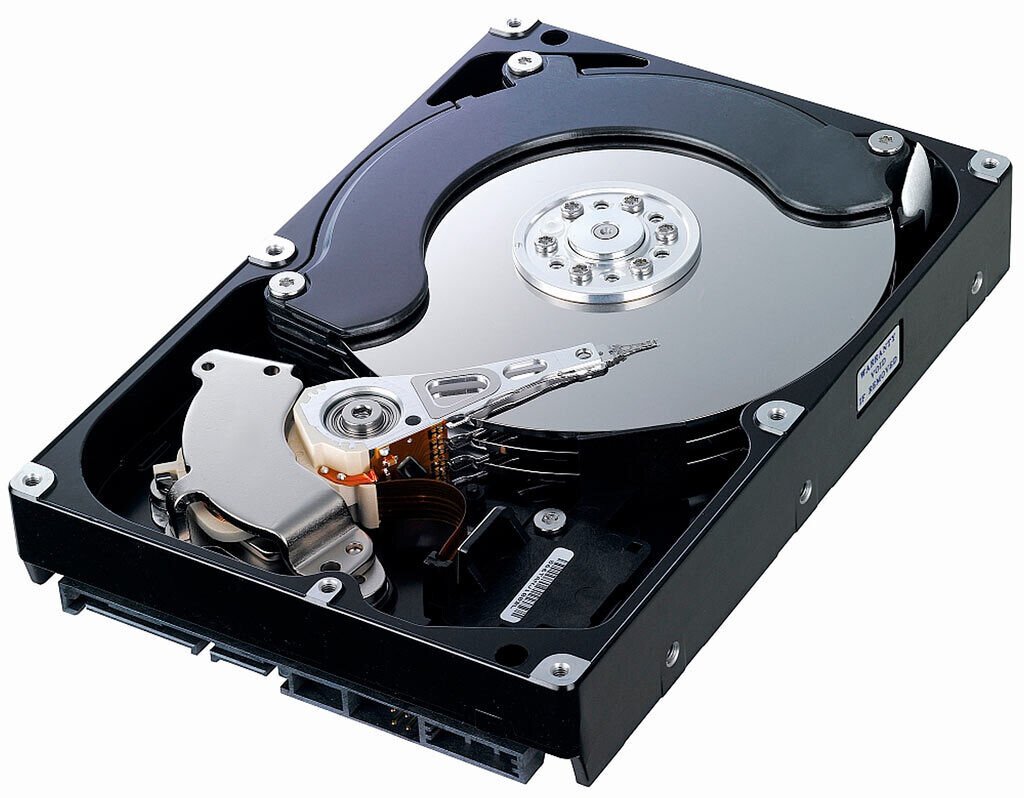
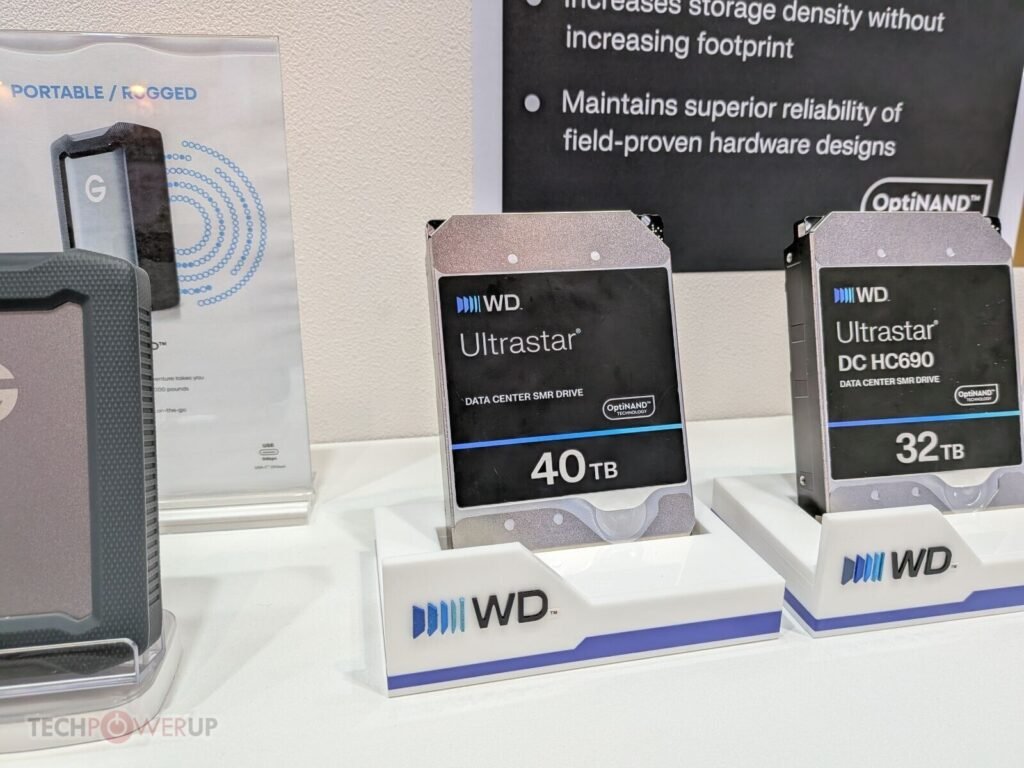
For example, at the start of this year, we reported that HDD prices have soared by an average of 46% since mid-September. These changes have made spinning rust an expensive commodity, but this is minor compared to NAND Flash prices, which have increased 500% in just a few months. The expansion of AI data centers has depleted any remaining inventory of HDDs and SSDs, leaving the consumer PC market to compete for the few remaining units available for gaming PCs. Interestingly, HDDs contain almost no silicon for storage purposes, so their significant price increases are a supply chain issue unrelated to the semiconductor industry. Apart from the controllers that use silicon, HDD platters are made from materials that are not currently in short supply. However, high demand keeps their prices elevated.
The surge in HDD demand is driven by heavy procurement of high-capacity units by major U.S. cloud service providers and hyperscalers. Concerns about SSD data retention have also led some customers and policymakers to prefer HDDs for certain workloads. Large cloud operators are expanding their exabyte-class storage for AI, analytics, and archival needs. Manufacturers report near-full utilization rates as demand extends beyond traditional surveillance and backup applications. In particular, AI infrastructure requires massive data storage for model training, prompting AI labs to incorporate some HDD-based storage where speed is not a priority.