Blog
Steam Will Estimate Game FPS Before Purchase to Show Expected PC Performance

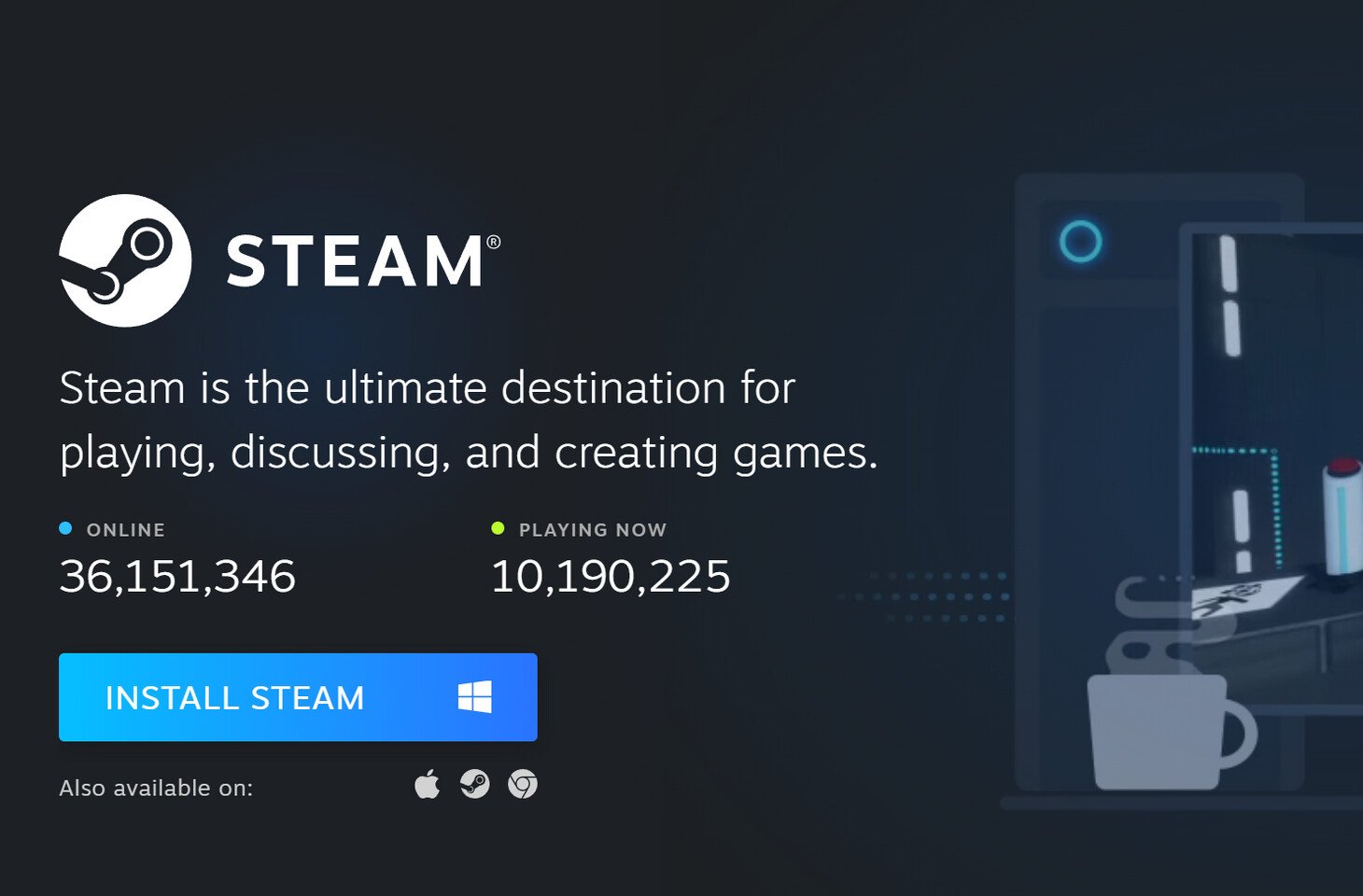
Additionally, Valve has already started asking users for anonymous FPS data collection about a month ago whenever they run a game. With this data pool, likely involving millions of participants, Valve aims to build a system that estimates your FPS output based on your specific PC configuration, without needing to run a game first. Reportedly, this feature will appear in the Steam Client and show how much performance your PC can deliver before you even purchase a game. This is a classic recommendation system that will indicate what your configuration typically delivers at specific game settings and resolutions.
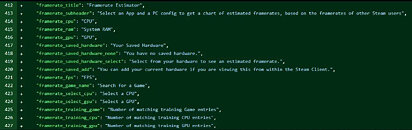
In the world of DIY PC building, there are countless configurations gamers can choose from. Starting with the CPU, options diverge into AMD and Intel, each with numerous models over many generations. Then there are GPUs from AMD, Intel, and NVIDIA, which also vary across generations and configurations, each running with specific drivers on different operating systems. To add to the diversity, systems have different types of DDR memory like DDR3, DDR4, and DDR5, all installed in various capacities and running at different timings, depending on the CPU host. This variance in configurations makes it almost impossible to get an accurate system performance estimation without the resources of Valve to create a system, likely similar to AI recommendation engines, to estimate your PC’s performance accurately within a margin of error.