Blog
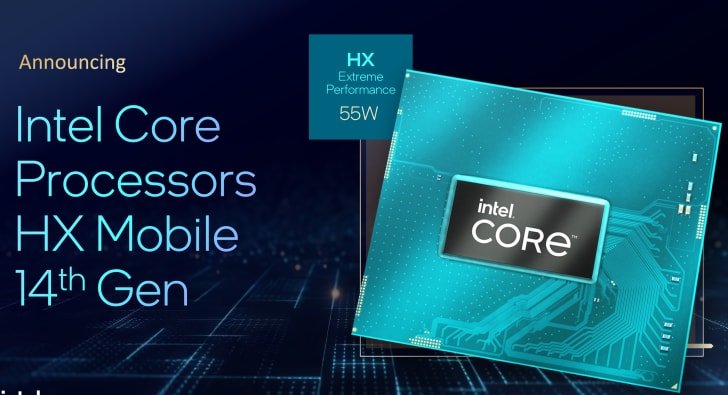
14th Gen Core “Raptor Lake” Will Continue to be “Abundantly Available,” Says Intel

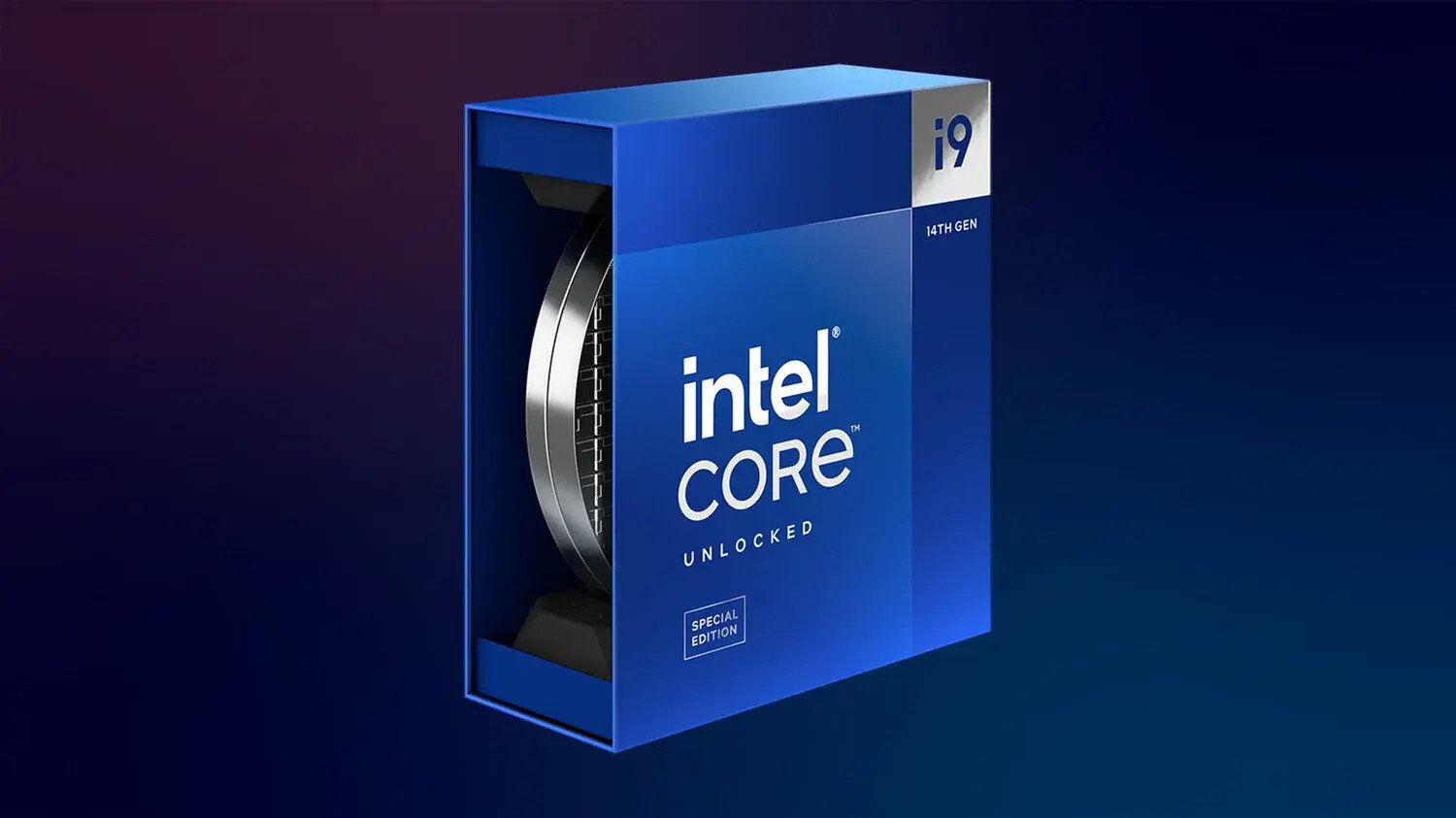
“Raptor Lake is a big part of our strategy – I want to be very clear about that,” says Hallock. “It’s still really, really good, even with multiple generations of hardware from other vendors coming after it, so it’s not going anywhere. I want people to understand that Raptor Lake will continue to be abundantly available,” Hallock said. “You’ve also seen some new motherboard announcements that support both DDR4 and 5 on Raptor Lake, as kind of like a bridge between worlds for people,” he added. “That is reflective of our overall confidence and expectations.” Companies like ASRock are already innovating such boards, and we could expect more such products in 2026.
For Intel, a continued market presence of 14th Gen Core processors and the LGA1700 platform serves two key goals. Firstly, “Raptor Lake-S” is a monolithic chip that’s made on the Intel 7 foundry node. This would keep the node active even as the latest “Arrow Lake-S” is made almost entirely on TSMC nodes such as the 3 nm N3B for the Compute tile, 5 nm N5P for the Graphics tile, and 6 nm N6 for the SoC and I/O tiles; with only the base tile (an interposer) being built on a mature Intel node.
The second reason Intel would want “Raptor Lake” to be around is that like “Alder Lake,” it supports both DDR4 and DDR5 memory types. Intel’s original goal was to enable transition between the two memory types, but the recent acute shortage of DDR5 memory and its ensuing pricing crisis means that gamers are mopping up DDR4. Even when paired with DDR4, “Raptor Lake-S” offers contemporary gaming performance that’s superior to any AMD Socket AM4 processor.
That said, AMD continues to launch new Socket AM4 processors by boosting their gaming performance with 3D V-Cache. The latest example of this would be the Ryzen 5 5500X3D, a 6-core/12-thread chip with 3D V-Cache, that offers good gaming performance for entry-mainstream gaming PC builds with DDR4 memory.