Blog
TSMC’s ecosystem grows as Taiwan promotes investment links to Trump’s America

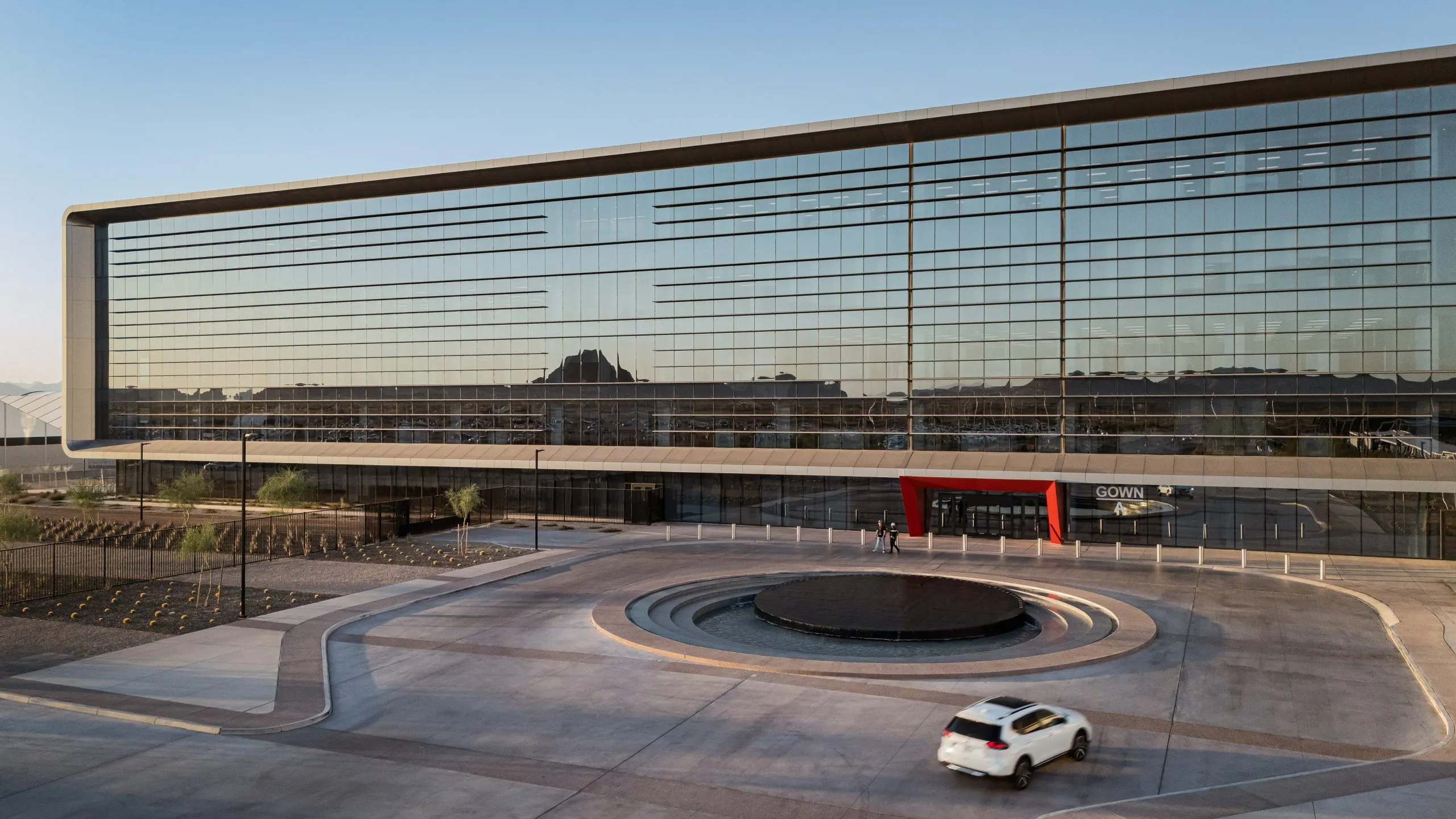
At the same time, the foundry giant continues to husband its foreign investment (FDI) carefully.
The move comes amid growing confidence from TSMC about its US operations. It will commit the bulk of the FDI, now standing at $165bn.
It is likely to be joined by at least another 20 Taiwanese AI server, wafer and other technology companies. They have earmarked a combined $35bn and include UMC, Foxconn, GlobalWafers and Wistron. Up to $50bn in guarantees is being made available by the Ministry of Economic Affairs.
Huge resilience and onshoring orders from US companies have bolstered TSMC’s move to Arizona. In March, Apple lodged a 100-million-chip commitment.
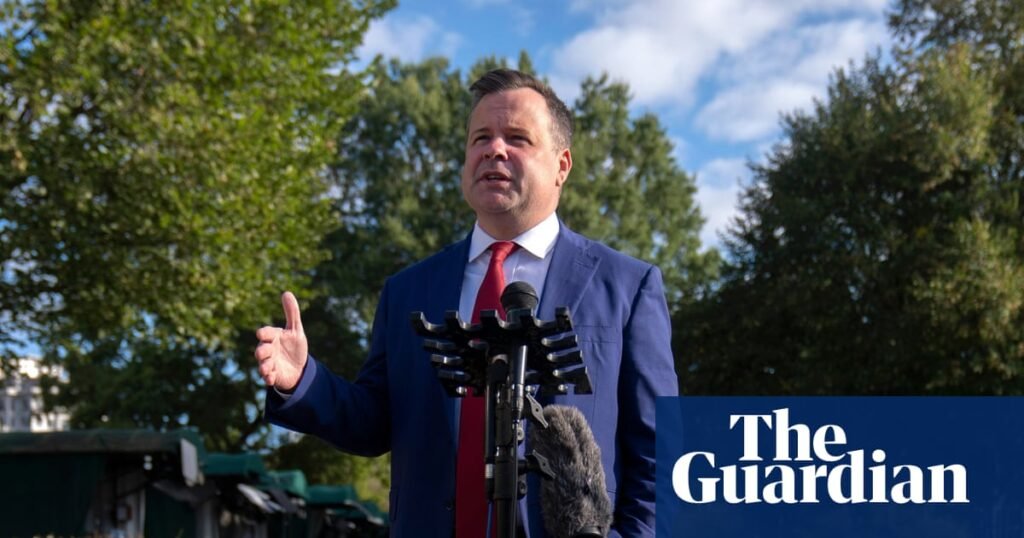
Moreover, according to TSMC’s deputy COO Cliff Hou (pictured), the company is getting beyond issues that dogged the construction of Arizona’s Fab 1 so that work on the second and third is “six months ahead of our first construction”.
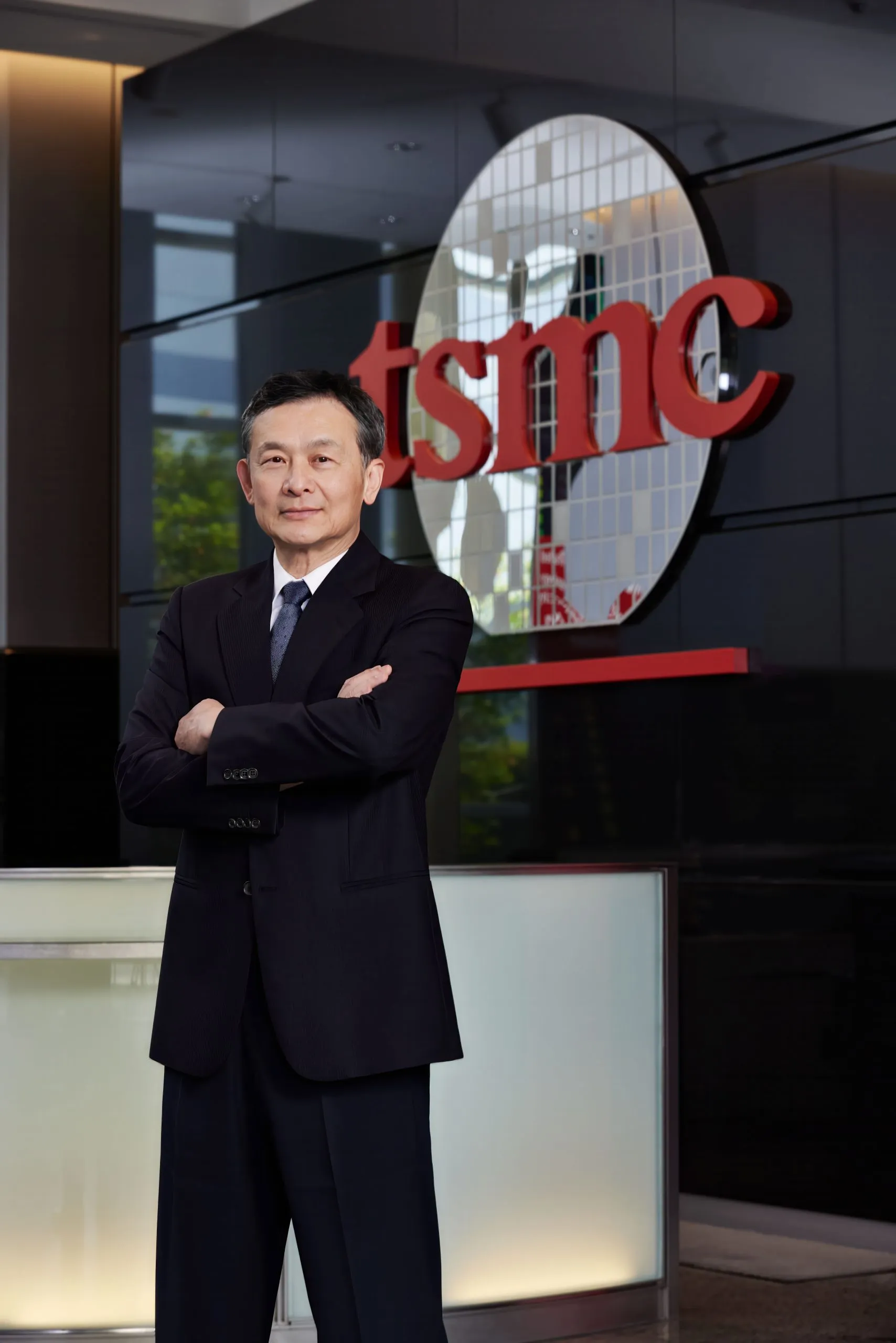 Hou attributes this to having gradually developed a closer understanding with US partners.
“With the first one, we were quite new to them and they were new to us, so it took time for them to understand what we really require. We also needed to convince them why we had to do it this way,” he told last week’s SelectUSA FDI conference in Washington DC.
“Right now, through our first years [in the US] – our first fab experience – I think we have built a very good relationship and also a partnership. With the announcement of our new fab, they [our suppliers] have been able to keep the same workers working on the same [type of] project.”
Further Taiwanese investment around TSMC will be welcomed by Silicon Valley customers concerned about supply chain resilience and the potential impact of tariffs.
In many cases, US-produced chips have still needed to be shipped overseas for test, packaging and insertion into final products making them vulnerable to the Trump administration’s mercurial regime.
Analysts have noted that TSMC’s capital investment programme has nevertheless been less aggressive than that of its hyperscaler end-users. Hou said that the company is eking out more from its fabs by itself using artificial intelligence (AI).
“Building a new process [node] takes two-and-a-half to three years, so how about using existing capacity? Use AI to improve your current process, optimize your design or your flow, or generate more output from your current facility,” he said.
“So [with AI] we can swap capacity, swap technologies and we can better utilize whatever capacity we have. In the old days, that was very complicated. It was, I think, beyond what a human being could comprehend. But today, you can use AI to simulate multiple [manufacturing] stages, even hundreds of stages.”
Taiwan sent 113 companies to the SelectUSA event. The island state is working hard to promote its economic partnership with the US because of rising concerns that China could invade or otherwise seek to economically subjugate what Beijing regards as a rebel province.
Phoenix rises and vies for ‘Silicon Canyon’ status