Blog
Taxes on UK workers have risen at fastest rate in rich world, says OECD | Tax and spending

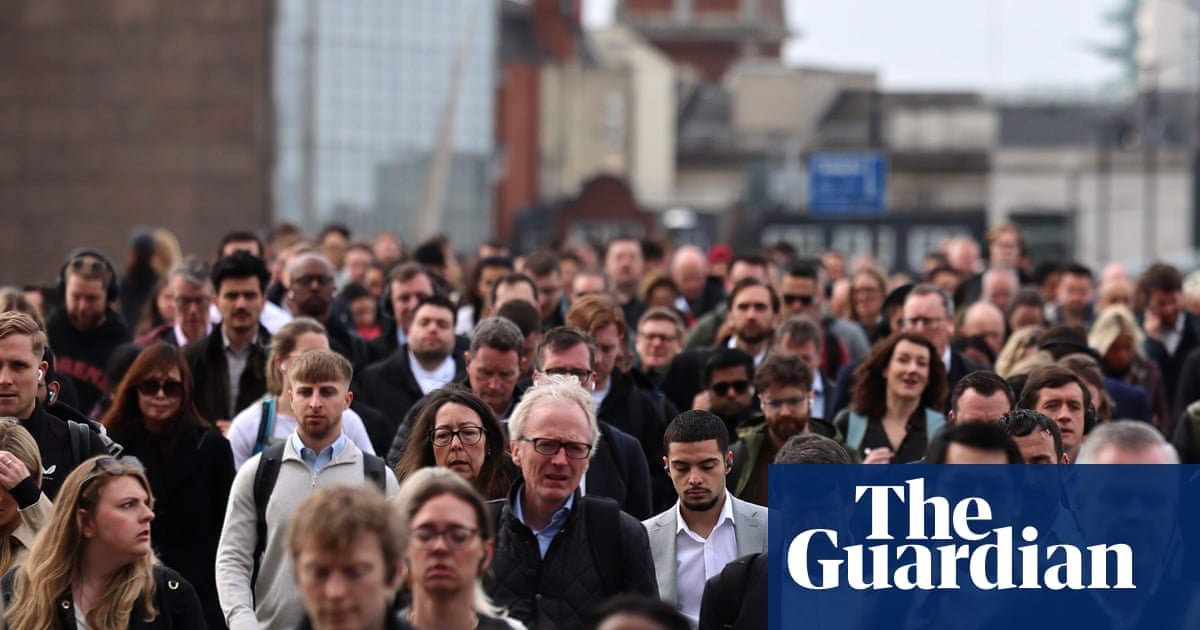
Taxes on workers in Britain rose at the fastest rate among the world’s richest economies last year, according to the Organisation for Economic Cooperation and Development.
With Labour under pressure on the economy amid the Iran war, the OECD said a key measure of the total tax paid by workers and their employers rose by the most in the 38-member club of rich nations in 2025.
In its annual study of taxes on work across the developed world, the Paris-based organisation said Britain’s “tax wedge” – which estimates total taxes on labour paid by employees and employers, minus cash benefits received by working households – rose by 2.45 percentage points last year.
Based on the tax rates for a single worker earning the average wage, it said 24 countries recorded an annual rise in the tax wedge last year, while the rate fell in 11 and stayed the same in three.
It said the rise in the UK was linked to the 2024 autumn budget by the chancellor, Rachel Reeves, who raised the rate of national insurance contributions (NICs) paid by employers. The budget also increased “fiscal drag” – the phenomenon where the tax take rises when payment thresholds are not increased each year in line with inflation.
The next biggest increase was in Estonia, where the tax wedge rose by 1.95 percentage points. The only other countries to record increases greater than 1 percentage point were Germany (1.34 percentage points) and Israel (1.09 percentage points).
Despite the rapid increase, the measure of tax on work in Britain, at 32.4%, remained below the OECD average of 35.1%. It ranges from 0% in Colombia to 52.5% in Belgium.
Labour had promised not to raise taxes on working people before Keir Starmer’s election landslide in 2024. However, the OECD analysis includes taxes on labour paid by employers, as well as employees.
The chancellor has argued her tax measures were necessary to repair Britain’s battered public finances and to fund services run down over 14 years of Conservative-led government.
However, Labour has faced stiff criticism for its tax and spending decisions since coming to power and overall taxes as a share of the economy are at their highest level since the second world war.
Last week, the International Monetary Fund forecast taxes as a share of the economy in the UK were set to climb at the fastest rate in the G7 between 2024 and 2031 – a feature expected to be highlighted in the fund’s upcoming consultation on Britain’s economy scheduled next month.
Business leaders have repeatedly criticised the chancellor over her decision to increase the rate of employer NICs from last April, as well as over the government’s increase in the minimum wage and plans to strengthen employment rights.
Unemployment has risen sharply since Labour came to power almost two years ago. Although official figures this week showed the headline rate unexpectedly fell from 5.2% in the three months to January to 4.9% in the three months to February, it remained above the 4.2% level before the 2024 election.
Some of the biggest declines in employment have been in lower-paying sectors, which are among the most exposed to the tax rises, including hospitality, leisure and retail. However, Labour’s allies argue changes were necessary after years of sluggish pay growth and job insecurity for millions of workers.
Experts have warned the economic damage from the Iran war could drive up unemployment, as the price shocks triggered by the conflict hit the already strained finances of households and businesses.
In its half-yearly world economic outlook report last week, the IMF said a further escalation in the Middle East conflict could trigger a global recession that would affect the UK more than any other G7 nation.