Blog
Starmer orders inquiry into any security concerns over Mandelson’s tenure in US | Keir Starmer

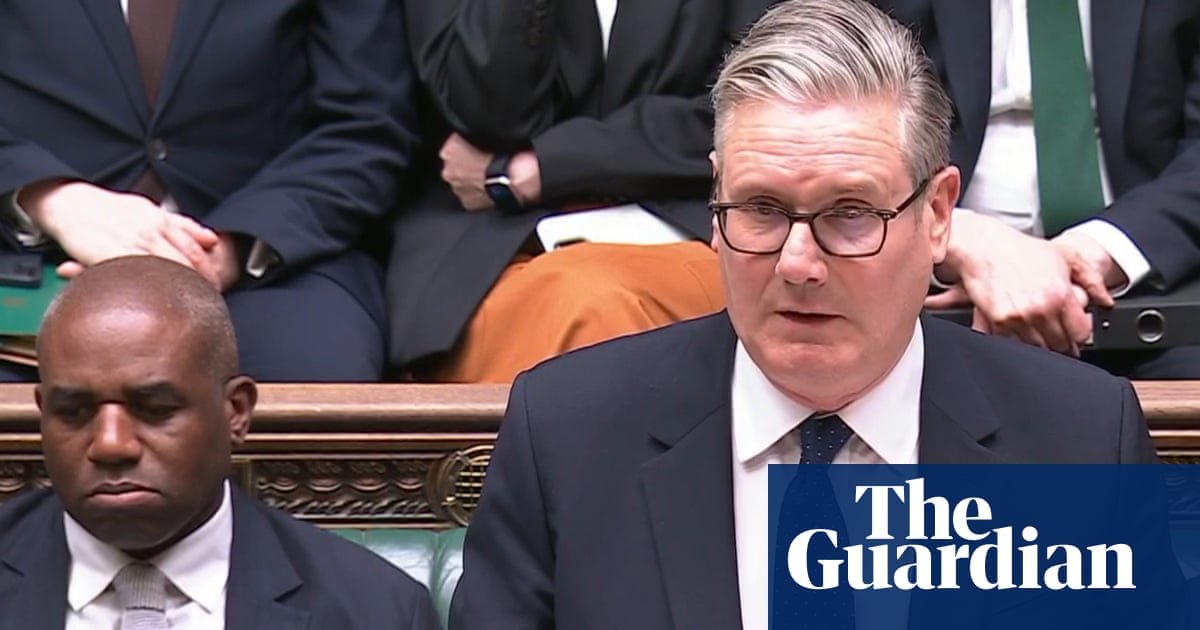
Keir Starmer has ordered an investigation into any security concerns relating to Peter Mandelson’s tenure as UK ambassador to the US as he gave his side of events in a politically crucial statement in parliament.
“I know many members across the house will find these facts to be incredible,” Starmer told jeering MPs, after setting out how the Foreign Office opted to overrule the initial decision to refuse Mandelson’s security vetting without informing him and other ministers.
He said: “To that I can only say they are right. Throughout the whole timeline of events, officials in the Foreign Office saw fit to withhold this information from the most senior ministers in our system in government. That is not how the vast majority of people in this country expect politics, government or accountability to work, and I do not think it’s how most public servants think it should work either.”
He added that the Foreign Office had been stripped of its powers to overrule vetting decisions.
Setting out a detailed timeline of events that ended up with the Guardian revealing last week how Mandelson had been initially denied vetting clearance, Starmer began with an acceptance that he had made a grave mistake in the first place with his choice of ambassador.
“Before I go into the details, I want to be very clear with this house that while this statement will focus on the process surrounding Peter Mandelson’s vetting and appointment, at the heart of this there is also a judgement I made that was wrong,” he said. “I should not have appointed Peter Mandelson.”
Responding for the Conservatives, Kemi Badenoch said the concerns “go beyond propriety and ethics – this is a matter of national security”, adding that Starmer potentially broke the ministerial code by not updating MPs last week.
The Tory leader went on: “At every turn, with every explanation, the government story has become murkier and more contradictory. It is time for the truth.”
Mandelson’s vetting took place in December 2024 and January 2025, after his appointment had already been announced, Starmer said, adding that this was in line with procedures for political appointments but they had now been changed so that vetting had to be done first.
On 28 January 2025, he continued, UK Security Vetting (UKSV) “recommended to the Foreign Office that developed vetting clearance should be denied to Peter Mandelson”, but the Foreign Office opted to overrule this, a power not available to other departments. This power was suspended by No 10 last week after the news emerged, Starmer said.
He understood why sensitive personal vetting information had to be kept confidential, Starmer said, but he found it impossible to understand why the fact Mandelson had been initially refused was not passed on. “There is no law that stops civil servants sensibly flagging UKSV recommendations while protecting detailed, sensitive vetting information, to allow ministers to make judgments on appointments or on explaining matters to parliament,” he said.
“Had I known before he took up his post that the UKSV recommendation was that developed vetting clearance should be denied, I would not have gone ahead with the appointment.”
Starmer called it “astonishing” that when the then head of the civil service, Chris Wormald, carried out a review into the appointment after Mandelson was sacked in September 2025, and reported that normal processes were followed, the Foreign Office still did not tell him.
At the same time, he said, the Foreign Office’s head civil servant, Olly Robbins, who was removed from his post last week, gave a statement to a Commons committee saying vetting was conducted to the usual standard, which was signed by the foreign secretary.
Starmer said: “Let me be very clear to the house – this was in response to questions which included whether concerns were raised, what the Foreign Office response was, and whether they were dismissed.
“That the foreign secretary was advised on and allowed to sign this statement by Foreign Office officials without being told that UKSV had recommended Peter Mandelson be denied developed vetting clearance is absolutely unforgivable.”
It was, Starmer added, “frankly staggering” that the news was not passed on in February this year when No 10 ordered officials to review vetting processes.
He eventually found out on Tuesday, he said, adding: “This is information I should have had a long time ago, and it is information that this house should have had a long time ago. It is information that I and the house had the right to know.”