Blog
SSD controller for KV Cache-intensive workloads

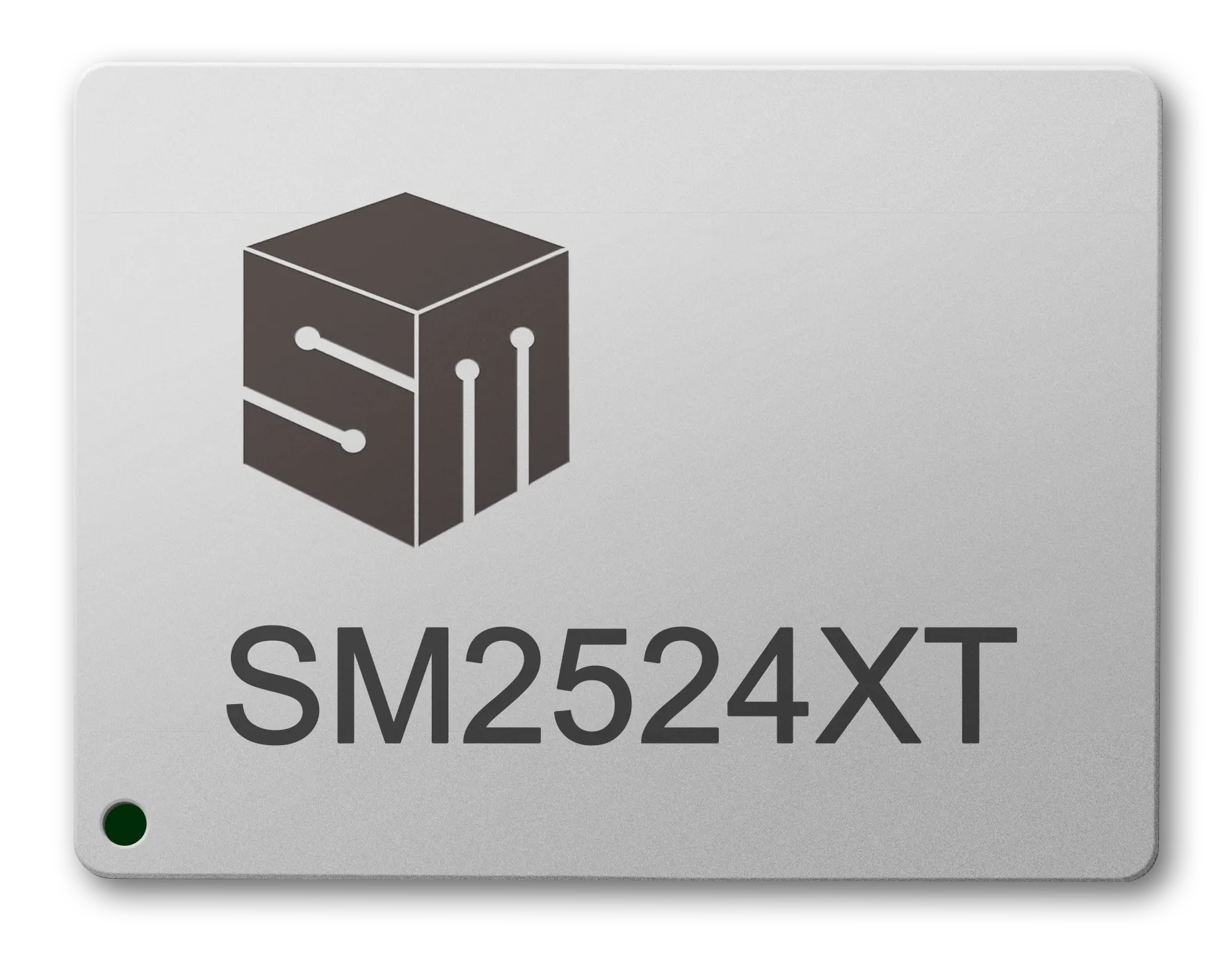
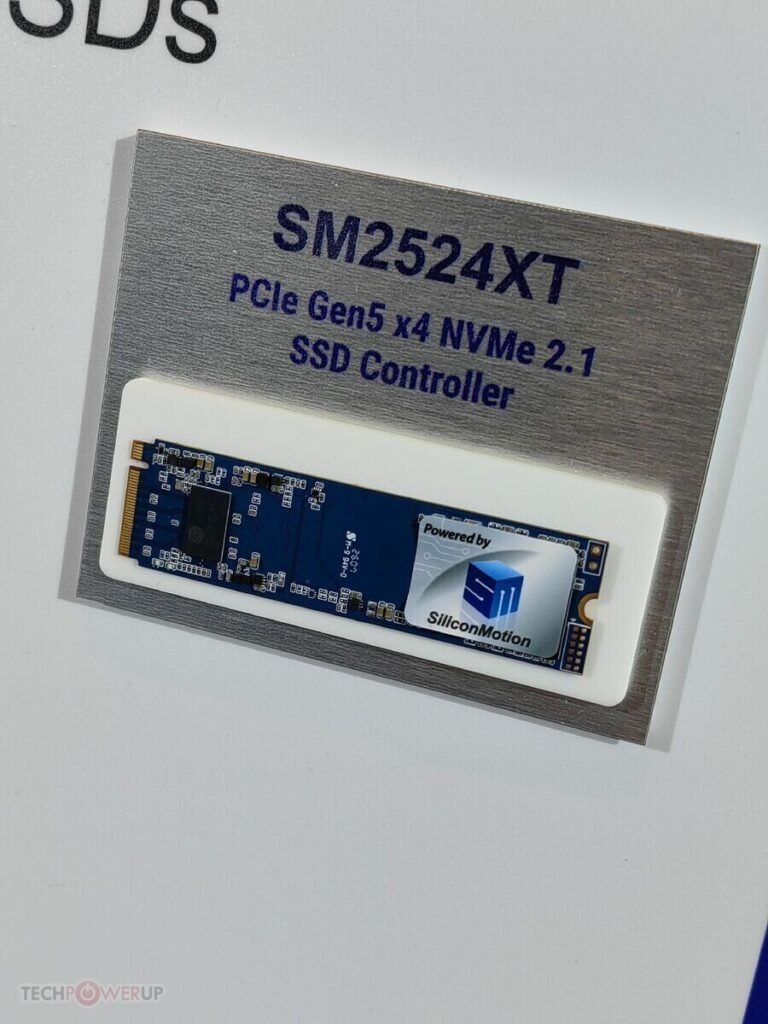
The SM2524XT leverages a new four-processor-core architecture with PCIe Gen5 x4 and NAND interface speeds up to 4,800 MT/s to achieve sequential read speeds up to 14GB/s and random performance of up to 2.5 million IOPS.
Built on TSMC’s 6nm process technology, the SM2524XT delivers up to 25% higher performance per watt compared to the previous generation controller, sustaining peak random I/O throughput even under the most demanding thermal and power constrained conditions.
“KV Cache has become a critical factor in AI inference performance, driving the need for sustained high random read/write throughput and low-latency data access,” says senior vice-president Nelson Duann. “As AI PCs evolve to support increasingly complex local agent and on-device LLM workloads, the SM2524XT is designed to deliver the random I/O performance, latency stability and power efficiency required for next-generation AI storage architectures.”
As on-device AI inference scales in complexity, KV Cache has become the decisive storage bottleneck separating responsive AI PCs from sluggish ones. Unlike conventional consumer SSD workloads, KV Cache generates relentless streams of highly fragmented, latency-sensitive random read/write operations that demand sustained IOPS throughput and rock-solid low-latency performance under continuous load.
The SM2524XT was engineered from the ground up to conquer these AI-driven access patterns, maintaining stable random I/O performance even during the most demanding sustained inference sessions.
The SM2524XT integrates Silicon Motion’s Separated Command Address (SCA) technology, advanced FTL scheduling and NANDXtend LDPC ECC technologies to improve parallel data processing efficiency, reduce latency interruptions and maintain consistent performance during sustained AINworkloads.
For more: www.siliconmotion.com
See all our SSD content.