Blog
Sam Sacks Renovates a Toronto Townhouse From the Inside Out

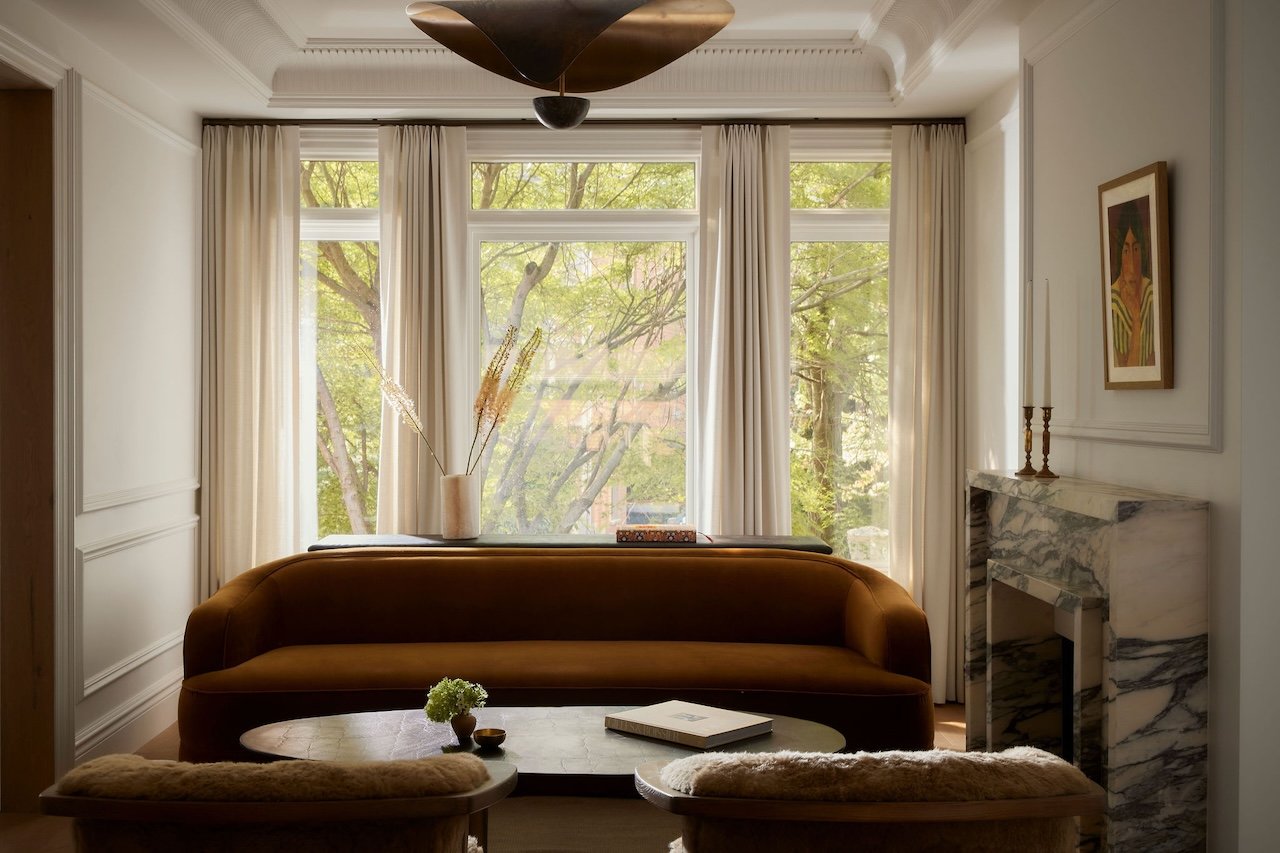
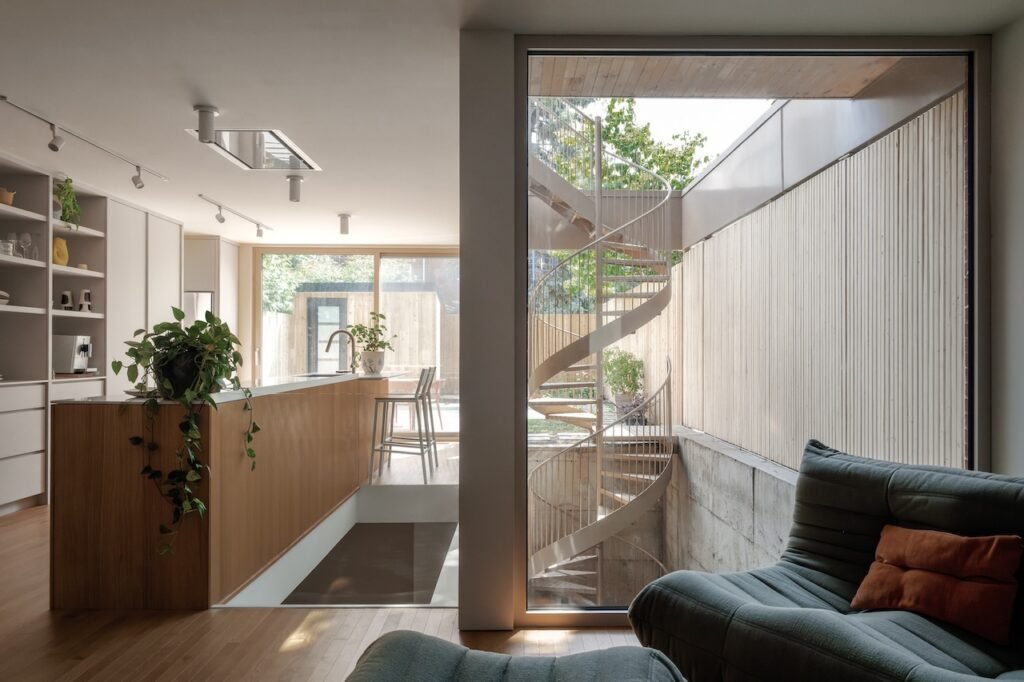
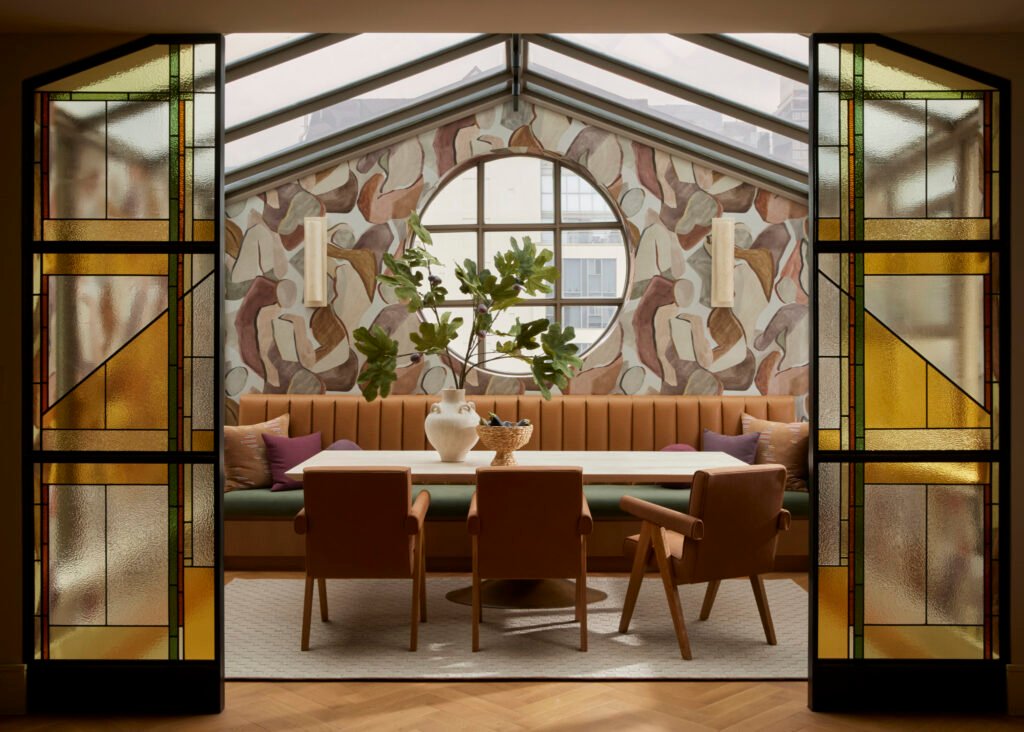
The ground floor of a semi-detached Toronto townhouse is rarely generous with light. In the Mathersfield Project, designer Sam Sacks inherited a floor plate further complicated by a structural wall dividing the living and dining areas from a sunken kitchen and family room at the rear – two zones occupying the same house but operating independently of each other. Rather than restructuring the floor plate, Sacks moved the existing opening into alignment with the living and dining rooms, then enlarged it. A set of custom steel and glass bifolding doors now spans the threshold – present when the house needs to function as two rooSam Sacks renovates a 4,600-square-foot Rosedale townhouse in Toronto, transforming a dated, contractor-grade interior into an architecturally considered homems.
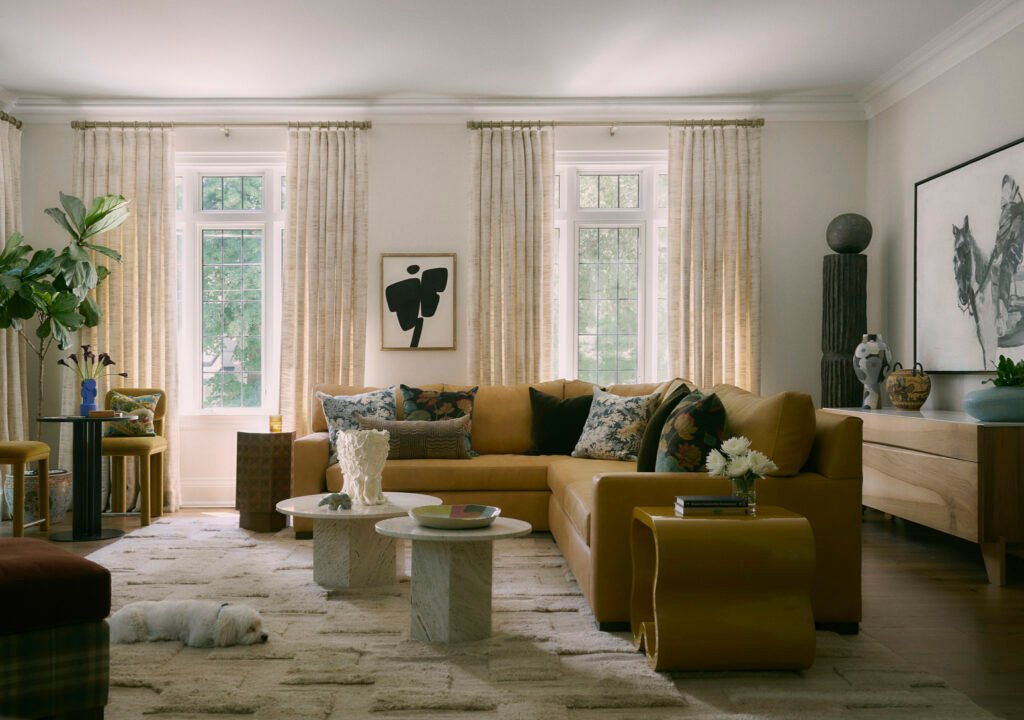
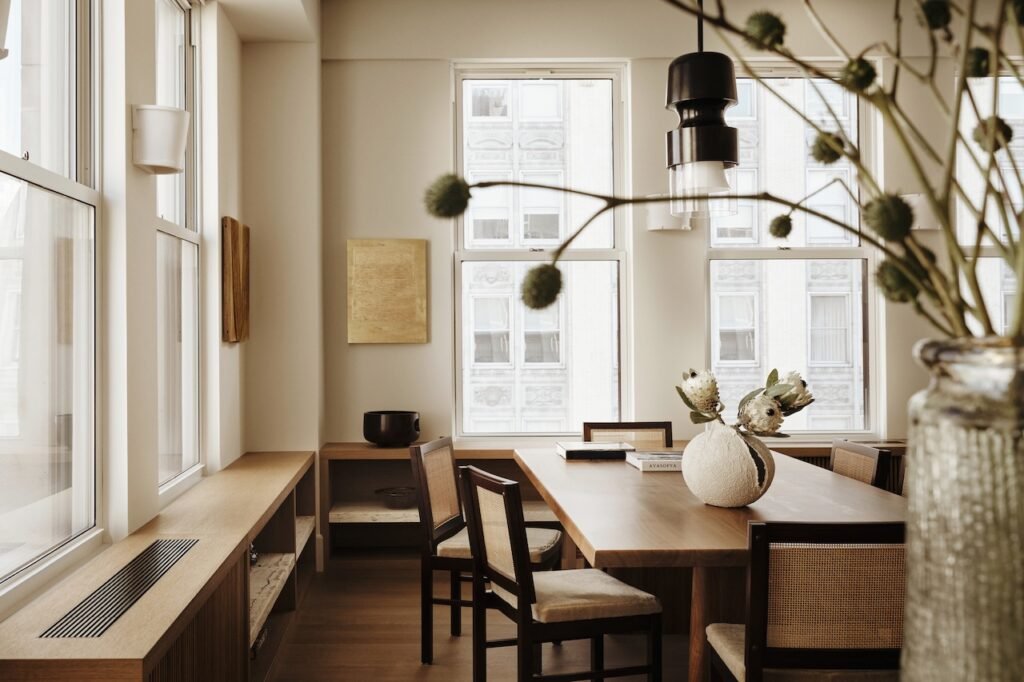
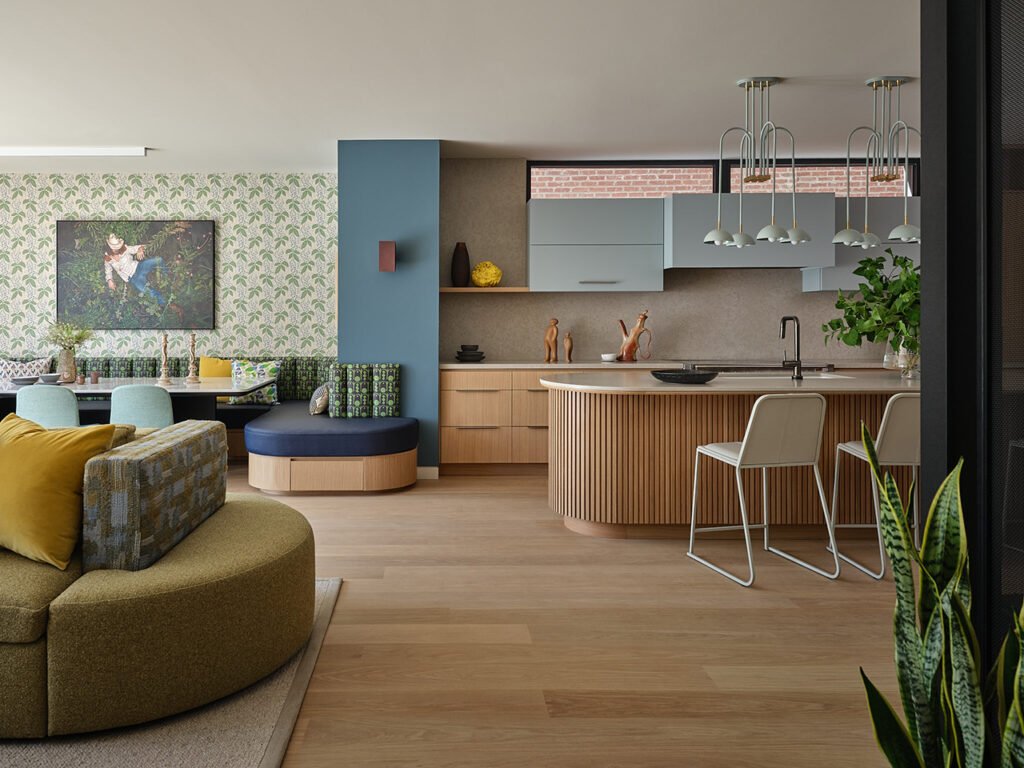
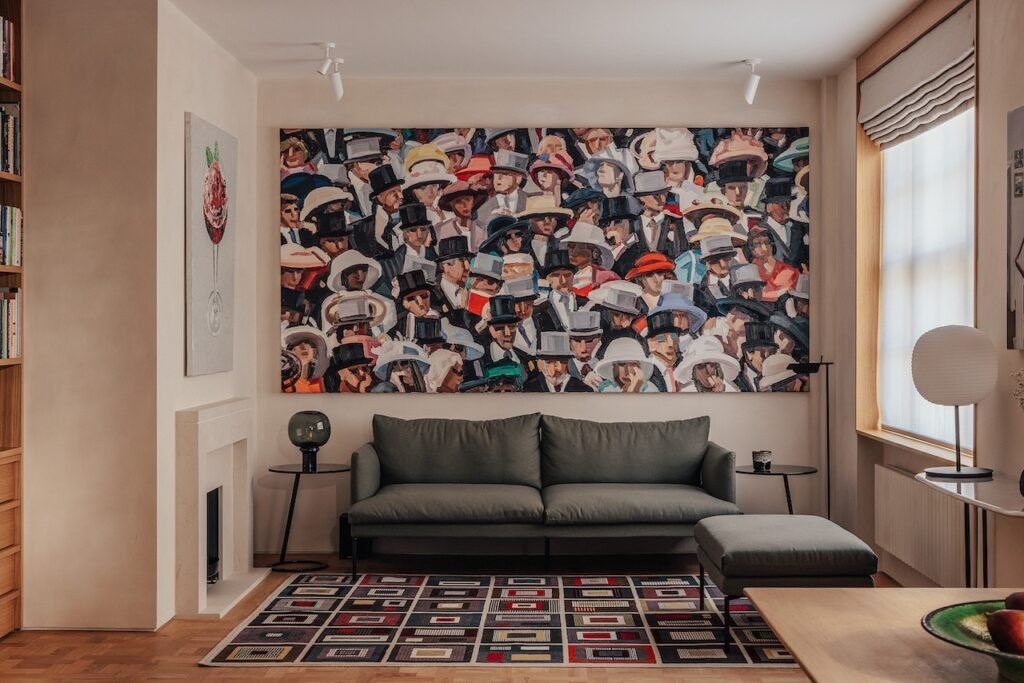
The decision to work with the existing architecture rather than against it governs the renovation’s broader logic. The home’s original construction was generic contractor work – drywall bulkheads, boxy proportions, and surfaces that carried no particular intention. Sacks corrected this through addition rather than demolition. High traditional baseboards and custom plaster crown molding in the living and dining rooms give the principal rooms presence. A low-profile beamed ceiling in the kitchen and family room pulls the spaces coherently together, while Versailles-pattern oak floors on the ground level ground the whole composition.

The powder room on the main floor is where Sacks took her biggest risk. A pedestal sink in hammered brass sits against deep Venetian plaster walls – a pairing that works because both materials share a deliberate surface texture, one cast, one applied by hand. On the second floor, the primary ensuite moves through white Volakas marble, Venetian plaster, and zellige tile, materials that sit in tension between the coolness of the stone and the irregular surfaces of the ceramic. The third-floor ensuite finishes in lime green marble.

Throughout, the staircase connecting these floors was rebuilt from scratch. Boxy pickets gave way to a continuous white oak handrail and powder-coated metal posts – a detail that was emphasized since the stair is visible from multiple levels and its original design undermined the architectural ambitions of every room around it.


View more information on Sam Sacks’ website.
Photography by Lauren Miller.