Blog
Raspberry Pi for the Professional Engineer


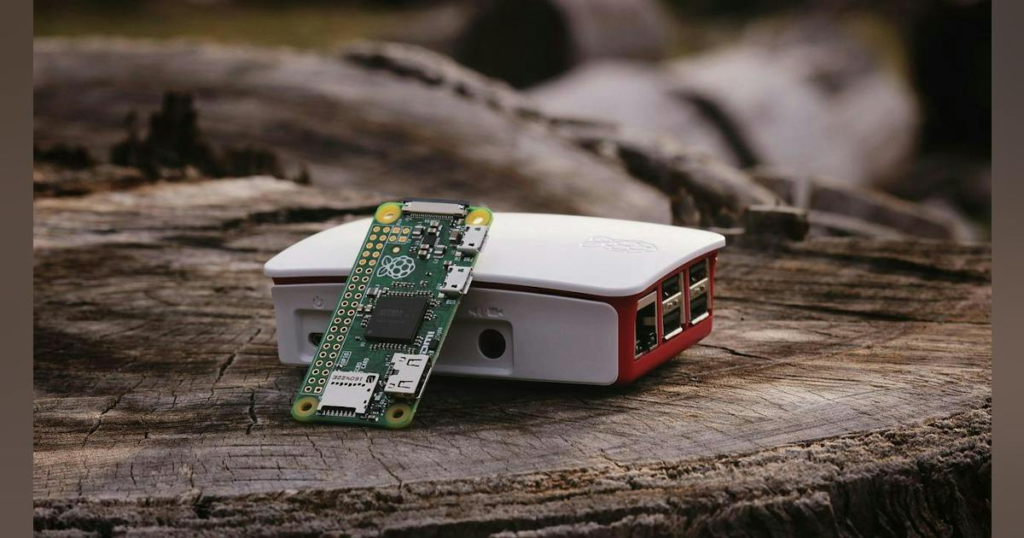
Raspberry Pi has entered the pantheon of industry product standards, where all competitors are referred to as clones; iPhone and Arduino are good company for our SBC champ. I wouldn’t say this was caused by the low introductory price of the Raspberry Pi (R-Pi), or its lack of strong competitors. Rather, it was the quality and robustness out of the box.
R-Pi was originally conceived as a way to boost interest in programming for school children back in 2008, with the creation of The Raspberry Pi Foundation. That low price, $35 USD, announced along with prototype images, had people foaming at the mouth to get it way before it was ready. I remember seeing some news about it in 2009, and I was feeling that same urgency.
Everything you need to run a system in an ultra-compact — for the time — package outputting 1080p natively had everyone’s imagination running wild.
When it launched, I got my hands on the first commercial production boards. If you look at these projects, I used that first-generation R-Pi to make some of them happen. The first one in that list, for sure. I noticed that a R-Pi has shown up in six of my cartoons. The board had a big impact on me, obviously.
I’m not the only one. Countless people and companies took interest in the board. Every generation faced a sellout periodically in their lifespans. The R-Pi has gone professional, too; in particular, the R-Pi Compute series. You’ll find R-Pi boards inside end products. I’ve seen them used in test labs, prototyping, and final products in a professional setting.
Very much like Arduino, Raspberry Pi is a professional platform. Don’t be dissuaded by its humble beginnings.
Over this week, I will be dropping stories about Raspberry Pi that will help you evaluate the platform. Keep checking back all week.