Blog
KP Sharma Oli: Nepal’s former prime minister arrested over alleged role in deadly protest crackdown | Nepal

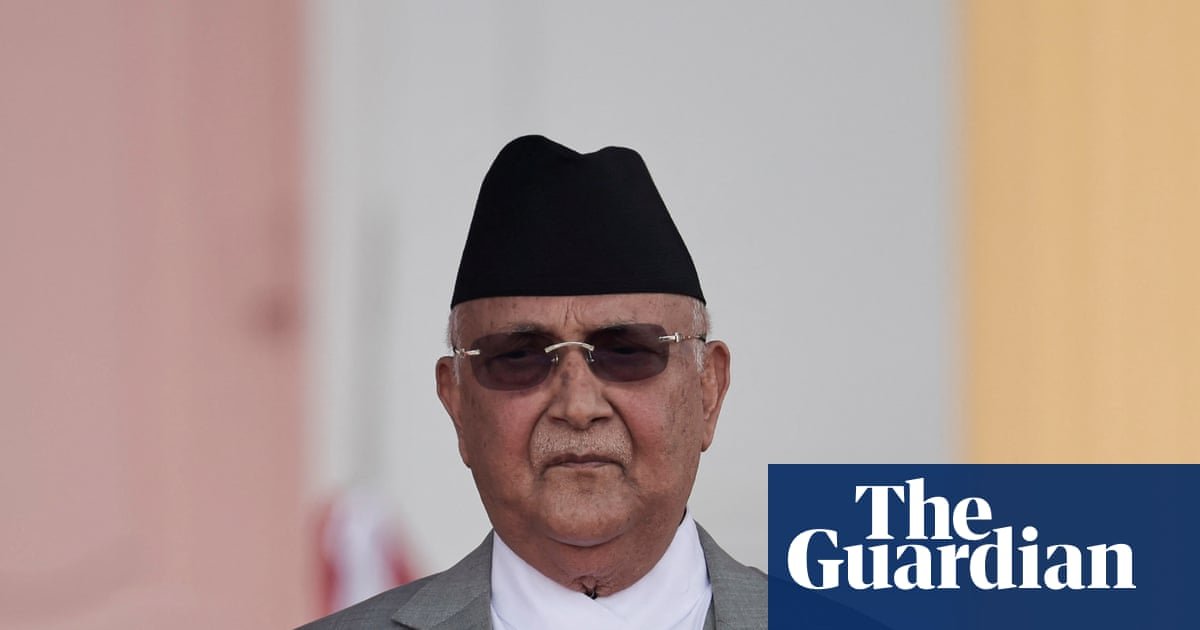
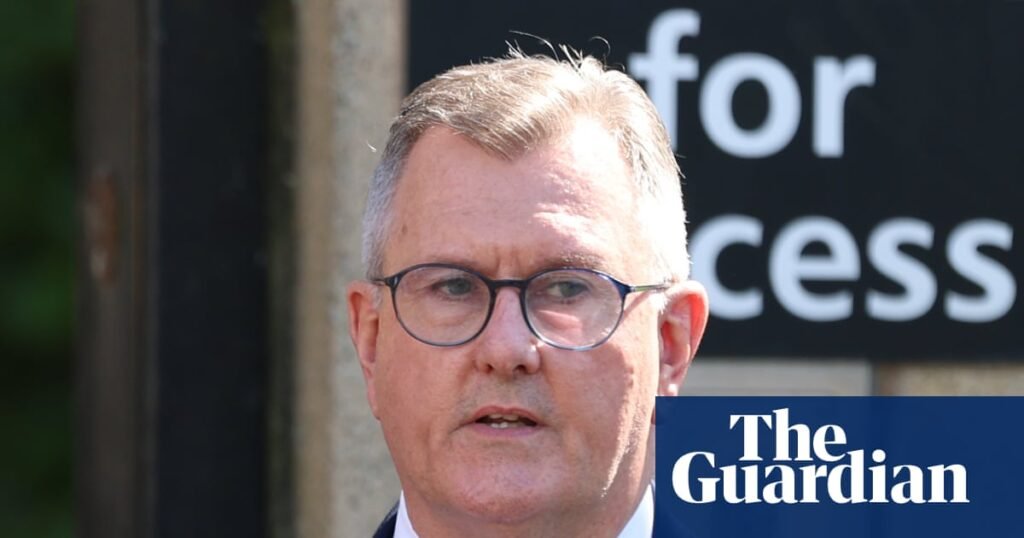
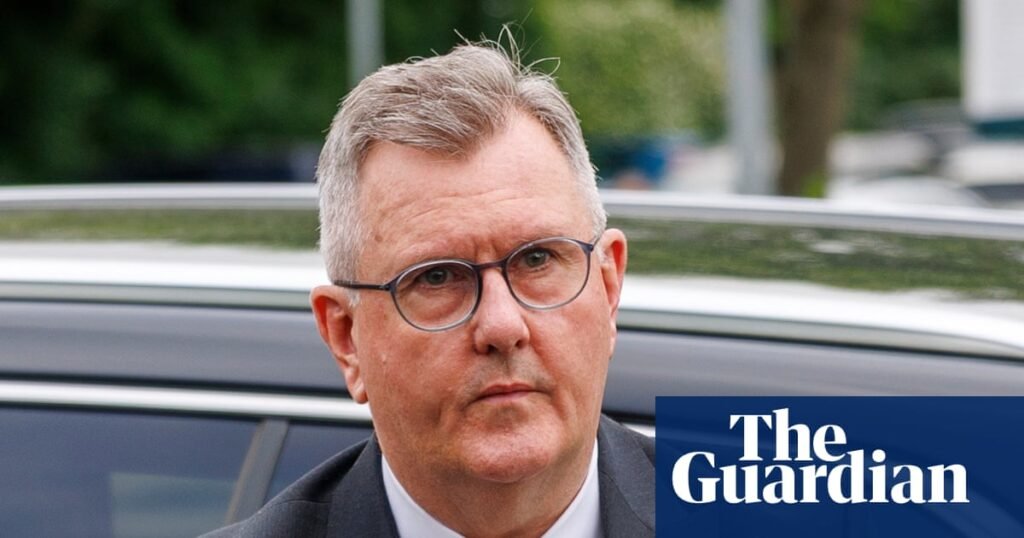
Police in Nepal arrested former prime minister KP Sharma Oli early on Saturday over the deaths of dozens of people during violent protests in September that toppled the government and resulted in new elections.
Authorities arrested the powerful communist leader at his residence on the outskirts of the capital Kathmandu. They also arrested Ramesh Lekhak, the former home minister who has been accused of ordering authorities to fire on protesters.
Home minister Sudan Gurung announced the arrests on social media. “No one is above the law. We have taken former Prime Minister KP Sharma Oli and former home minister Ramesh Lekhak under control,” Gurung said. “This is not revenge against anyone, it is just the beginning of justice.”
An investigation by a commission set up by the government called for punishment of up to 10 years in prison for Oli, Lekhak and the chief of police at the time of the protests.
Several trucks of police officers in riot gear conducted the arrests at the mens’ homes before taking them to the Kathmandu district police office.
Police spokesperson, Om Adhikari, confirmed the detainment of Oli and his home minister, Ramesh Lekhak.
Rapper-turned politician Balendra Shah was sworn in on Friday as prime minister after a winning the 5 March parliamentary elections.
The detentions come a day after Shah and his cabinet were sworn in after the first elections since the 2025 uprising that toppled Oli’s government.
The unrest spread nationwide the following day as parliament and government offices were set ablaze, resulting in the government’s collapse.
A Nepal government-backed report into the deadly uprising has recommended officials be prosecuted.
The report said that it was “not established that there was an order to shoot”, but alleged that “no effort was made to stop or control the firing and, due to their negligent conduct, even minors lost their lives”.
Shah and Gurung have promised justice for those killed and wounded.
The demonstrations fueled by “Gen Z” activists forced the 12 September appointment of Nepal’s first female prime minister, Sushila Karki, a retired supreme court judge who served during the transition leading up to the election.