Blog
Is Power Electronics Outgrowing Shunt-Based Current Sensors?

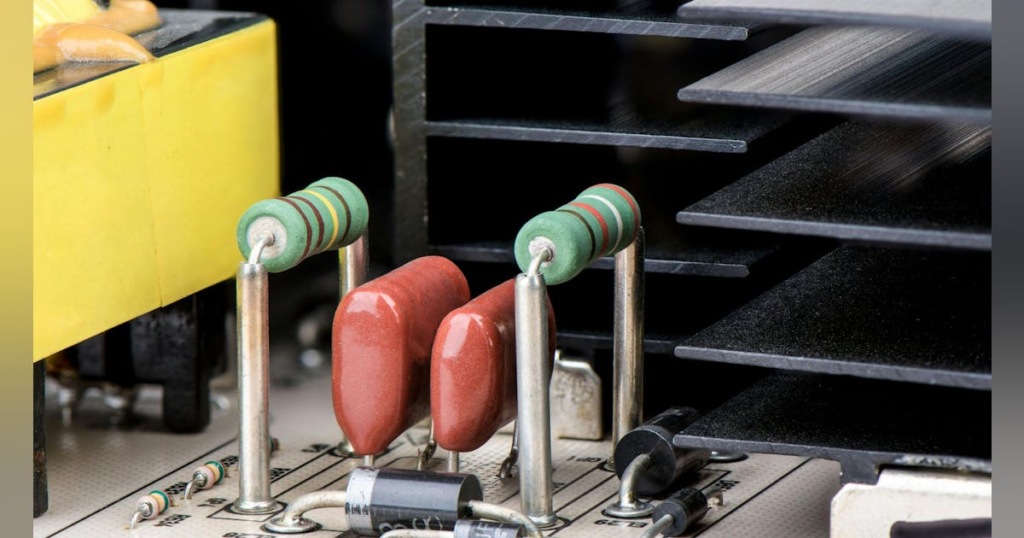
The shunt resistor has long been the cornerstone of current sensing. It’s the first tool that electrical and electronics engineering students learn about, grounded in the elegant simplicity of Ohm’s Law. For many applications, especially those below 100 V, the shunt resistor has been the default. It’s understood, and it works.
But the systems we design today aren’t the systems of a decade ago. The relentless drive for more power in smaller spaces, in everything from 48-V data center cooling fans and robotics to battery-powered tools and e-bikes, is pushing the classic playbook to its breaking point. And as switching frequencies climb into the megahertz range with the adoption of gallium nitride (GaN) and silicon carbide (SiC), engineers are finding that the “simple” shunt is forcing them into increasingly painful compromises.
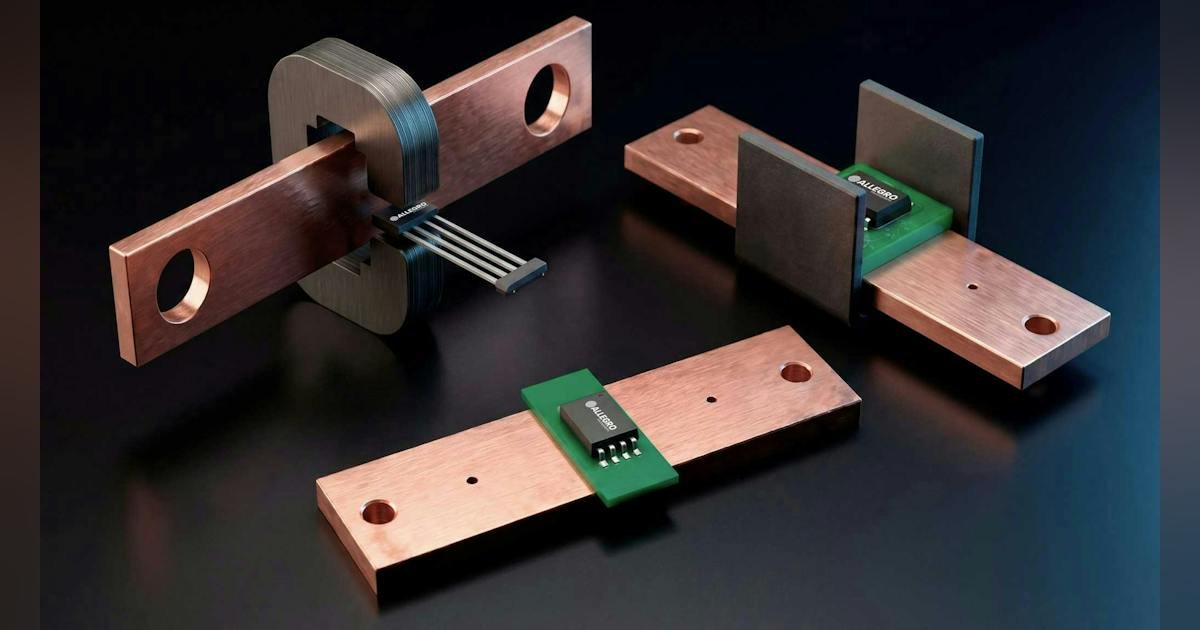
The good news: the current sensing toolkit has expanded significantly. Today’s designers have access to a full range of magnetic-sensing technologies ranging from integrated conductor Hall-effect current sensors to coreless sensing to advanced tunnel magnetoresistance (TMR). Each one is optimized for different design priorities. The question is no longer whether to use a shunt or not. Instead, it’s “what’s the right current sensor for this specific job?”
The Hidden Complexity of Shunt-Based Current Sensors
The shunt has always been favored for its directness: pass current through a known resistance value, measure the voltage drop, apply Ohm’s Law. For low-voltage, low-current applications like a simple 12-V, 1-A design where layout space and switching frequency aren’t constraints, shunts remain perfectly valid. But as current levels rise and form factors shrink, its directness comes with hidden costs, and they compound in ways that can surprise even experienced designers.
Heat is the shunt’s most fundamental limitation. Power loss is governed by P = I2R, so as current increases, the heat dissipated by the resistor increases quadratically.
In a compact motor drive running 30 A RMS through a standard 1-mΩ shunt, the resistor alone dissipates almost 1 W of heat. That may seem manageable in isolation. But multiply it across a system such as hundreds of fans cooling an AI server rack, and the waste heat becomes a major contributor to the very thermal problem the system is trying to manage.