Blog
“GPUBreach” is a Rowhammer Attack for GDDR6-Based NVIDIA GPUs That Bypasses IOMMU

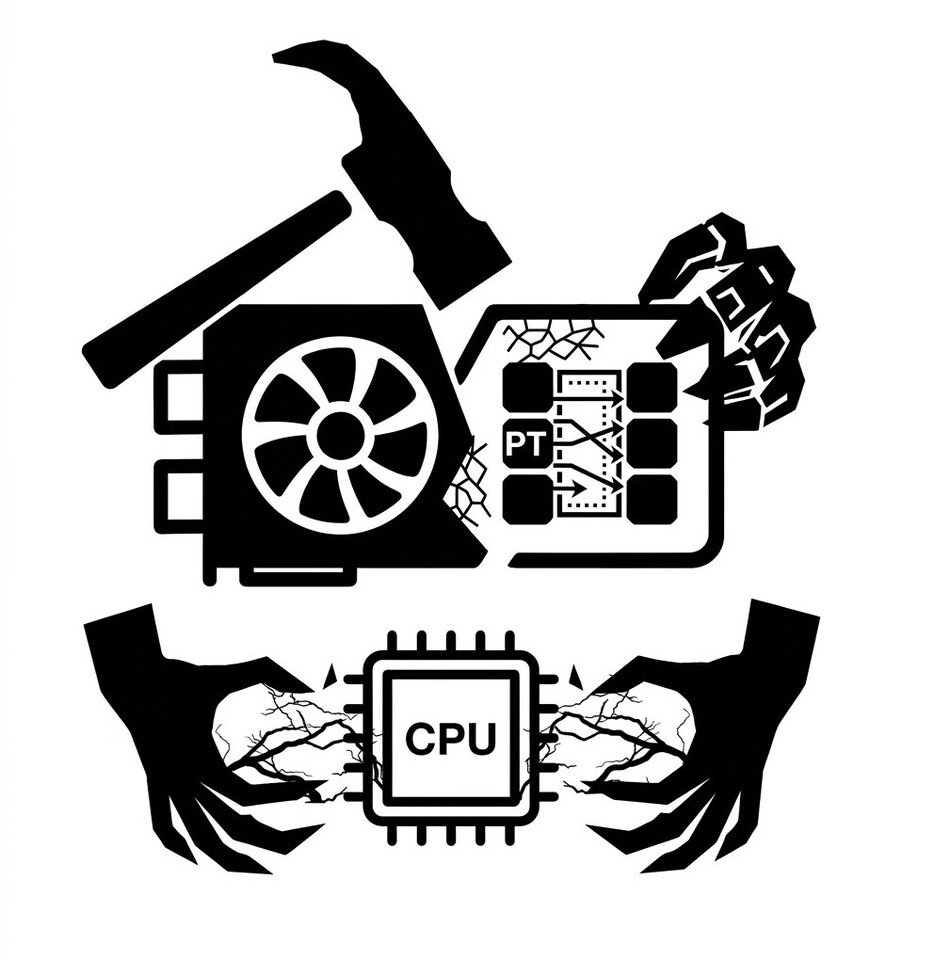
For example, “GPUBreach” exploits memory-safe bugs in the actual GPU driver and corrupts them. When IOMMU confines the GPU’s direct memory access to driver-assigned buffers, the new exploit corrupts metadata within these permitted buffers. This causes the driver, which has kernel privileges enabled on the CPU host, to perform out-of-band writes to the buffer, effectively bypassing any protection IOMMU can offer. This logic is built into the kernel by default, as the GPU driver is one of the most trusted components of the operating system. Hence, IOMMU bypass is possible when the metadata is corrupted. Since “GPUBreach” grants an attacker full root privilege escalation, the attack differs significantly from previous rowhammer attacks.
Researchers at the University of Toronto disclosed this attack to NVIDIA back in November 2025, as well as to hyperscalers like Google, AWS, and Microsoft. Newer NVIDIA GPUs are equipped with GDDR7 and HBM3/HBM4 memory, making them not susceptible to this attack. However, older GPUs with GDDR6 remain vulnerable, and NVIDIA may soon update their security disclosure. ECC memory helps with some of the GDDR6-based bit flips, but the technology is not immune. DRAM versions starting with DDR4, DDR5, LPDDR5, HBM3, and GDDR7 implement On-Die ECC (OD-ECC), which indirectly provides protection against rowhammer bit flips.