Blog
Evolution of Timekeeping: Humanity’s Quest to Measure Time

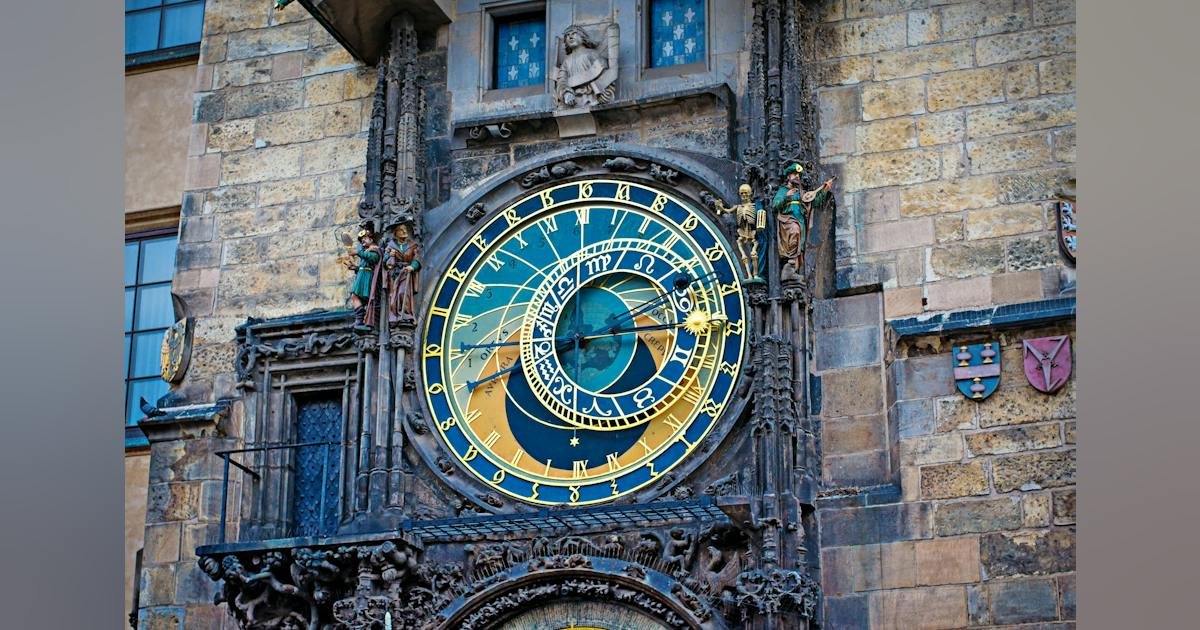
From the dawn of civilization, humanity has sought to understand and measure time — its passage, its cycles, and its influence on daily life. Early societies turned their eyes to the heavens, observing the sun’s journey across the sky, the waxing and waning of the moon, and the movement of planets and constellations. These celestial patterns formed the basis of humanity’s first methods of timekeeping, enabling ancient cultures to track seasons, plan agricultural activities, and organize religious and civic events.
Over the millennia, the ability to measure time became increasingly precise, paving the way for technological and societal advances that have shaped the rise of civilizations around the world.
This three-part article series explores the rich history of timekeeping, from its ancient origins to the cutting-edge timing technologies that power today’s innovations. In this first installment, we delve into the many methods ancient civilizations used to mark time, laying the foundation for today’s sophisticated timekeeping systems.
Tracking Time Through the Heavens
The earliest humans gazed up at the sky and followed the movements of celestial bodies to track time and structure their daily lives. By mapping the sun’s position, tracking lunar phases, and monitoring planetary movements and star patterns, they developed rudimentary but effective timekeeping methods.
Simple shadow-casting implements also evolved into more refined instruments like sundials and obelisks, serving as both practical tools and cultural symbols of humanity’s growing understanding of the universe.
Ancient Egypt: Masters of Solar Timekeeping
For the ancient Egyptians, timekeeping was a sacred practice that influenced all aspects of their civilization and daily lives. They developed shadow clocks and sundials to divide the day into measurable units, using these tools to regulate agricultural activities, religious observances, and daily life. The precise alignment of their monumental temples and pyramids with celestial bodies reflected their deep connection to time and the cosmos.
Mesopotamian Innovations: The Legacy of the Sexagesimal System
In Mesopotamia, the Babylonians and Sumerians pioneered a different approach to timekeeping. Their lunar-based calendars and astronomical calculations laid the groundwork for many modern timekeeping conventions.
One of their most enduring contributions was the sexagesimal (base-60) time-measurement system, which gave rise to the 60-second minute and 60-minute hour still in use today. This mathematical framework continues to influence time measurement, demonstrating the lasting impact of ancient ingenuity.
China’s Precision Engineering: The Water Clock Revolution
In ancient China, the pursuit of accurate timekeeping led to the development of intricate water clocks, known as clepsydrae (meaning “water thief” in ancient Greek), which measured time by the steady flow of water. These ingenuous devices reached their pinnacle with Su Song’s astronomical clock tower (see figure), an engineering marvel of the 11th century and the world’s most accurate clock of that era. With an estimated accuracy of one second per day, Su Song’s water clock exemplified the fusion of technological innovation, governance, and cosmology in Chinese society.