Blog
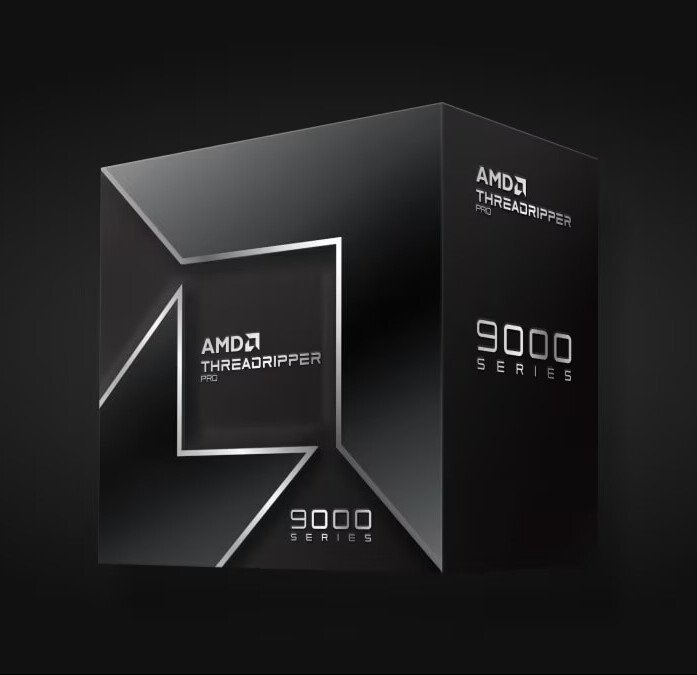
AMD Ryzen Threadripper TR6 “Mustang Peak” Arrives with “Zen 6” and PCIe 6.0

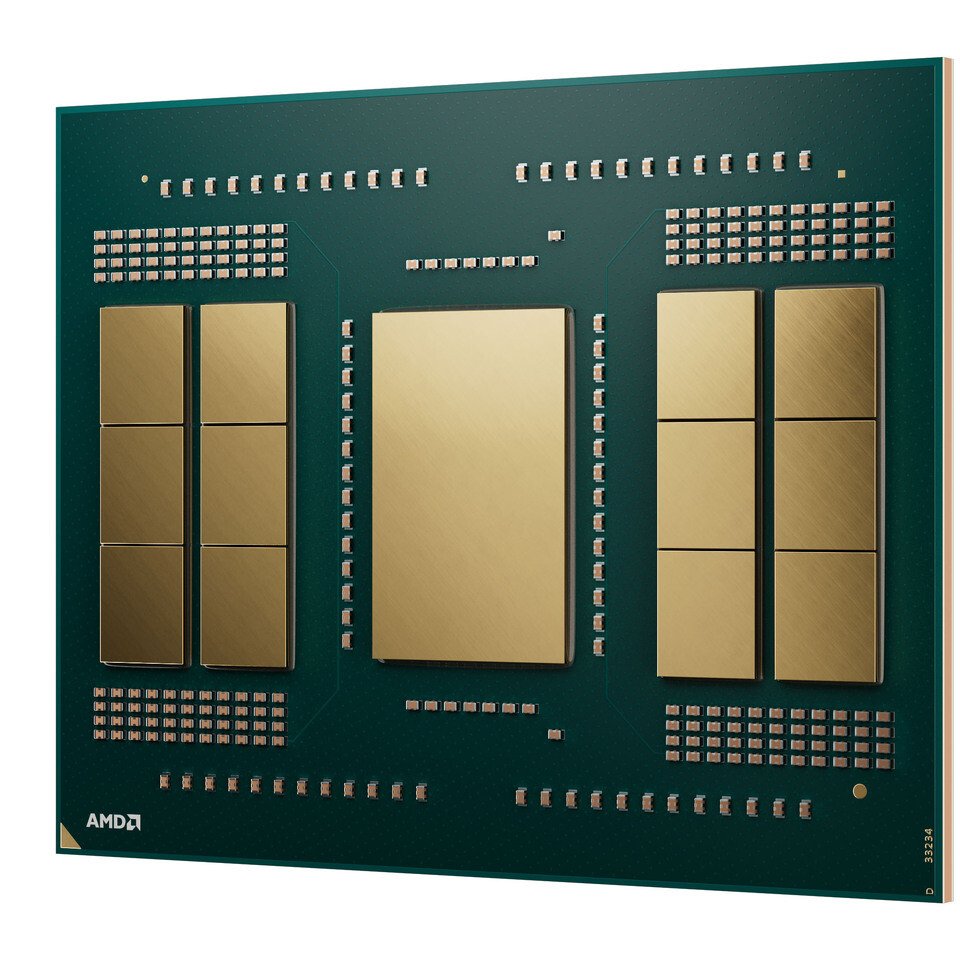
With the introduction of PCIe 6.0, which doubles the bandwidth of PCIe 5.0 per lane configuration, AMD needs to add more pins to handle the increased bandwidth. Additionally, with varying core counts and clock speeds, the CPU socket likely requires more electrical capacity to support the new platform, necessitating an overhaul. If readers recall, the previous TR5 socket used 4,844 pins. For the TR6 update, it is possible that the pin count could exceed that number.
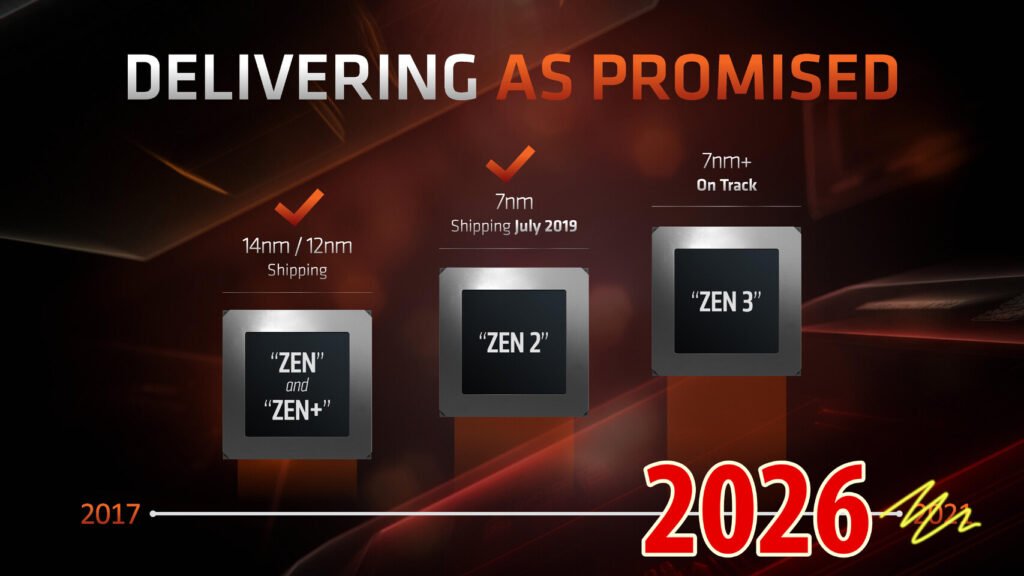
In previous leaks, we learned that “Zen 6” increased the core count to 12 cores per CCD. This is an improvement over the 8 cores per CCD that “Zen 5” currently offers in non-dense configurations. If the CPU maintains its maximum configuration of 12 CCDs, it would result in 144 cores and 288 threads, which is 50% higher than the 96-core, 192-thread configuration of the AMD Ryzen Threadripper 9995WX. AMD’s documentation did not suggest any launch date, indicating that we are still months away from the actual release. AMD is likely to start shipping the first “Zen 6” CPUs in the form of server EPYC SKUs, followed by consumer Ryzen, with the HEDT platform being released later.