Blog
NVIDIA Grabs 94% AIB GPU Market Share, AMD Falls to 5%

Intel’s market share in AIB GPU shipments remains steady at around 1%, consistent with its performance in Q3 2025 when the company achieved its first single-digit percentage since launching its Arc “Alchemist” GPUs for gamers. This indicates that Intel’s progress is stable, with demand remaining consistent as gamers continue to choose Intel GPUs at the same rate as before. For Intel to break out of the single-digit bracket, the company likely needs more GPU designs, such as the anticipated “Battlemage” B770 graphics card.
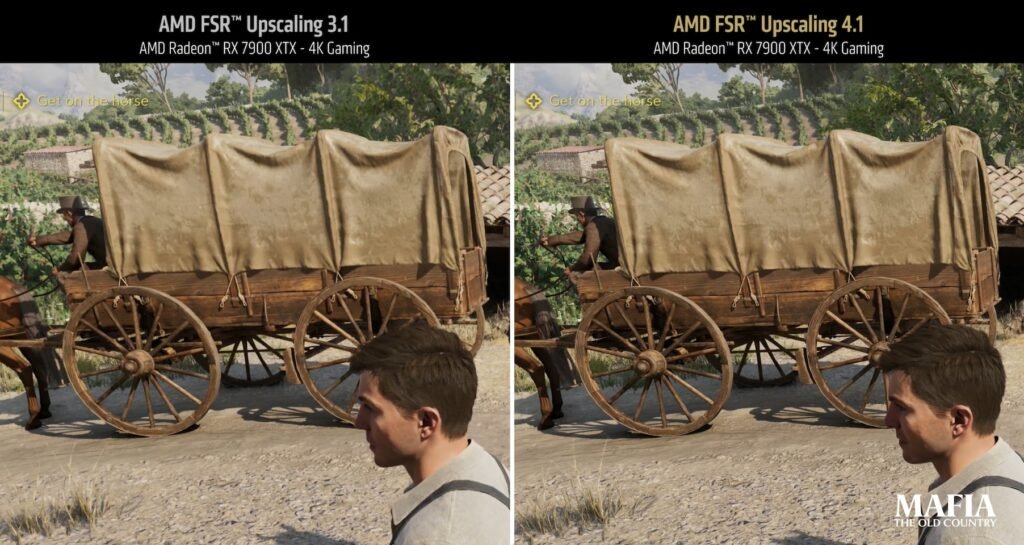
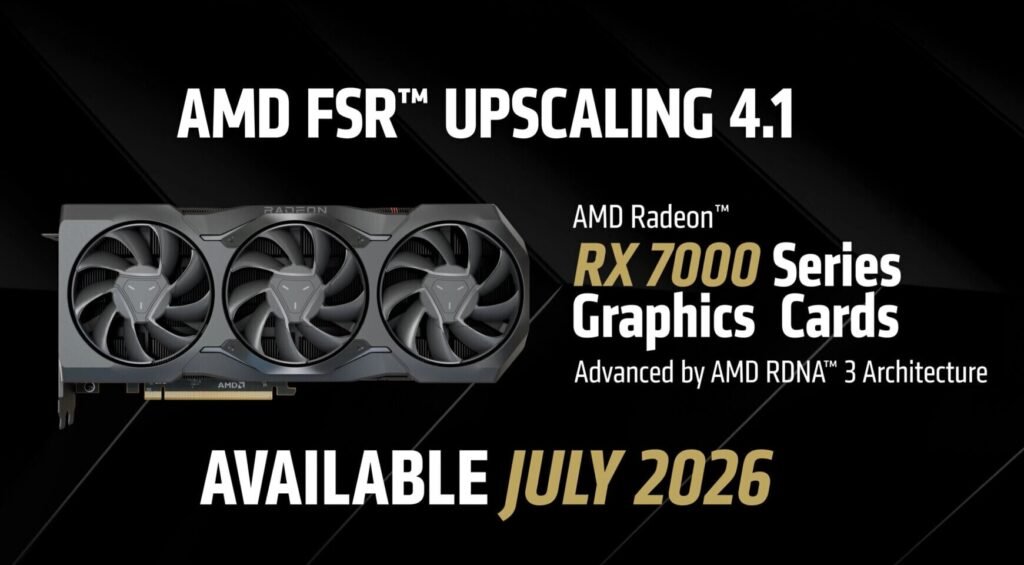
Regarding the shifting market share among GPU vendors, the numbers reflect what many gamers are experiencing. For instance, AMD only supports certain technologies like FSR 4 “Redstone” on its latest Radeon RX 9000 series graphics cards, leaving older generations without support. Additionally, RDNA 4 graphics are only competing with NVIDIA in the mid-range sector, with no high-end competition this generation. Intel also faces challenges in the mid-range GPU segment, suggesting that future GPU generations from both companies might alter the market share landscape. For now, NVIDIA remains the dominant force.