Blog
It’s Time for Watches and Fitness Trackers to Go Open Source

You’re not alone in this, ahem, movement, Una has also set up a developer forum.
Why Does All of This Matter?
I didn’t want Google’s whoring tentacles latching onto my health data, not to mention having their snarky AI fat-shaming me into clinical depression. I disconnected the Fitbit from the app, never pairing the Google app that forced replacement of the Fitbit app, forever locking me out from reverse engineering my own app using AI (I’m an old hardware guy; I code if I must, but I abhor coding almost as much as Nature abhors a vacuum).
Still, I do miss a lot of the Fitbit’s features, especially being able to tell the time without picking up my phone…but I endure the pain because my data is mine. Health data in my case. In everyone’s case, it’s that and a whole bunch of other things that can land people in prison these days. More on that one in Part 2.
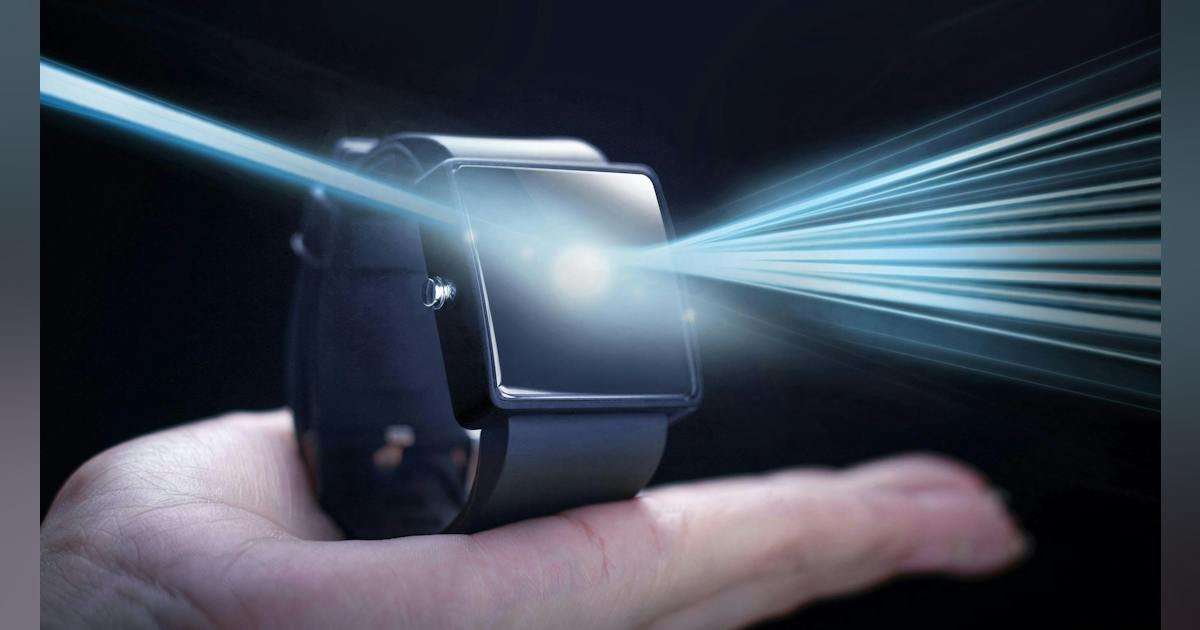
No, I haven’t jumped the couch here. Without a thought, we wear a tool of convenience — one that provides the time (for most of us, anyway), meetings, and other push alerts (“The Dow is over 50,000”), a wallet with tap-to-pay capability, heart-rate monitors, GPS-based tracking for walkers joggers and cyclists, daily step counts, number of steps climbed daily, body temperature, respiration rate, and other health metrics. These are taken in raw, somewhat processed on an attachable device like a smartphone or laptop, then some allegedly heavy number crunching occurs on the data by uploading it to a cloud-based server.
Some of us have been around since the mainframe days, where we had dumb terminals, or even punch cards and chain-printers, for input/output of programs and data. Along came the PC and much of the processing became offloaded onto local processors. Those processors became more powerful, easily surpassing the 242.8-MHz clock rate found in Cray-2 Supercomputers of the day, where even a handheld phone can clock at 5X that old speed.
At the end of 1999, Berkeley researchers released the beta release of seti@home, which ran on a distributed processor architecture. It used volunteers’ idle PCs to do its code crunching to find signatures of extra-terrestrial life in radio telescope data, because, in the recent words of Open AI’s Sam Altman (Fig. 5):
“From a global allocation perspective, actually, it’s quite terrible to have everybody have a bunch of the world’s limited supply of DRAM sitting in their own computer and being used 5% of the time.” – Sam Altman
But it’s Opposite Day for Altman. He’s herding the sheep into the insanity of centralized data centers, despite a laundry list of reasons of why it’s completely idiotic, IMO, to keep centralized architectures.