Blog
Weather Science and Technology is as Dynamic as the Planet

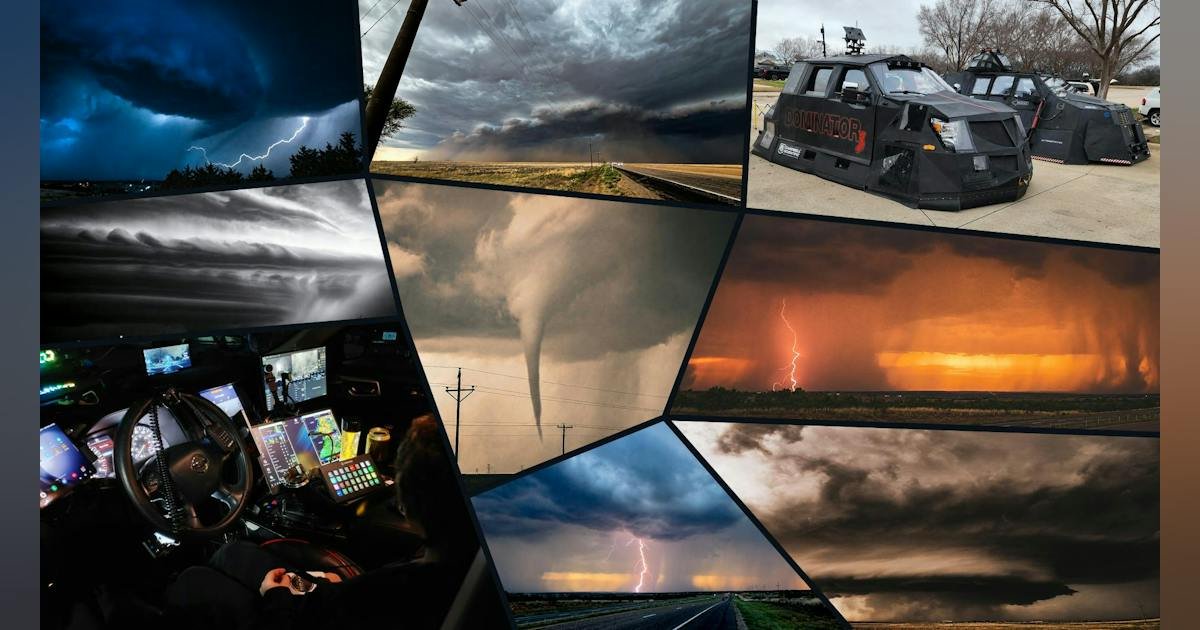
Take it all away. Your smartwatch, your phone, your car, your home, everything. It’s just you standing on the planet, at its mercy. Nepal flood, Arizona flood, 86 tornadoes in the Midwest, Indonesia earthquake, Balkan wildfire, Canada fires destroy homes, Korea/Philippines heavy rains flood streets, thousands still without power in Indiana after a single intense storm.
Here’s the shocker: that was just August (2026). We’re not keeping up.
There’s nothing more important than understanding and predicting this world we live on. Recent events are proof of it. It’s not all gloomy, there’s hope. Over a million people are working worldwide toward a better understanding of natural processes of this rock called Earth. Technology is advancing at a faster rate than at any other time in history. To quote Zeddemore from Ghostbusters, “We got the tools, we got the talent.”
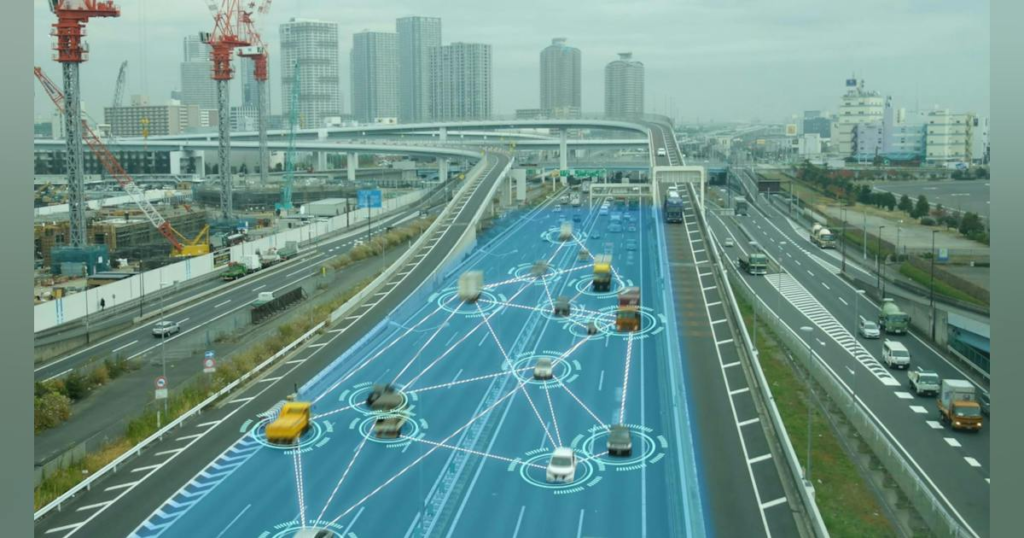
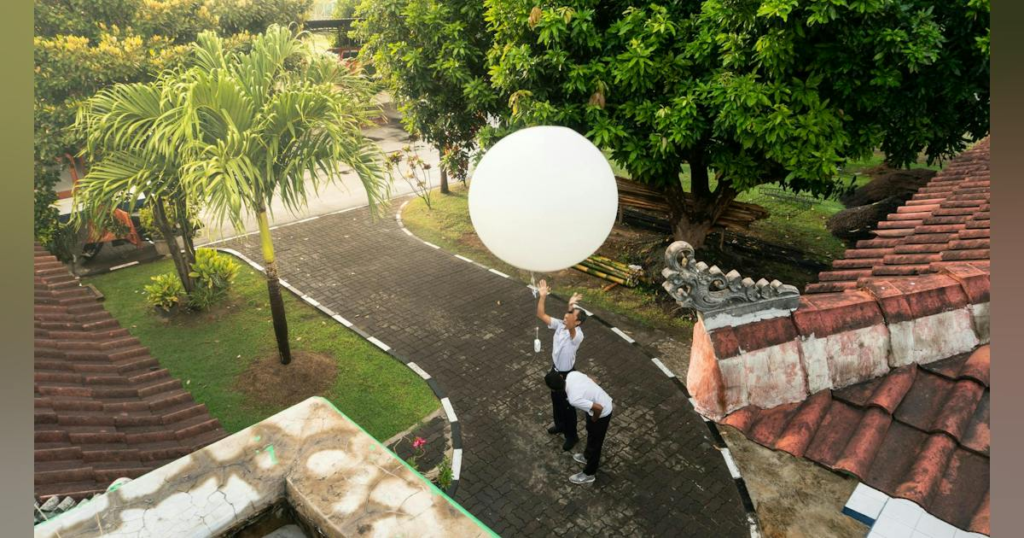
Where should we use the myriad of sensors we have today? The latest smartphone? Our cars? No – they should be used for weather.
Big data? Calculate the latest sales trends in the marketplace? No! Analyze weather and natural disasters.
Artificial intelligence, I could use it today to make me into an artist! Wrong! It should be used to predict natural processes on the planet and detect the tiniest of weather events.
Over the next week, I’m going to drop new stories every day about weather technology, interviews with those making big impacts in meteorology, and some fringe experiments in understanding old big blue. So, keep checking back every day for something new. I guarantee you’ll be surprised.
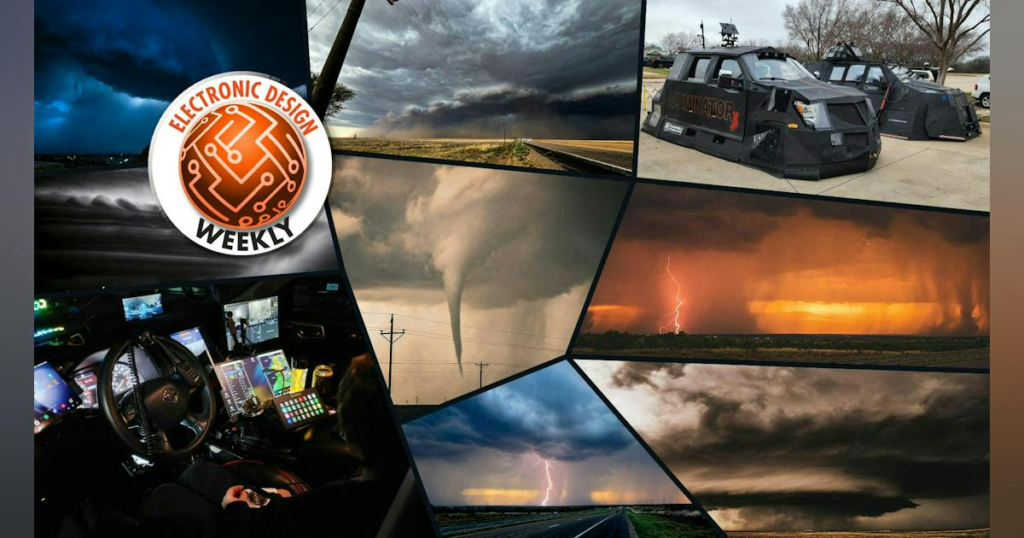
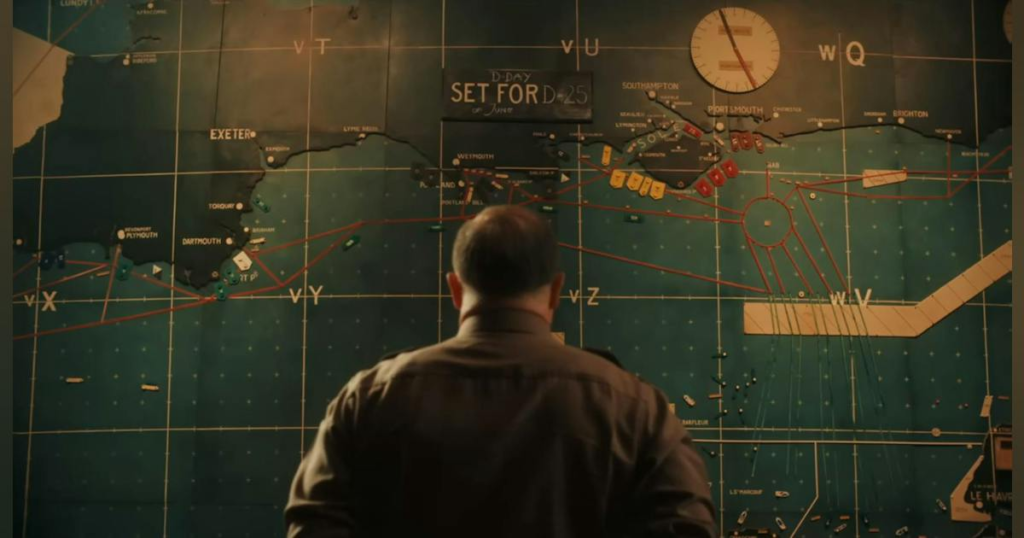
Ok, you want a little preview? Did you know that a single electrical engineer changed tornado understanding forever? Did you know that a single meteorologist practicing radical modern techniques helped us win World War 2? Do you know what it looks like inside a tornado?
See it all this week, and I’ll see you here.
But, wait…
Maybe you didn’t catch that earlier. Ballyhooing aside, I said over a million are working with and studying the Earth’s natural processes. Compare that to software engineers at 47 million; a million isn’t a lot. Focus down to just weather sciences, what affects us most, and it’s only around 120,000 worldwide. Focus further and look at NOAA, the National Oceanic and Atmospheric Administration, the ones most actively monitoring the planet, and it’s only 18,773 people. That’s 18k people for all 8.3 billion of us. 442,124 people for every 1 NOAA employee.
It’s simply not enough people, enough research, enough technology, enough anything for this powerfully chaotic planet. Fluid dynamics at every layer. Electrically devastating. Thermally conducting to criticality. Our planet is a living electrical machine. We need to monitor everything.
Maybe by the end of this week you’ll see my point. Maybe you’ll be inspired. And if you do or are, let me know. Because, at the end of the day, it’s just us standing on the planet, at its mercy.