Blog
Battery Energy Storage Builds Up Behind the Grid

The electric grid is in a race to keep up with surging demand for power — and it’s falling behind. The demand is driven by everything from the rapid growth of renewable energy to electricity-guzzling AI data centers.
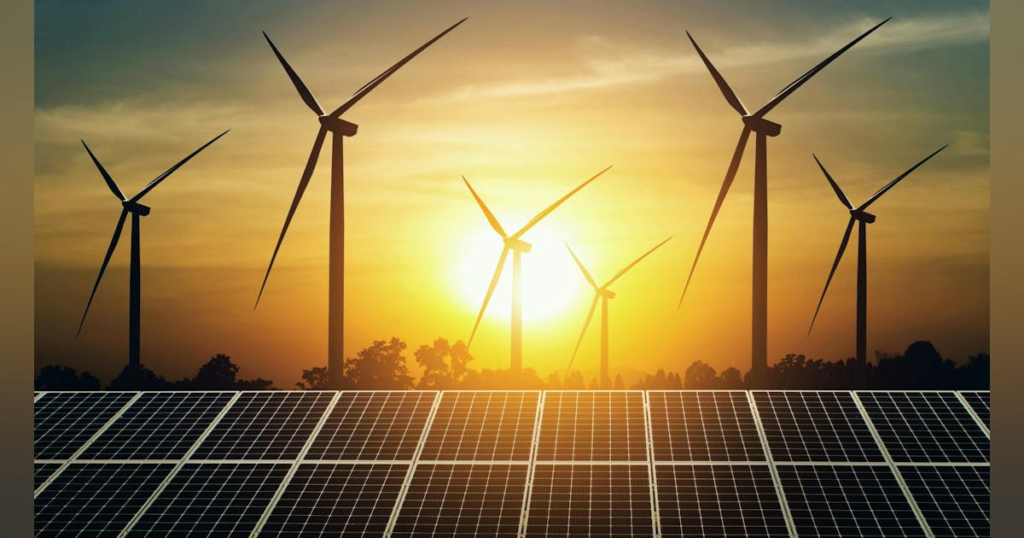
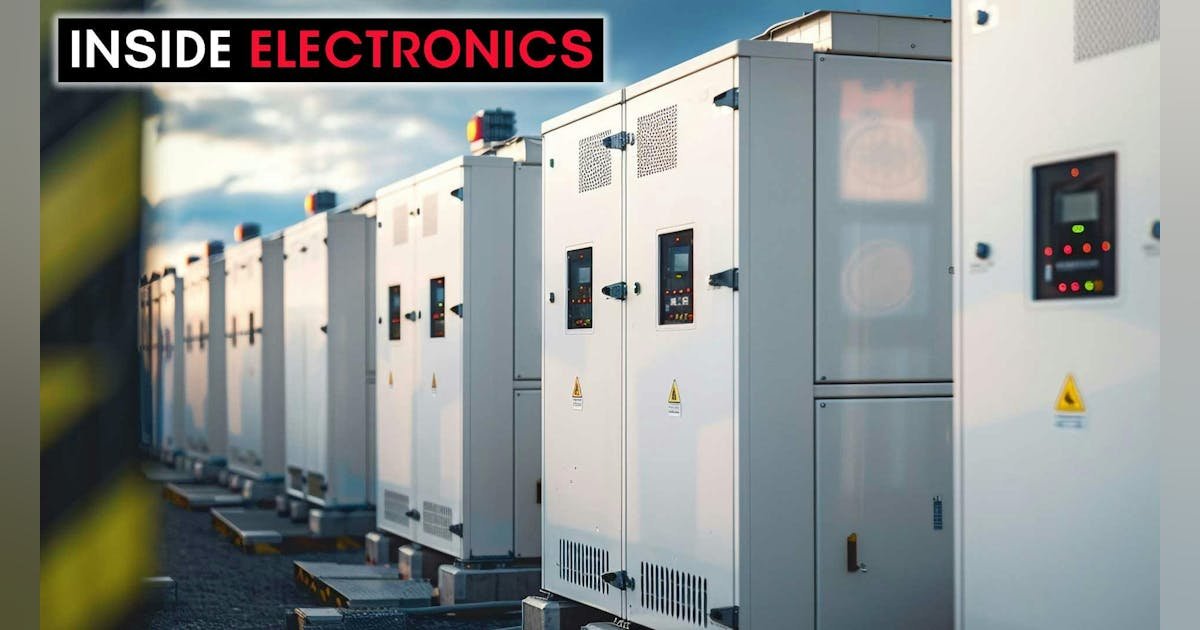
Battery energy storage systems (BESS) are emerging as reinforcements for the grid. By storing excess energy and releasing it during periods of peak demand, BESS can better harness intermittent energy sources such as solar and wind. These grid-scale batteries are also able to provide backup power for facilities like data centers and help manage the fluctuating power demands of AI workloads before they place more pressure on the grid.
Given these trends, stationary energy storage is expanding rapidly, and the technology inside it is evolving at the same pace. The boom in BESS is driving the development of more durable and longer-lasting cell chemistries, such as sodium-ion, as well as battery-management systems (BMS) that help maximize these metrics. New approaches such as electrochemical impedance spectroscopy (EIS) are penetrating the cell-level BMS to improve a battery’s performance, how rapidly it ages, and how safely it operates.
In this episode, Electronic Design Senior Editor James Morra and Editor-at-Large Alix Paultre explore these topics and more, including the growing role of spent electric-vehicle (EV) batteries as a second source for energy storage.