Blog
Safety and compliance innovation in medical equipment

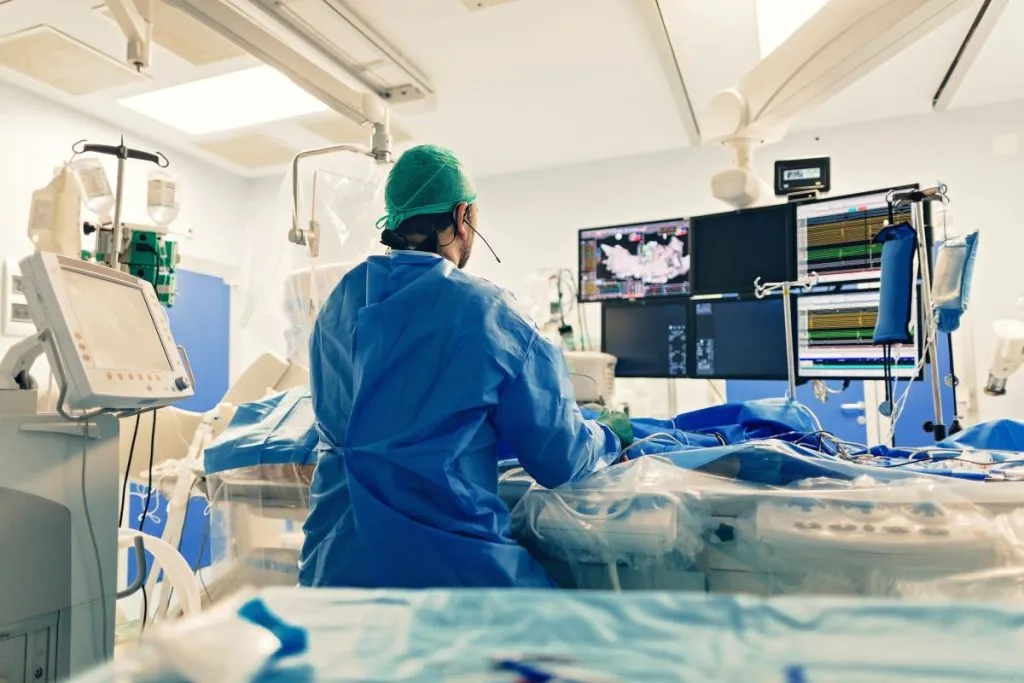
The medical equipment manufacturing industry has a host of active players worldwide, with market estimates in 2025 ranging from $665bn to $850bn. Among its leaders are Phillips Medisize, based in Hudson, Wisconsin. Vice president of MedTech Product & Innovation, Pete Soupir, explains that it offers interconnect products tailored to medical applications.
It also supports customers’ products’ assemblies and subassemblies incorporated into continuous glucose monitors, insulin pumps, robotic surgical systems, electrophysiology and intravascular ultrasound catheters.
Interconnect
The company’s optical and copper interconnect solutions offer a one-stop design-to-production resource for surgical, diagnostic and therapeutic needs, including interconnect. This is a fibre that delivers high laser power procedures such as intravascular lithotripsy (IVL) and atherectomy to open narrowed or blocked coronary arteries. Similarly, IVL uses sonic pressure waves (similar in concept to kidney stone treatment) to fracture calcium within the artery wall, prepping it for balloon or stent deployment. In atherectomies, pulsed ultraviolet laser energy can be used to vaporise or modify plaque lesions.
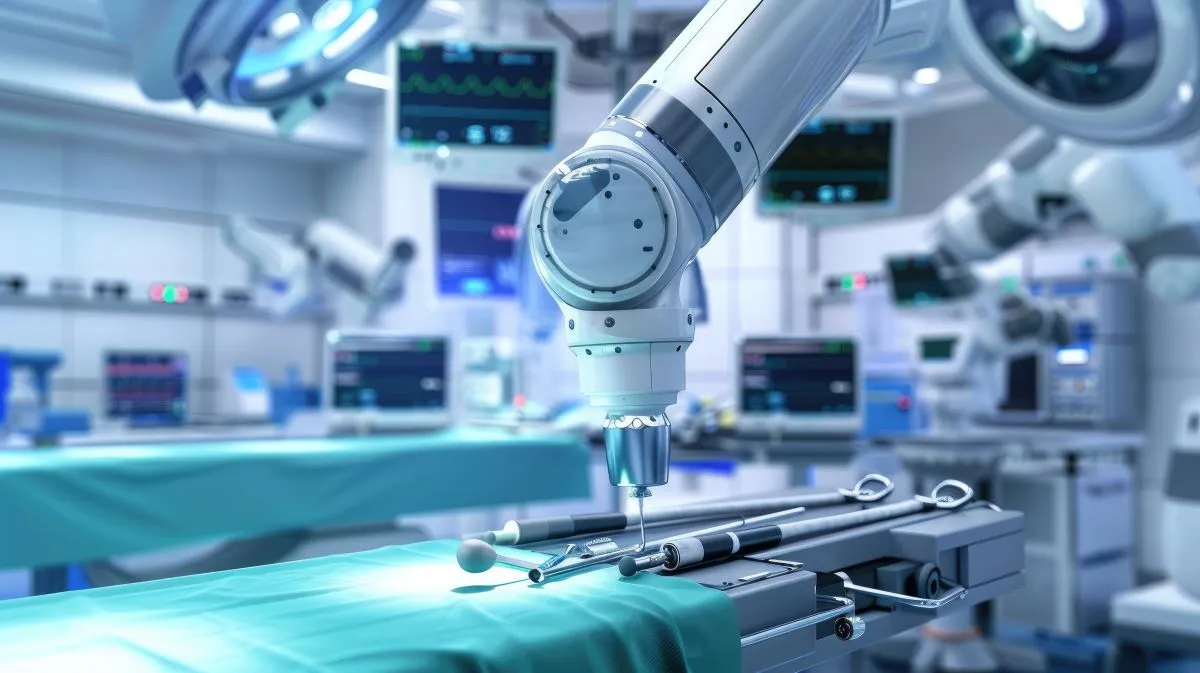
Interconnect copper and fine wire conductors are used in pulsed field ablation (PFA) catheters. The cardiac ablation technique is used to treat heart arrhythmias using very short, high-voltage electrical pulses to selectively destroy problematic heart tissue. Copper interconnect provides efficient energy transfer and thermal stability during rapid pulse delivery. Fine wire conductors balance high voltage capacity with flexibility to deliver pulses from the external generator to the electrodes at the tip, explains Soupir.
Medical equipment safety and compliance
Like other companies, Phillips Medisize focuses on implementing stringent processes and maintaining a robust Quality Management System (QMS) that meets regulatory standards as part of its approach to product development and delivery.
Its singular QMS is implemented across all of its production facilities to create consistency across process, tools and software platforms, as do on-site subject-matter experts in regulatory and quality support, claims Soupir. “Our interconnect examples PCI and IVL may ultimately reduce heart-related morbidity, improve functional status and extend survival, especially when performed in appropriate patients as part of a comprehensive cardiac care plan that includes medication, lifestyle modification and risk factor control. For example, one of the most common arrhythmias is atrial fibrillation. Our PFA may offer a more efficient, reproducible and tissue-selective option to limit damage to other parts of the body during the procedure,” says Soupir.
He notes that in the past five years, Phillips Medisize’s internal R&D team has conducted more than 50 human factors studies from human factors engineering and design for manufacturing to supply chain and sterilisation management,
Musculoskeletal disorders
Another medical equipment manufacturer, Japet Medical, based in Loos, near Lille, France, develops medical devices dedicated to the prevention and management of musculoskeletal disorders, with a particular focus on lower back conditions. Antoine Noel, co-founder, says its technology is based on a proprietary combination of lightweight robotics and technical textiles, designed to support movement without restricting it. In practical terms, it offers an active lumbar exoskeleton that assists movement and reduces mechanical strain on the lower back. Japet also offers lighter functional textile devices focused on posture support and everyday stabilisation.
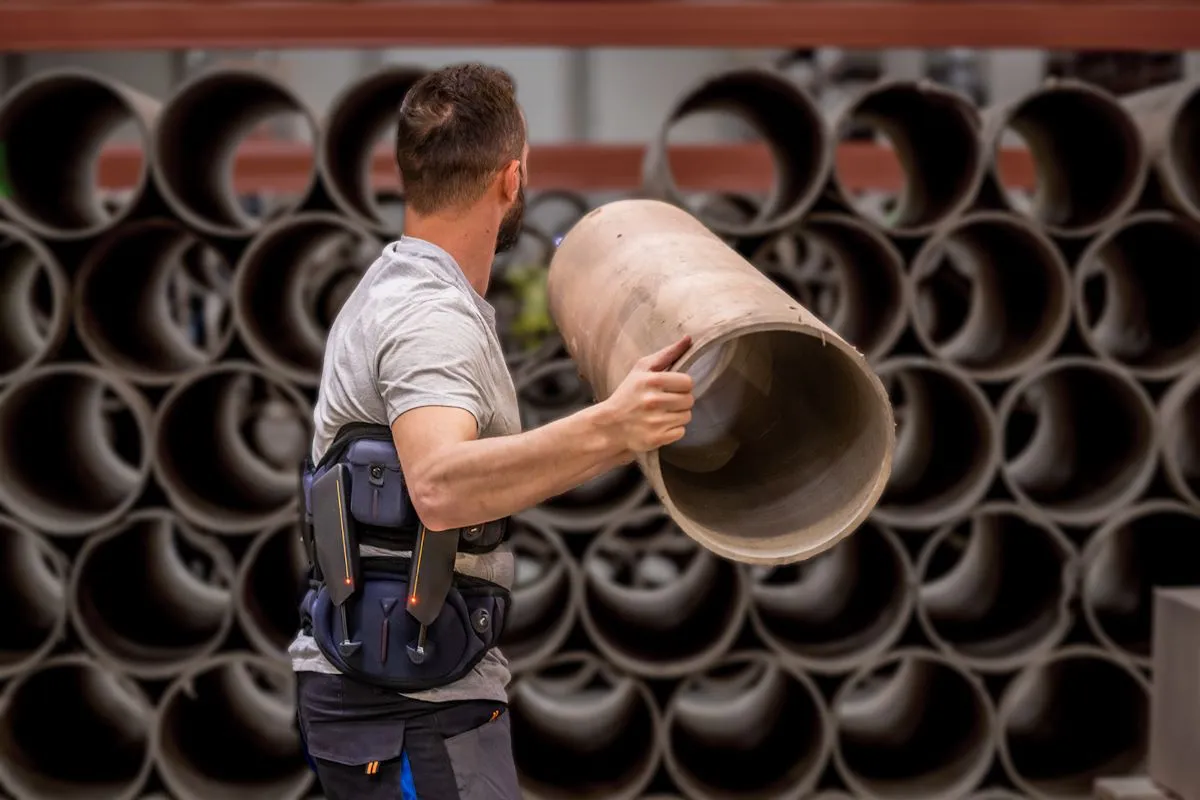
It claims its technology can reduce pressure on the lumbar area by up to 40% and significantly decrease pain. The objective is to relieve pain while preventing it from becoming chronic, and to help the patient remain active for as long as possible.
Noel explains that set-up takes only a few minutes, with very limited configuration required. Assistance levels are easy to adjust, and the modular textile system can adapt to different body shapes without making the fitting process more complex, says Noel.
Once the fitting process is mastered, it can reduce the amount of time needed per patient. Thus, Japet’s innovation has been designed to simplify care pathways rather than add complexity to them.
Certification
Japet devices are developed and managed as fully certified medical devices. They comply with the European Medical Device Regulation, MDR (EU 2017/745), are supported by an ISO 13485-certified quality management system, and, in the case of the active exoskeleton, fall under Class IIa medical devices. Beyond the regulatory framework itself, patient safety includes a systematic risk analysis in line with ISO 14971, clinical validation based on objective data such as lumbar pressure, pain reduction and actual usage and full traceability of components and batches. Rigorous technical documentation and a structured post-market surveillance process are essential. It treats safety not as a final checkpoint, but as a core principle throughout the product life cycle.
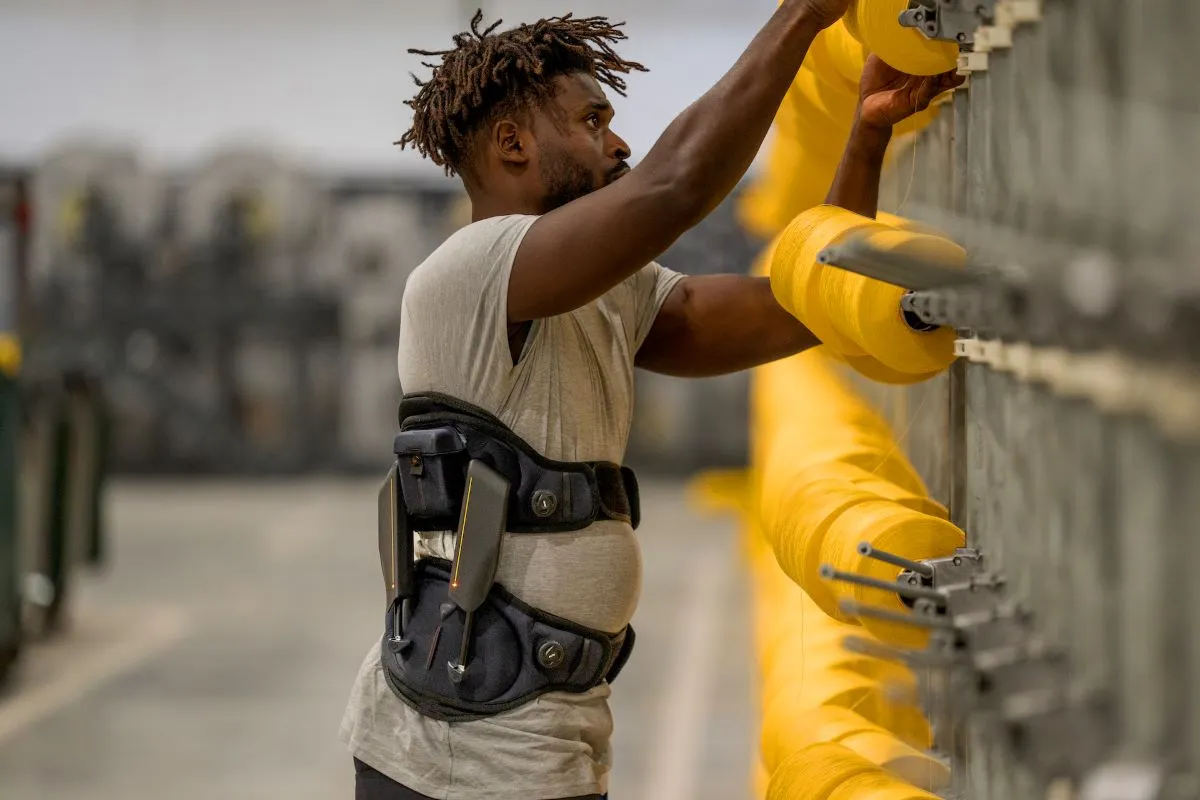
Operator safety is an integral part of Japet’s design approach, especially in healthcare and professional settings where technicians and caregivers are face repetitive or physically demanding tasks. This safety starts with the product design. Applied forces are limited, the mechanical systems are designed to be intrinsically safe, with no risk of over-assistance, and the product architecture avoids pinch points or other potentially hazardous areas. It also relies on device used, through standard fitting protocols, short operator training, and ergonomics specifically to reduce difficult or awkward handling.
By reducing the physical effort involved in assisting patients and by limiting certain high-risk movements, the device helps improve safety not only for the end user, but also for the professionals supporting them on a daily basis.
Trends
Noel points out that several underlying trends are emerging. The first is the progressive strengthening of the MDR framework, with increasingly demanding expectations regarding clinical data and post-market follow-up. “Manufacturers will need to demonstrate the long-term safety and effectiveness of their devices in an even more robust way.”
The second trend concerns the growing importance of usage data. As connected devices become more widespread, regulatory expectations around cybersecurity, traceability and data quality will continue to increase. There is a growing convergence between the medical device field and prevention. Authorities and payers are showing greater interest in hybrid solutions positioned at the crossroads of treatment, prevention and support for maintaining activity.
In this context, the ability to produce objective data, whether on usage, effectiveness or medico-economic return on investment, is becoming absolutely central, Noel says.
“Despite decades of ergonomic policies and automation efforts, musculoskeletal disorders remain largely under-addressed. This is particularly true for lower back pain, which continues to weigh heavily on care pathways, professional activity and overall quality of life,” says Noel.
With these advances and many more, medical equipment manufacturers continue to move forward in this growing market.
About The Author
Anthony Coia is a freelance writer
See: The design decisions behind high-voltage reliable technology