Blog
The life and death of sensors crept in at this Sensors Converge workshop

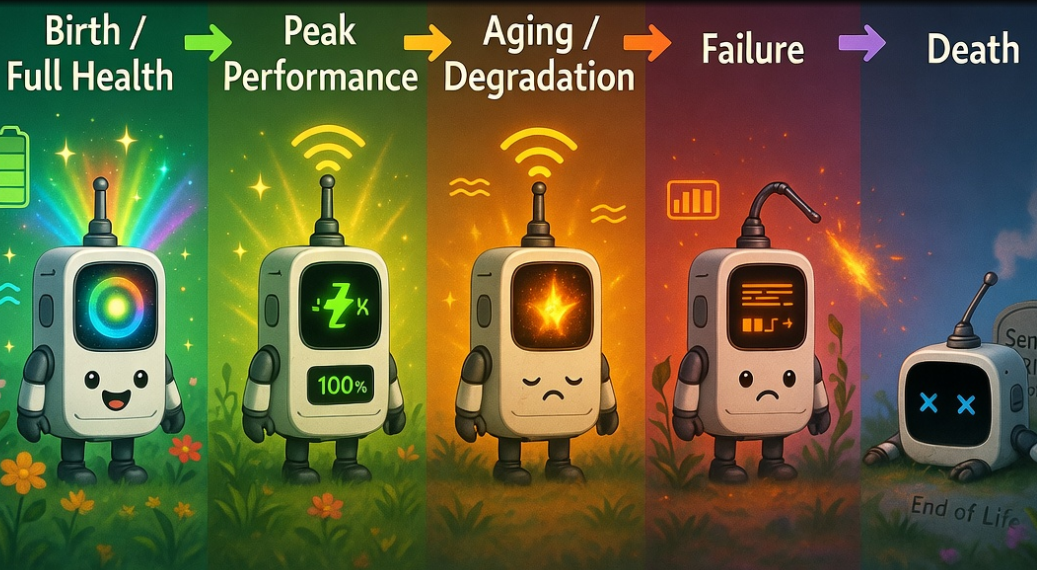
What happens when a sensor goes bad?
The question was raised during a half-day workshop session at Sensors Converge 2026 filled with guidelines and tips for embedded designers in Industrial IoT who work with both sensors and AI.
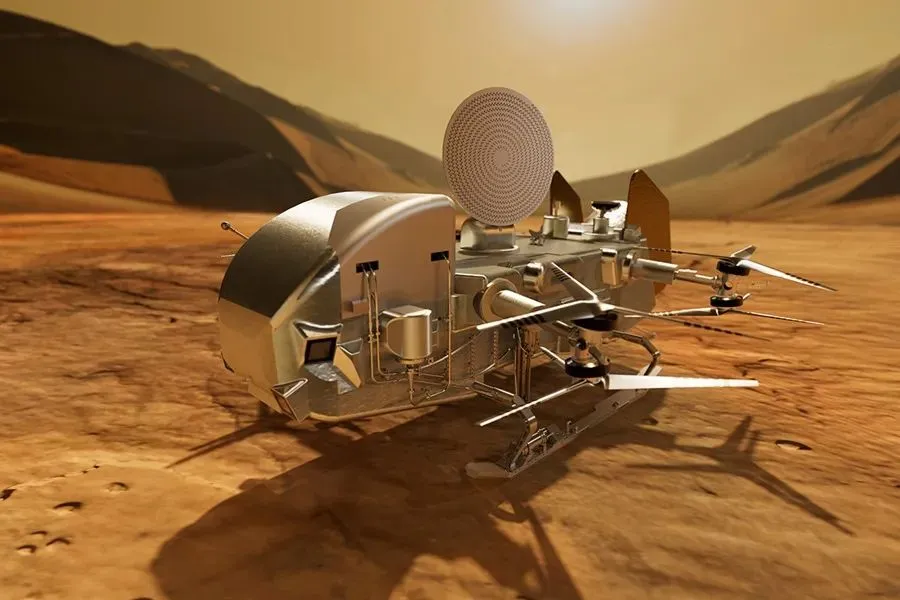
Not everything in such a workshop is devoted to solving a specific problem, and can sometimes enter the theoretical realm. For example, what happens if sensors on a rocket ship to the Moon don’t work right (as has happened in NASA missions). Good engineers know they should add in redundant sensors for critical systems. In some cases there might be thousands of sensors deployed to help guide a rocket’s path on a mission or dozens of sensors to detect a fire inside a capsule housing its mission crew.
One participant at the Tuesday workshop wanted to know if, perhaps, sensors for industrial systems that detect when a machine is going bad may need to have their own internal sensor, one that says: I’m a sensor that’s growing old and needs to be replaced soon. In other words, a sensor for a sensor.
In practice, engineers do watch data from sensors to detect long-term patterns that could indicate their decline over many years. AI may even be deployed to help track that decline, engineers attending the event pointed out.
But even so, sensors do sometimes fail, as happened with the two infamous Boeing 737 MAX crashes in 2019 and 2020 that killed 346 people. Investigators linked the accidents to a faulty flight control system called MCAS, designed to prevent stalling, which pushed the nose down in both planes based on erroneous sensor data.
The MAX crashes weren’t mentioned at the Sensors Converge workshop at all, but one participant asked the presenters if more work by the sensors industry is needed to monitor the health of various sensors themselves.
“If anybody says a sensor works forever, it’s questionable,” Jack Pieczaba, field application engineering manager for Sensirion told Fierce. “Sensors wear out all the time…Everything goes out at some point, including ourselves.”
Pieczaba asked the workshop presenters whether more should be done for sensors to monitor themselves and possess, perhaps, self-assessment or self-healing capabilities.
Martin Serrano, senior research fellow at Insight Centre for Data Analytics and a NIST Associate, said the concern Pieczaba raised might not be the top concern for sensors used in Industrial IoT.
Following his presentation at the workshop along with Shivakuma Mathapathi, CTO of Xtrans Solutions, Serrano told Fierce that engineers monitor sensors in various ways, including by projecting up front when they should be replaced and also by watching the data the sensor spits out over time.
A sensor’s lifetime should not be based on its years of service, but by how many days or hours it has been turned on for use, he said. But, he added, many variables can be involved in what causes wear and tear on a sensor.
In aerospace, one important variable might be deep space radiation or x-rays from solar flares, which is why so many sensors manufacturers develop radiation resilient IMUs and optical sensors, among other devices.