Blog
Intel’s Reference “Wildcat Lake” Laptop Mimics Apple MacBook Neo with Aluminium Body


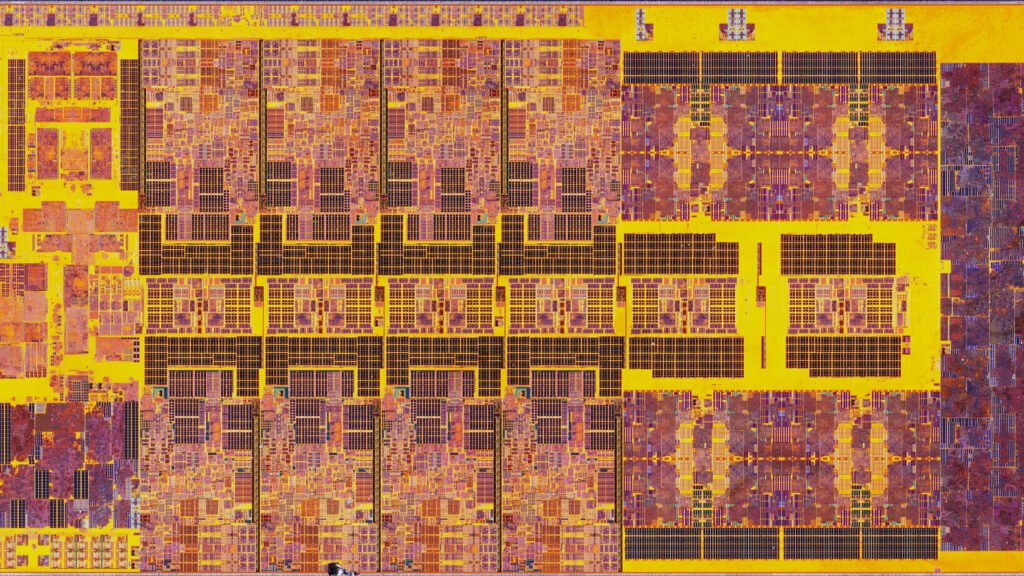
When Intel launched the “Wildcat Lake” Core 300 series of processors, the company aimed to satisfy value-oriented buyers seeking good CPU performance and basic GPU output in small form-factor commercial and edge AI PCs. The platform’s hybrid core configuration, combining two “Cougar Cove” P-cores with four LPE “Darkmont” cores, should provide sufficient CPU power for basic tasks in the entry-level segment. Especially when paired with the NPU 5, Xe display and media engine, and a GPU that includes up to two Xe3 cores, this SoC should handle tasks with ease, along with some very light entry-level gaming.
Finally, Intel is aggressively promoting the WCL launch as Apple has achieved tremendous success with the MacBook Neo, pushing the production of the first-generation model to 10 million units. It remains uncertain if Intel can achieve similar market penetration in the entry-level laptop segment, but WCL represents a test for Intel and its ecosystem partners to deliver good performance in a low-cost package. For more serious laptop needs, Intel points to “Panther Lake.”