Blog
Memory Makers Expect Shortages to End in Late 2028, Could Pause Expansion Plans

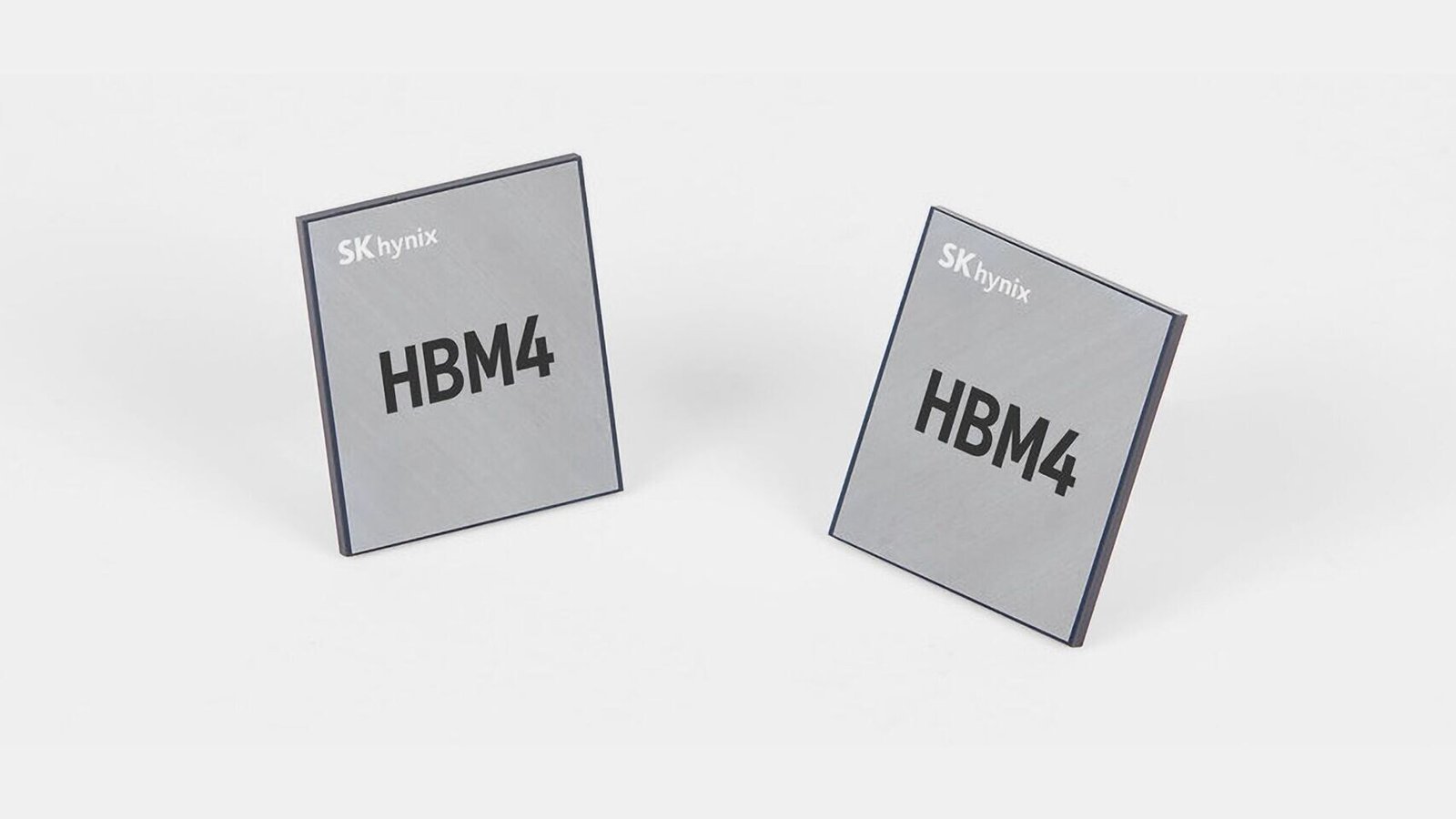
When the AI expansion began, memory manufacturers received massive orders from hyperscalers around the world, ordering DRAM supply months in advance. With no end in sight, SK Hynix, Micron, and Samsung started ordering more lithography tools from ASML to expand their wafer manufacturing capacity to meet their customers’ needs for more HBM, DDR, and GDDR memory. According to ASML, the company estimates that in 2027, based on current order information and demand, it will deliver 56 Low-NA EUV scanners. This includes seven units for Samsung and as many as 20 units for SK Hynix, specifically for memory and storage. According to South Korean media, SK Hynix plans to install 20 Low-NA EUV units in the next two years, all designed for HBM memory and advanced storage solutions. However, as the demand is expected to stay in line with previous expansion plans, this is stopping memory makers from considering taking the fab capacity expansion further than initially planned.
For example, if SK Hynix and Samsung submitted orders to ASML for a few Low-NA EUV units and they start high-volume production in new facilities, the supply chain balance shifts and memory prices will become stable again. However, with AI demand sitting at predictable levels, based on hyperscaler orders and their CapEx plans, adding more fab capacity and investing additional funds when the demand can be satisfied based on ongoing projects will not make financial sense. Memory makers have been in a difficult situation where adding additional expansion might cost them by having too much capacity at one point, as ordering machines, building fabs, and having high-volume production takes years to materialize. Hence, we will only enjoy the benefits of added expansion once SK Hynix, Samsung, and Micron realize their existing plans.