
Blog
The misrepresentation of “good taste” as a core design skill


“Good taste” might be one of the most misleading phrases in the world of UX design at the moment.
Continue reading on UX Collective »
Related Posts

Design experiments are more important than ever, and they don’t require a lab
If design experiments scare you? Take a page from design leaders and call them bets.
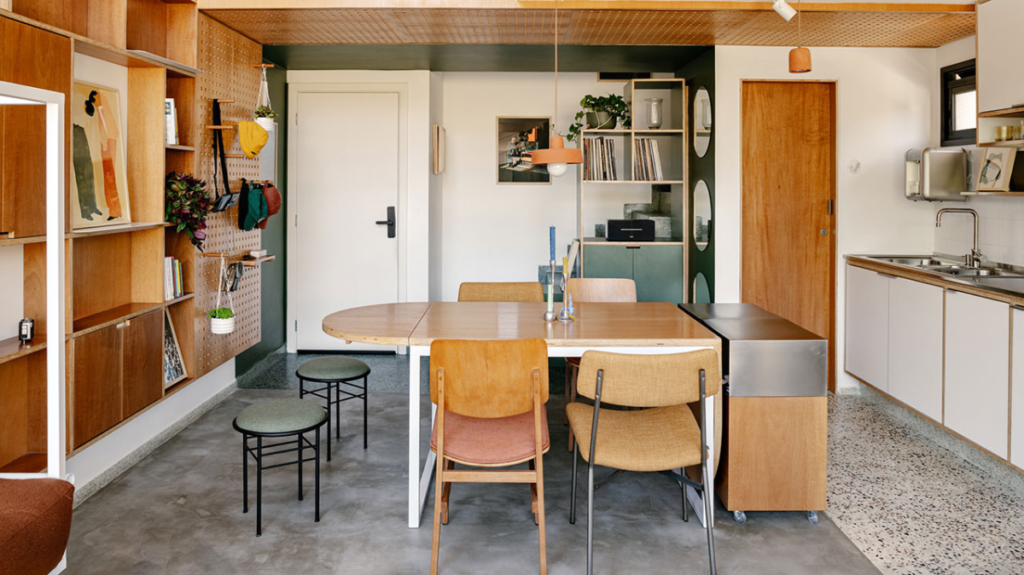
538-Square-Foot Apartment Uses Smart Design to Maximize Space
Small in size but clever in ideas, the 538-square-foot

Inside Pat Austin’s Evolving Portland Design Studio
Interior designers often use their studios as opportunities to express their fully formed aesth...
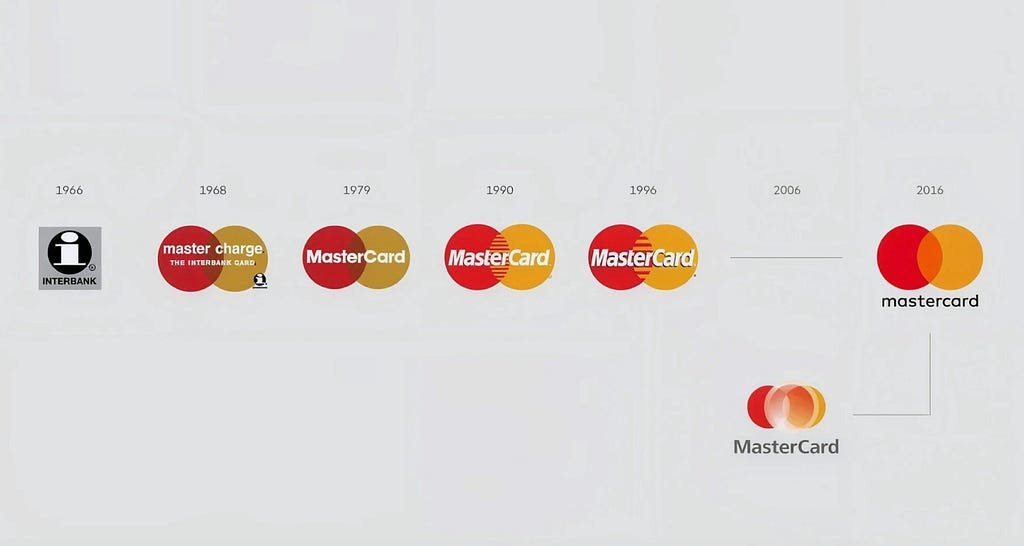
Delegating taste, orchestration layer, AI workflows
Weekly curated resources for designers — thinkers and makers.“We increasingly talk about taste as though it were something th...
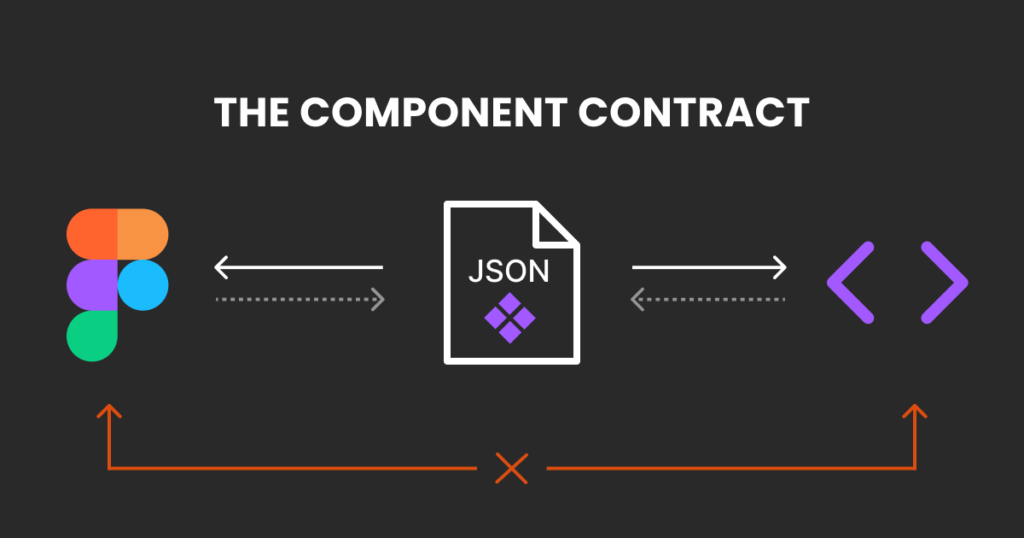
Design system contracts: the component lives in neither Figma nor code
One source of truth in the middle, two copies that stay honest, and why AI makes it urgent.
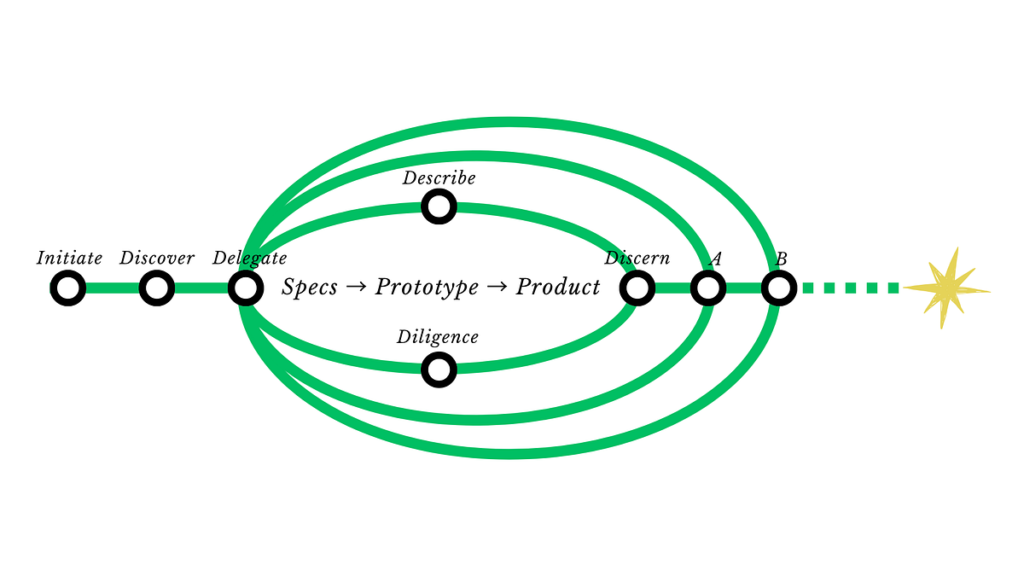
From vibe to specs: reclaiming the design process with SAID framework
How AI-native workflows and Git are replacing static handoffs with a continuous, spec-driven product engine

Building Up Embedded Software Skill Development
As next-generation embedded systems continue to become more intelligent, they’ve turned into software-dominated systems....

How Luxury Hospitality Brands Are Bringing Design to the Sea
The luxury hospitality industry is undergoing a massive sea change. In an unprecedented wave of...
Play and design: in favour of the novel digital experience
Design used to let us wander; modernity replaced that wandering with efficiency — now, every product decides where ...
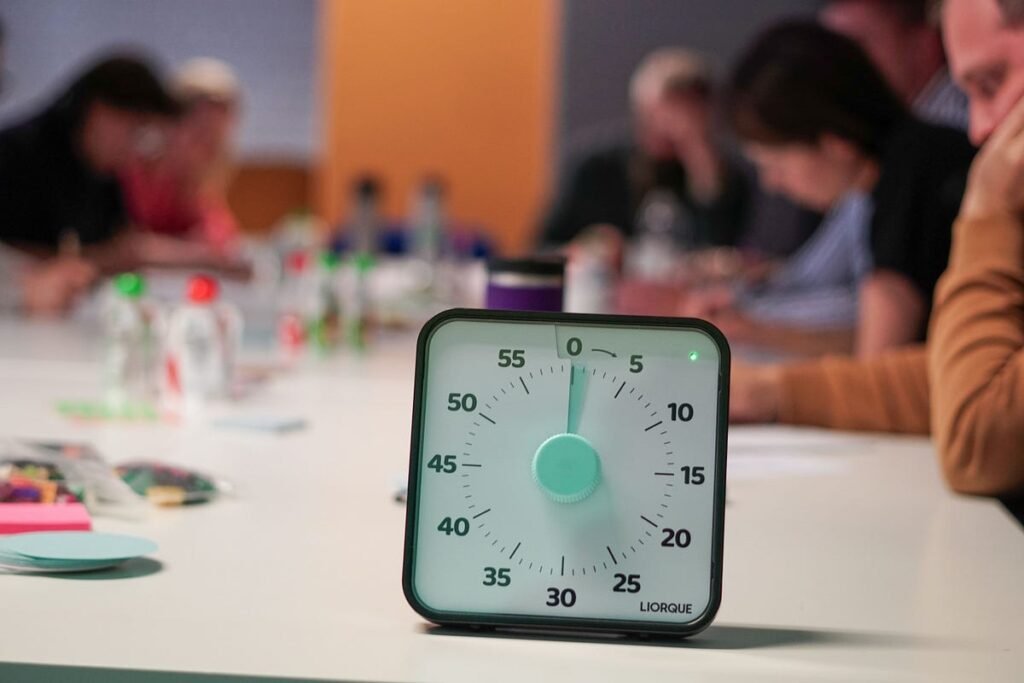
What 32 design leaders do when told to move faster | by Kai Wong | Jul, 2026
The Greeks knew the answer to this problem, 2300 years ago

When design becomes the organisation, and AI becomes the design
What happens when the entity that designs everything is itself being designed by machines?

ALL3D.AI CEO Amra Tareen on the Future of AI in Design
Barriers to Entry, a SANDOW Design Group podcast hosted by Andrew Lane of House of Digby, recen...