Blog
Steam Deck 2 Ditches Semi-Custom APU for Off-the-Shelf AMD Silicon, Eyes 2028 Launch

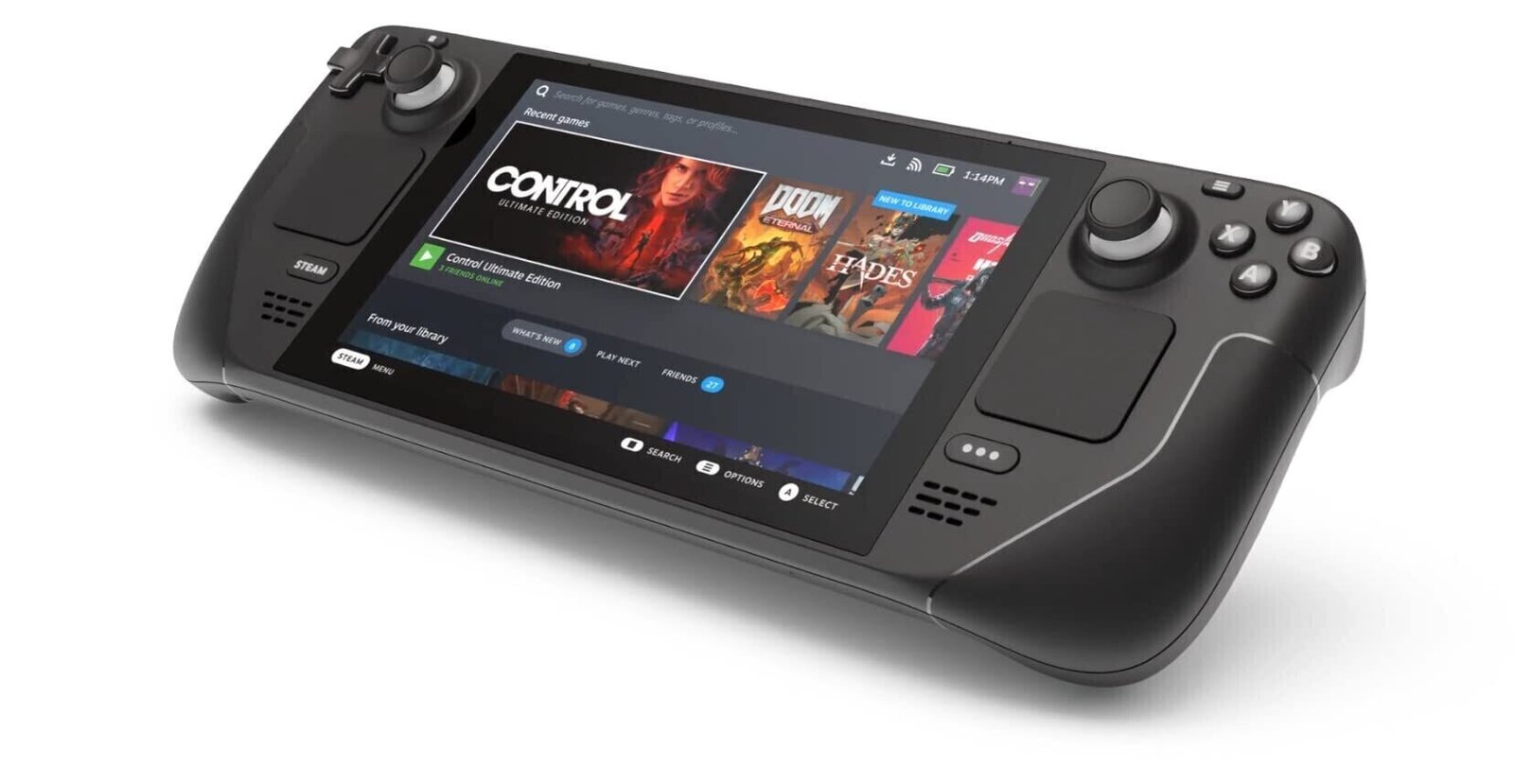
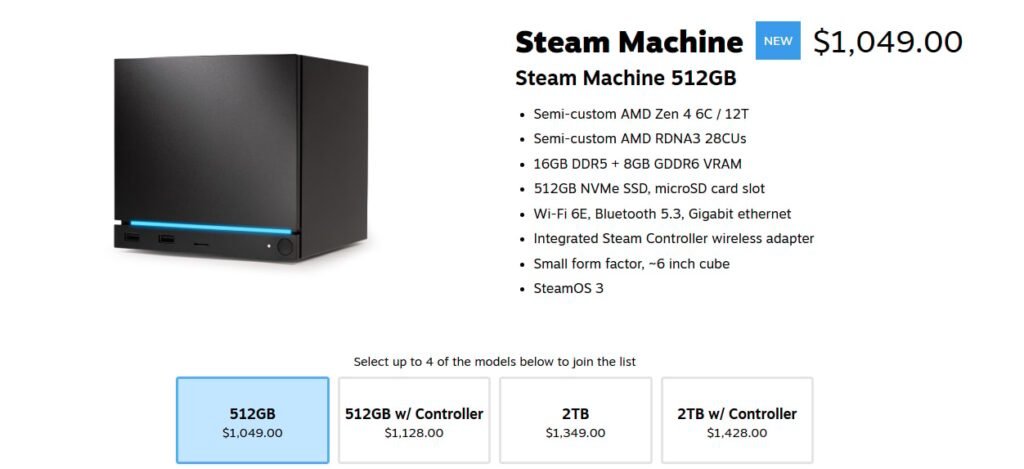
One of the most significant procurement shifts for the Steam Deck 2 is Valve’s choice of the computing base that will power the handheld. Instead of using a semi-custom AMD APU, Valve is expected to use an off-the-shelf AMD APU that won’t require any custom tuning from AMD to meet Valve’s needs. This is welcome news, as the latest Steam Machine showed that Valve’s reliance on a semi-custom APU solution made the hardware “obsolete” quickly while the rest of the industry advanced. With any semi-custom solution, stockpiling silicon and waiting for DRAM/NAND modules to arrive puts pressure on Valve to ship a product that is significantly underpowered or too expensive. However, with an off-the-shelf solution, Valve could use the best available option at the time of shipping and optimize SteamOS around it.
For example, Valve currently uses a 6 nm APU from AMD with four “Zen 2” cores with eight threads running in the 2.4-3.5 GHz range and eight RDNA 2 CUs clocked at 1.6 GHz. Back in 2022, this was a strong specification that contributed to the Steam Deck’s success in the handheld gaming market. However, if Valve were to use another semi-custom APU and face delays due to DRAM/NAND shortages, its specifications would lag behind what other companies could offer, especially as many OEMs like Lenovo, ASUS, and MSI have entered the handheld market since then. Instead, Valve will use what’s currently available and best, likely involving some SoC configuration with “Zen 6” cores and RDNA 5 GPU IP. AMD offers its APUs with configurable TDPs, so Valve could take any off-the-shelf APU and adjust its power envelope to fit the Steam Deck.